
Last updated November 4, 2026
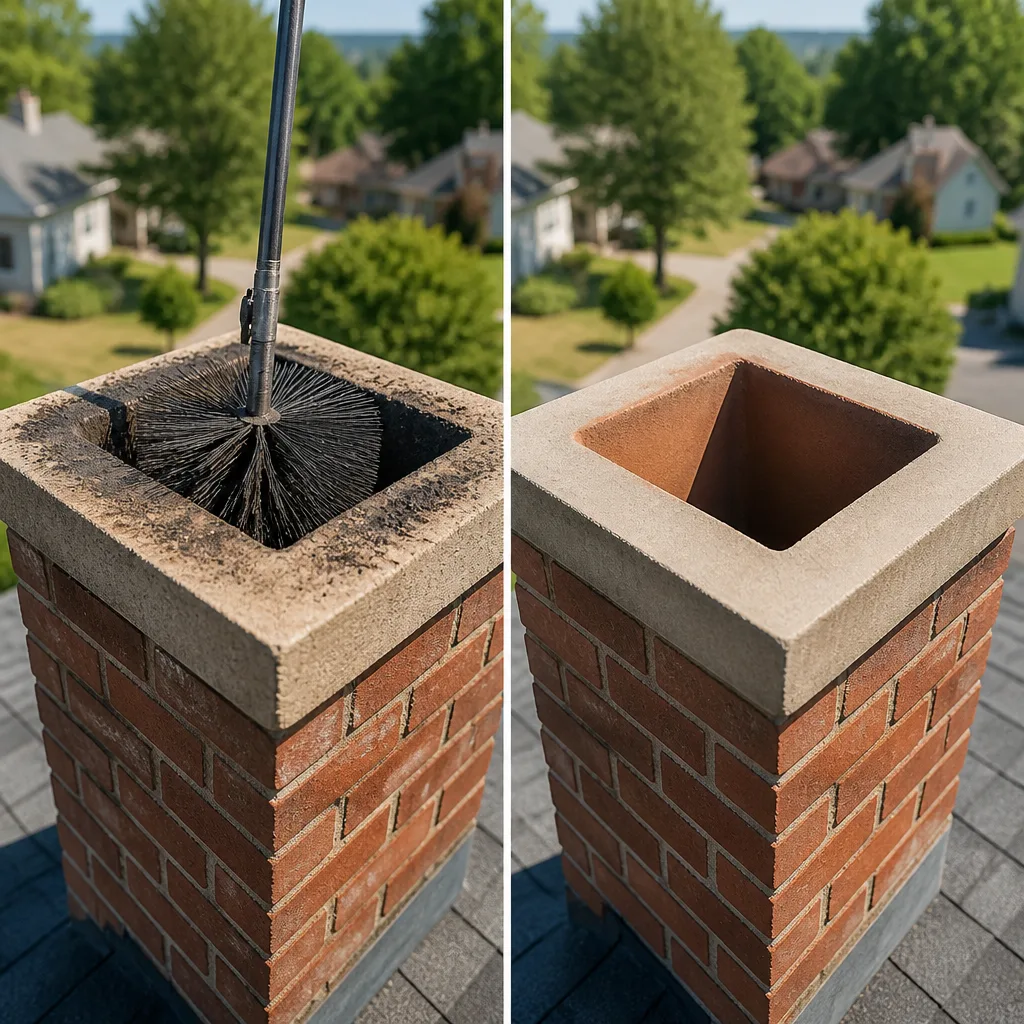 Sweep & inspection
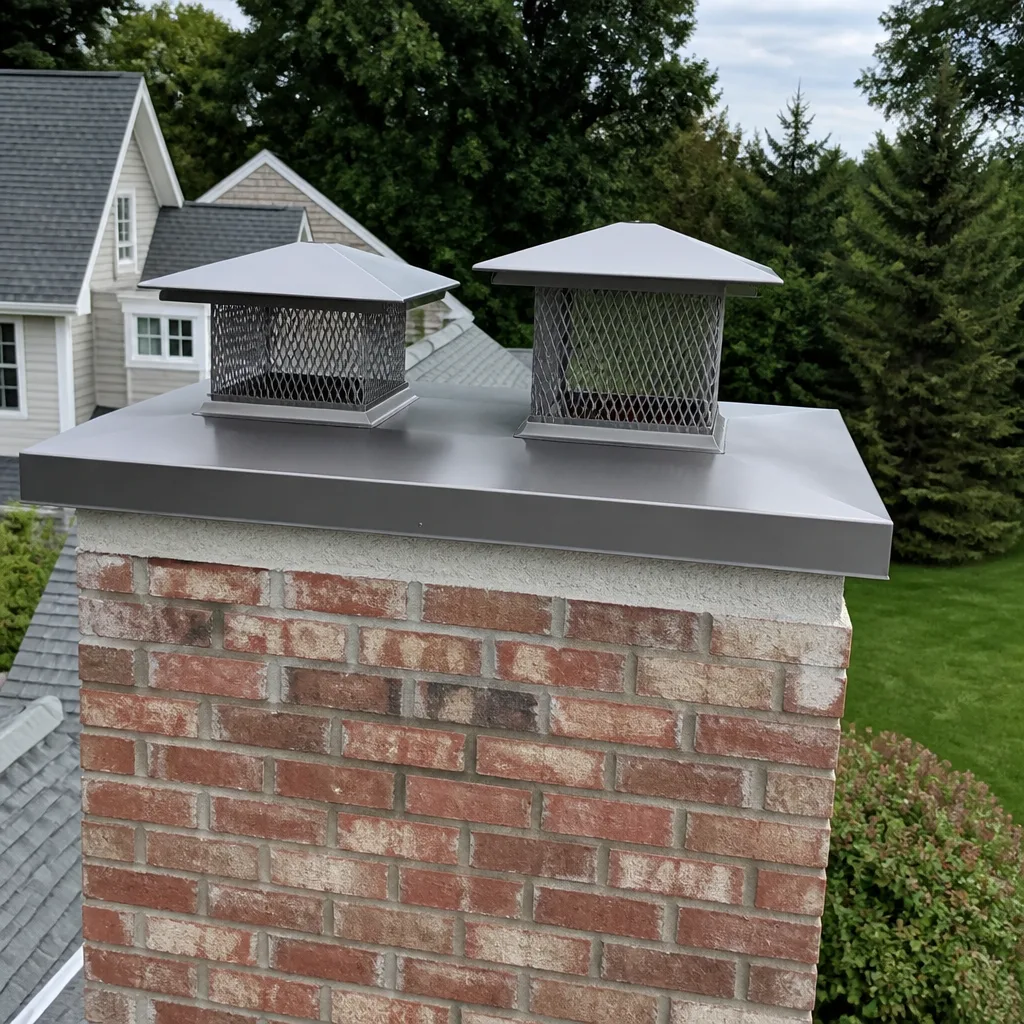 Caps & crowns
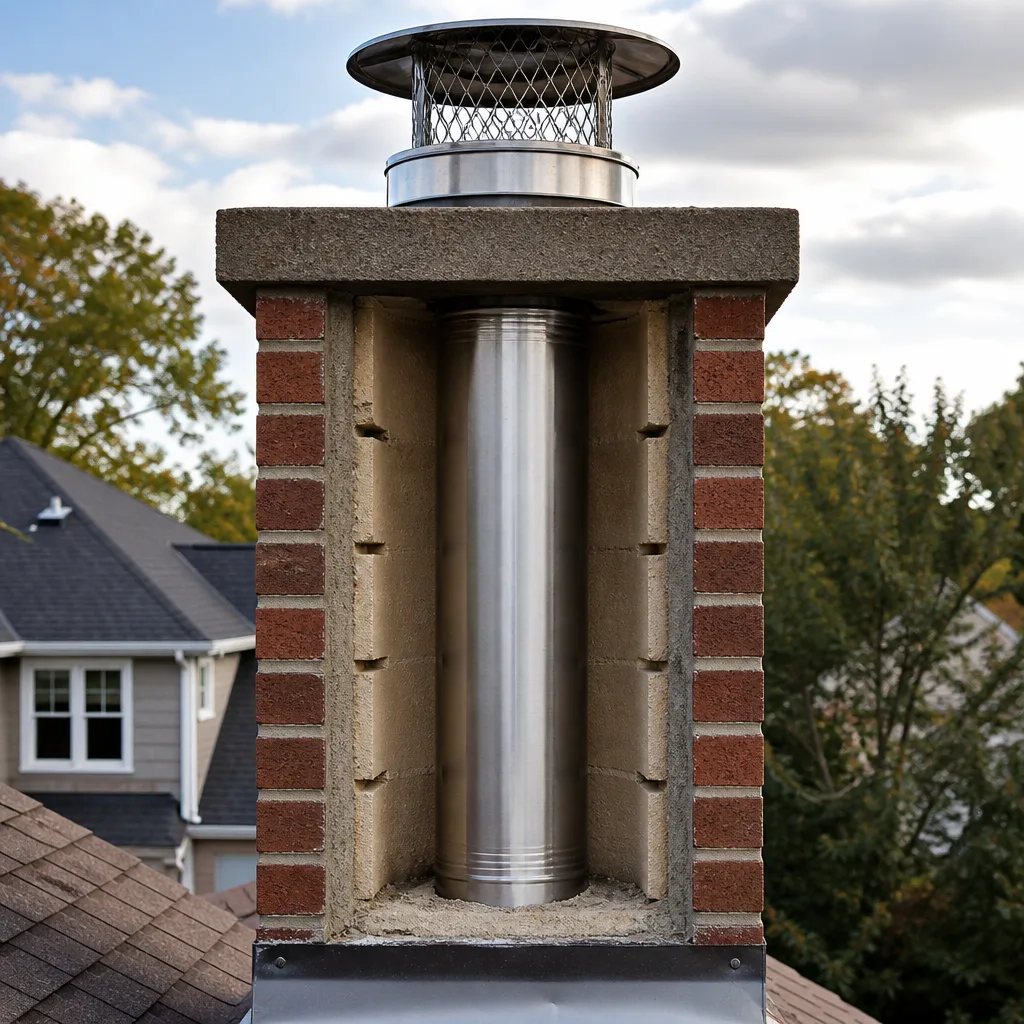 Flue relining
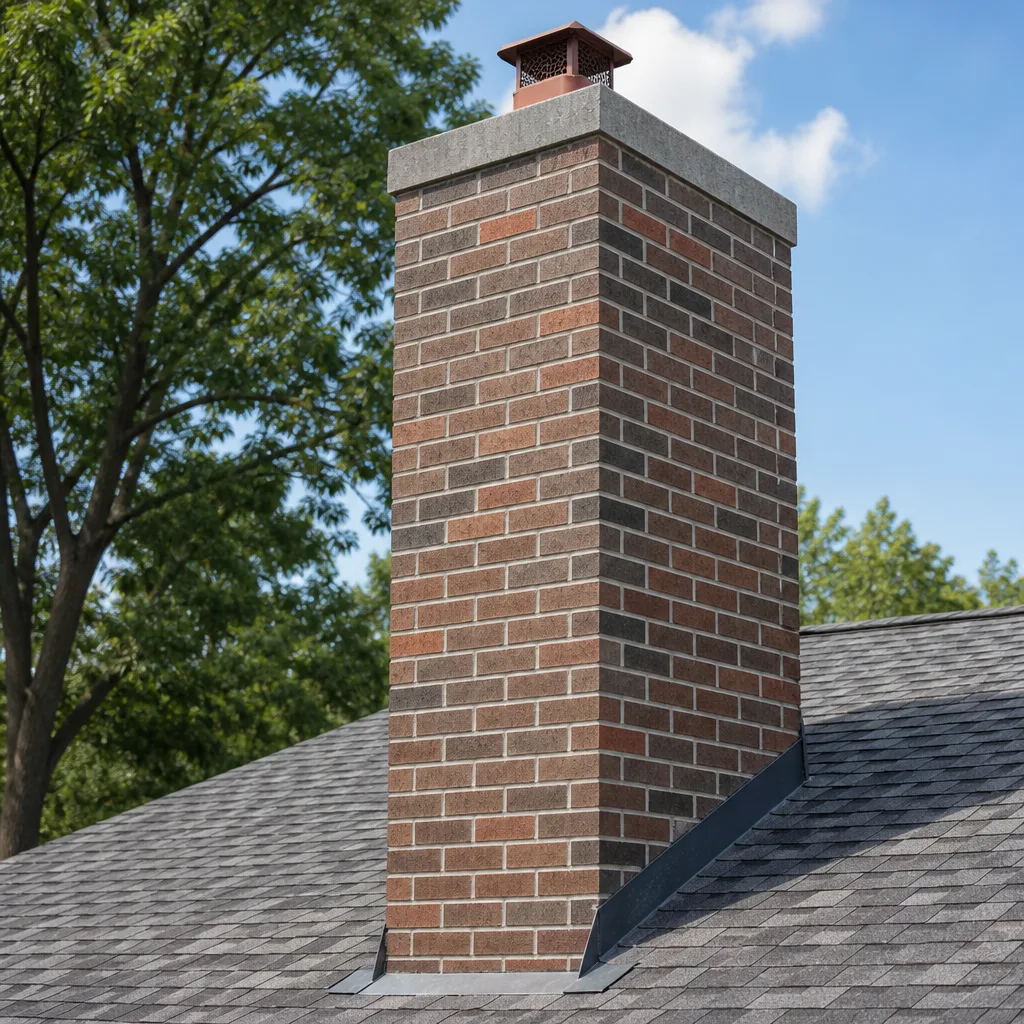 Masonry repair
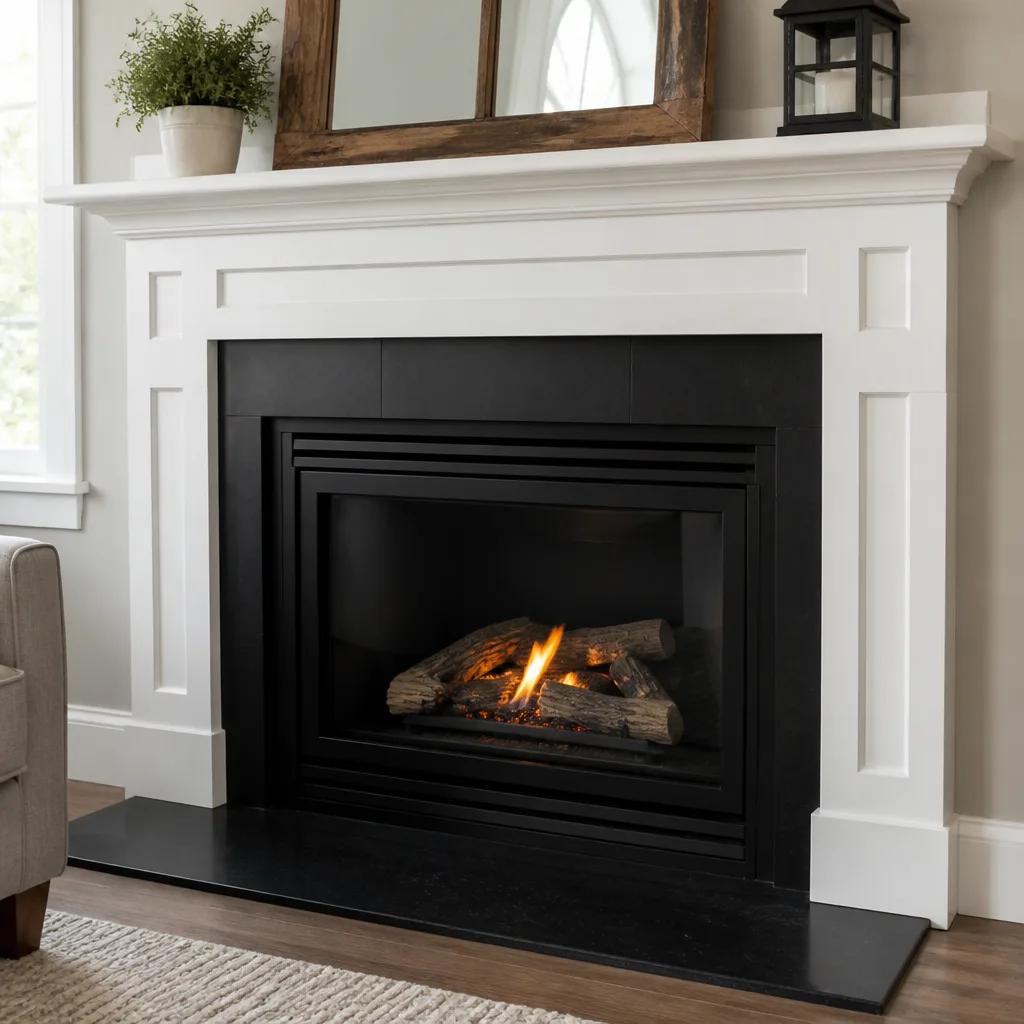 Gas fireplace service
Level 1 sweep and inspection to the NFPA 211 annual standard - flue, crown, cap, and flashing checked and photographed
Chimney sweep logs do not sweep chimneys. They loosen some creosote - which then falls where a brush and vacuum still have to collect it.
Chimney Cleaning Permits, Codes & Inspections in Fremont, CA: What You Need to Know
Most Fremont homeowners assume chimney sweeping is a permit-free task, and for the cleaning itself, they’re right. But the moment a sweep reveals a cracked flue liner, a failing crown, or firebox damage, you’ve crossed from maintenance into alteration territory. That’s where California Residential Code and Fremont’s local amendments kick in, and where unpermitted work can turn a routine fireplace repair into a real estate disclosure disaster. This guide draws the precise line between cleaning and work that needs a permit, explains which agencies hold jurisdiction, and shows you how to protect both your home and your insurance coverage.
Styles & brands we work with
- Sweep & inspection
- Caps & crowns
- Flue relining
- Masonry repair
- Gas fireplace service
Quick Answer
Routine chimney sweeping and inspection in Fremont does not require a permit. However, any repair that alters the chimney’s structure or venting system, including flue liner replacement, crown rebuilding, or firebox restoration, typically requires a building permit from the City of Fremont and must meet California Residential Code standards. Unpermitted liner work is one of the most common red flags that surfaces during Alameda County home sales.
Table of Contents
- Maintenance vs. Alteration: Where Fremont Draws the Line
- How the Fremont Permit Process Actually Works
- BAAQMD Regulation 6 and Your Chimney’s Condition
- What a Fremont Building Inspector Examines
- UL 1777 and UL 103: Why Your Liner’s Listing Matters
- How Unpermitted Chimney Work Gets Discovered During Home Sales
- Common Mistakes to Avoid
- When to Call a Professional
- Frequently Asked Questions
- The Bottom Line
Maintenance vs. Alteration: Where Fremont Draws the Line
California Residential Code (CRC) Section R1001 and its related chapters govern masonry and factory-built chimneys, and Fremont enforces these provisions with amendments specific to Alameda County. The code’s core distinction is simple: work that restores a system to its original condition is maintenance. Work that changes, replaces, or reconstructs components is alteration.
A chimney sweep that removes creosote, soot, and debris from the flue falls squarely under maintenance. So does a visual inspection, a camera scan of the flue, and minor adjustments to a damper. None of this requires a permit, and none of it changes how the system operates. You can schedule this work any time without involving the City of Fremont’s building division.
But here’s where it gets specific for Fremont homeowners:
- Flue liner replacement or relining is an alteration. Whether you’re installing a stainless steel liner or resurfacing with a ceramic product, this changes the venting system’s materials and performance characteristics. It requires a permit.
- Crown rebuilding is an alteration. Pouring a new concrete crown changes the chimney’s weather protection system and must meet current code for overhang, thickness, and material.
- Firebox restoration is an alteration. Repairing or rebuilding the firebox floor and walls with refractory mortar or new firebrick changes the combustion chamber’s structural and thermal properties.
- Masonry repointing of more than a few bricks can trigger permit review. Minor tuckpointing is typically cosmetic, but structural repointing that affects the chimney’s load-bearing capacity crosses into alteration.
- Installing a new cap, damper, or spark arrestor is generally maintenance unless the installation requires structural modification to the flue or crown.
In our experience, the most common surprise for Fremont homeowners comes when a sweep reveals a deteriorated liner during what was supposed to be a routine cleaning. The cleaning itself needs no permit. The liner replacement that follows absolutely does, and the clock starts on that decision the moment the camera footage confirms the damage.
How the Fremont Permit Process Actually Works
The City of Fremont’s Building and Safety Division processes chimney permits through the same system as other residential alterations. Here’s the step-by-step sequence as it applies to chimney work in Fremont:
- Contractor evaluates the chimney. A qualified chimney specialist inspects the system, documents the needed repair with photos or camera footage, and determines the scope. This evaluation includes measurements, material specifications, and an assessment of whether the existing structure can support the repair.
- Permit application submitted. The contractor files the permit application with Fremont’s Building and Safety Division. The application includes the repair scope, material specifications, and any manufacturer documentation for components like liners or caps.
- Plan review for structural work. If the repair involves structural elements, the building division reviews the plans against current California Residential Code. Simple liner replacements often sail through review. More complex work, like partial rebuilds, may need engineering input.
- Permit issued and fees paid. Once approved, the permit is issued and the homeowner or contractor pays the associated fees. These vary by project valuation and scope.
- Work performed. The repair proceeds according to the approved scope. The contractor follows the manufacturer’s installation requirements for any listed components.
- Inspection scheduled. The contractor calls for inspection at the appropriate stage. For liner work, this typically happens after installation but before the system is returned to use.
- Inspector signs off. A Fremont building inspector examines the work, verifies it matches the permit scope, and approves final sign-off. This sign-off is your documentation that the work is legal and code-compliant.
We always recommend the contractor manage this process start to finish. A specialist who does this work regularly in Fremont knows the local amendments, the inspection preferences, and the documentation the building division expects. A homeowner trying to self-permit a liner replacement will spend weeks learning what an experienced contractor already knows.
BAAQMD Regulation 6 and Your Chimney’s Condition
The Bay Area Air Quality Management District (BAAQMD) regulates wood-burning in Fremont and throughout the nine-county Bay Area under Regulation 6. On Spare the Air days, wood burning is prohibited unless it’s your only source of heat. These restrictions operate independently of building permits, but they interact with your chimney’s condition in ways most homeowners miss.
An old, smoky, inefficient fireplace isn’t just a nuisance. It’s an appliance producing emissions that BAAQMD regulates. If your chimney has a deteriorated liner, a partially blocked flue, or firebox damage, your fireplace burns dirtier and produces more particulate matter. Burn it on a Spare the Air day when you’re not supposed to, and you’re stacking separate violations: one for the burn itself, and the practical consequence of operating a defective appliance that’s emitting more than it should.
The practical takeaway for Fremont homeowners:
- Keep your chimney in clean, working order so your burns are as clean as possible.
- Check Spare the Air alerts before lighting a fire from November through February.
- A chimney that hasn’t been swept in years is more likely to produce visible smoke, which can draw attention and complaints.
- Gas fireplaces are not exempt from the same maintenance logic, though they’re subject to different emission rules.
Chimney condition and air quality compliance are linked. A properly swept and maintained system burns cleaner. A neglected system is a liability in multiple ways, and Fremont’s location in the BAAQMD jurisdiction means that liability has both air-quality and code dimensions.
What a Fremont Building Inspector Examines
When a Fremont building inspector arrives to review permitted chimney work, they’re not just glancing at the exterior. Here’s what the inspection typically covers, based on the California Residential Code sections that apply to chimneys and vents:
- Flue sizing and configuration. The inspector verifies the flue diameter matches the appliance it serves and that the liner system is installed without excessive offsets or turns that could impede draft.
- Clearance to combustibles. The inspector checks the distance between the chimney and any combustible framing, insulation, or finishes. This is a frequent point of failure in older Fremont homes where renovations may have reduced clearances.
- Liner continuity. The inspector confirms the liner runs continuously from the appliance to the termination point, with no gaps, separations, or unlisted materials in the path.
- Support and anchoring. The inspector checks that the liner or masonry repair is properly supported and anchored, especially at the top of the flue and at any offset points.
- Termination and cap. The inspector verifies the chimney terminates at the required height above the roofline and that the cap or spark arrestor meets current standards.
- Combustion air. For tight homes, the inspector may check that the fireplace has adequate makeup air to function without backdrafting.
Not every inspection covers every item. The scope depends on what was permitted. But a good contractor anticipates all of these and builds them into the work plan, so the inspection is a confirmation rather than a surprise. We’ve found that when the contractor documents everything with photos and follows manufacturer installation instructions precisely, the Fremont inspection process is straightforward.
Which contractors can pull permits? In Fremont, the contractor performing the work typically holds the permit. For chimney work, that means a licensed contractor with the appropriate classification. A homeowner can theoretically pull an owner-builder permit, but the practical realities of chimney repair make this a poor option for most Fremont residents. The contractor’s license, insurance, and familiarity with local code requirements are part of what you’re paying for.
UL 1777 and UL 103: Why Your Liner’s Listing Matters
When a Fremont homeowner is told they need a new liner, the conversation should include specific standards. Not all liners are created equal, and the listing matters for code compliance and insurance claims.
UL 1777 applies to chimney lining systems installed into existing masonry chimneys. A liner that’s UL 1777 listed has been tested for installation into an existing flue, including the support systems, terminations, and the materials used. This matters because most relining work in Fremont involves existing masonry chimneys. Installing a UL 1777 listed system gives the inspector a clear code path to sign off on.
UL 103 applies to factory-built chimney systems installed as complete assemblies. These are typically prefabricated chimneys rather than masonry. If a Fremont home has a factory-built fireplace and chimney, any replacement components need to match the original manufacturer’s listing or meet UL 103 requirements for that application.
Why this matters for insurance: if you have a chimney fire and file a claim, your insurer will ask what kind of liner was installed and whether it was listed for the application. A properly listed, professionally installed liner is defensible. A mystery liner installed by someone who couldn’t produce documentation is a problem. We use DuraFlex flexible liner systems for relining work because they carry the UL 1777 listing and represent the kind of professional-grade material that stands up to inspection and insurance scrutiny.
For ceramic resurfacing, HeatShield operates as a recognized system for restoring deteriorated flues without full liner replacement. The key here is the system approach: these materials are installed according to a tested, documented procedure, not improvised patching. That’s the difference between a repair that passes inspection and one that gets flagged.
How Unpermitted Chimney Work Gets Discovered During Home Sales
Alameda County’s real estate market is one of the most transaction-heavy in the Bay Area, and Fremont homes change hands constantly. Unpermitted chimney work surfaces during the disclosure and inspection process in several predictable ways.
Seller disclosure forms. California law requires sellers to disclose known material facts about the property. If a previous owner replaced a liner without a permit, and the current owner knows about it, that’s a disclosure obligation. If the current owner doesn’t know, the next discovery path applies.
Home inspection report. A good home inspector checks the accessible parts of the chimney and may flag signs of recent work. New mortar, a different liner material, or a fresh cap that doesn’t match the home’s age can all trigger questions about permits. The buyer then asks the seller to produce documentation.
Permit history review. Buyers and their agents routinely pull the City of Fremont’s permit history for a property. Chimney work that should have been permitted but wasn’t shows up as a gap. If the fireplace was clearly serviced but no permit exists for liner work, that’s a negotiating issue and sometimes a deal killer.
Appraisal and insurance. Some buyers’ lenders or insurers will flag unpermitted alterations. A chimney liner isn’t usually a lending issue the way an unpermitted room addition would be, but it can affect insurability, which in turn affects the loan.
Remediation costs in Alameda County vary widely. Getting a retroactive permit for work that was done without one can mean opening up walls or the chimney itself to verify clearances and materials. If the work doesn’t meet current code, the homeowner may be forced to redo it. The cost of doing it right the first time, with a permit, is almost always less than the cost of remediation after discovery.
We always tell Fremont homeowners the same thing: if you’re selling a house with a fireplace, and you’ve had liner work done in the past, find your paperwork before you list. If you can’t find it, get the chimney inspected and be ready to address any questions the buyer raises. It’s better to know before the inspection than to learn during escrow.
Common Mistakes to Avoid
- Assuming all liner work is permit-free. You might think a liner replacement is just good maintenance, but Fremont’s building division treats it as an alteration. Any contractor who insists no permit is needed for structural flue work is not doing you a favor.
- Hiring based on price alone. A cheap sweep or repair that bypasses permits saves money now and creates a liability later. The cost of retroactive compliance in Alameda County always exceeds the cost of doing it right the first time.
- Neglecting the relationship between chimney condition and air quality rules. Fremont residents live under BAAQMD Regulation 6. A dirty, deteriorating chimney produces dirtier smoke, and if you burn on a Spare the Air day, you’re inviting scrutiny.
- Choosing a liner based on brand name without checking the listing. The material matters, but the listing matters more. A UL 1777 listed liner, properly installed, is defensible. An unlisted liner creates code and insurance issues regardless of the brand.
- Ignoring camera inspection evidence. Some Fremont homeowners have been told they needed thousands of dollars in work based on nothing more than a visual inspection. You should see the camera footage yourself before approving major repairs. At Chimney Cleaning Fremont, we never recommend liner or masonry work without showing you what the camera sees.
- Forgetting the dryer vent. This guide is about chimneys, but most Fremont homes have both a fireplace and a dryer vent, and both are fire-safety ventilation systems. Neglecting either one leaves a gap in your home’s safety picture.
When to Call a Professional
Call a chimney professional when you see flaking mortar in the firebox, when your fireplace smells damp or smoky even when it’s not in use, or when you can’t remember the last time the flue was swept. Call if your home inspector flagged anything chimney-related during a purchase, or if you’re preparing to sell and want to get ahead of disclosure questions. Call if you’ve lived in your Fremont home for a year or more and have never had the chimney or dryer vent cleaning performed. Chimney Cleaning Fremont offers free estimates in Fremont. Call (844) 980-4364. We answer 24/7. Fast dispatch from 7am to 7pm, Sunday through Friday.
Frequently Asked Questions
No. Routine sweeping and inspection are maintenance activities that do not require a permit from the City of Fremont. You can schedule a Chimney Cleaning Fremont service any time without involving the building division.
Yes. Flue liner replacement or relining is classified as an alteration under California Residential Code, and Fremont enforces this with local amendments. Your contractor should pull the permit before work begins. Call (844) 980-4364 if you’re unsure whether your repair needs one. Estimates are free.
A Fremont building inspector verifies flue sizing, clearance to combustibles, liner continuity, support and anchoring, termination height, and cap installation. The inspection confirms the work matches the approved permit scope and meets current code. A professional contractor prepares for all of these checkpoints in advance.
If you have a chimney fire and file an insurance claim, your insurer will ask what kind of liner was installed and whether it was listed for the application. A UL 1777 listed liner, properly installed with a permit, gives you a defensible position. An unlisted liner creates grounds for claim denial.
Unpermitted chimney work is typically discovered through seller disclosure forms, the buyer’s home inspection, a permit history review pulled from the City of Fremont, or an insurance underwriting review. Any of these can derail a sale in Alameda County, where buyers are sophisticated about disclosure obligations.
The general standard is once per year for a wood-burning fireplace, and we recommend the same annual interval for Fremont homes. Mild winters mean shorter burn seasons, but creosote accumulates and liner deterioration progresses regardless of how often you burn. A yearly sweep and inspection catches both. Call (844) 980-4364 to schedule.
The Bottom Line
Chimney sweeping in Fremont is a permit-free maintenance task. Chimney repair is a code-regulated alteration, and the line between the two is where unprotected homeowners get into trouble. Know which work requires a permit, use a contractor who manages the process properly, install listed materials from recognized brands like DuraFlex and HeatShield, and keep your paperwork. The cost of doing it right is predictable. The cost of doing it wrong shows up later, usually during a home sale, when there’s no time to fix it cheaply.
Written by the team at Chimney Cleaning Fremont, serving Fremont since 2011.
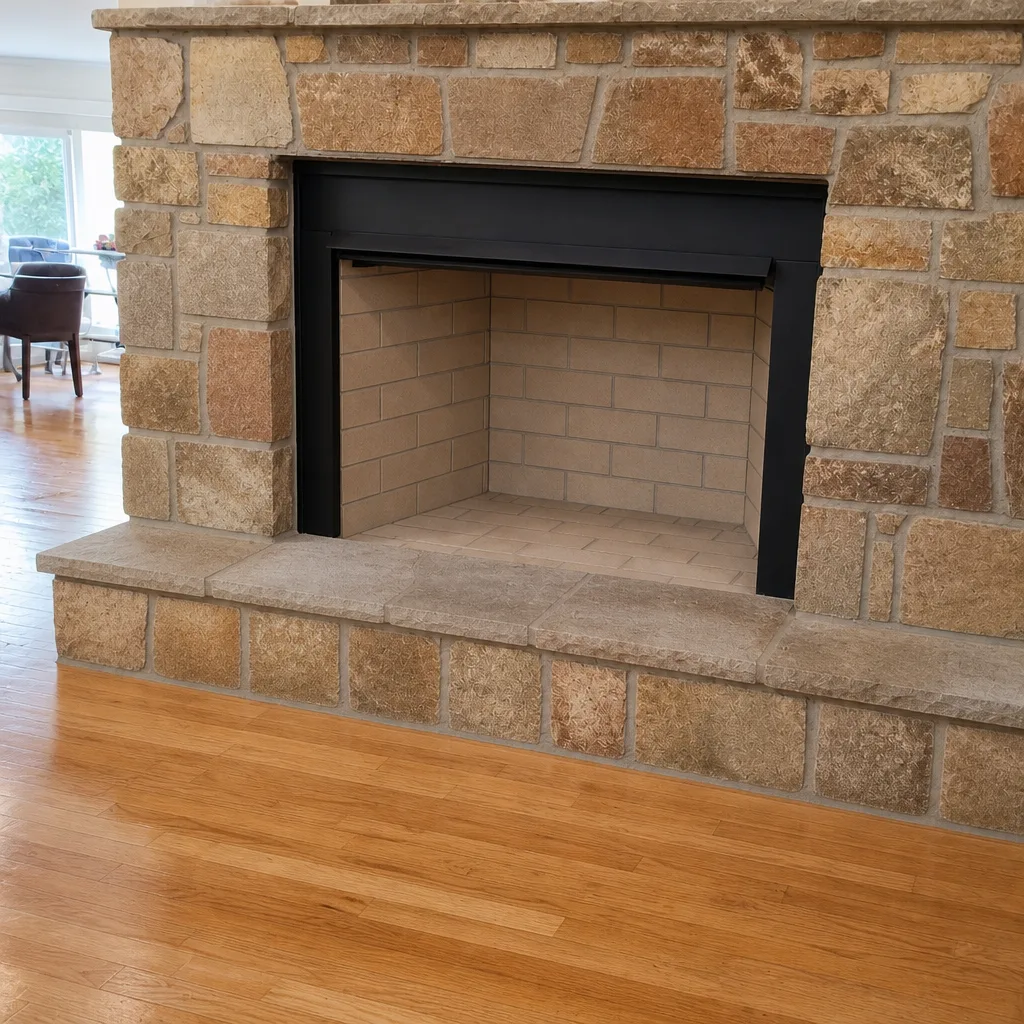
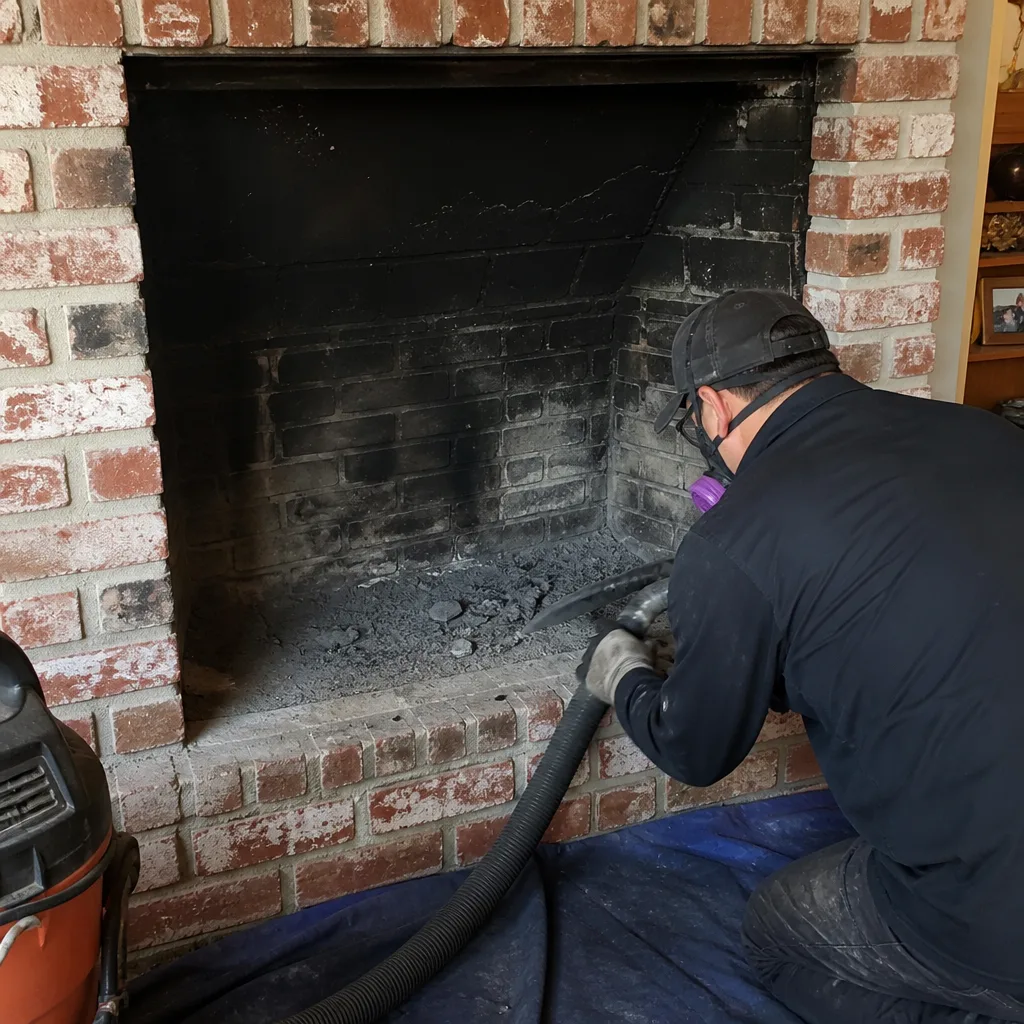
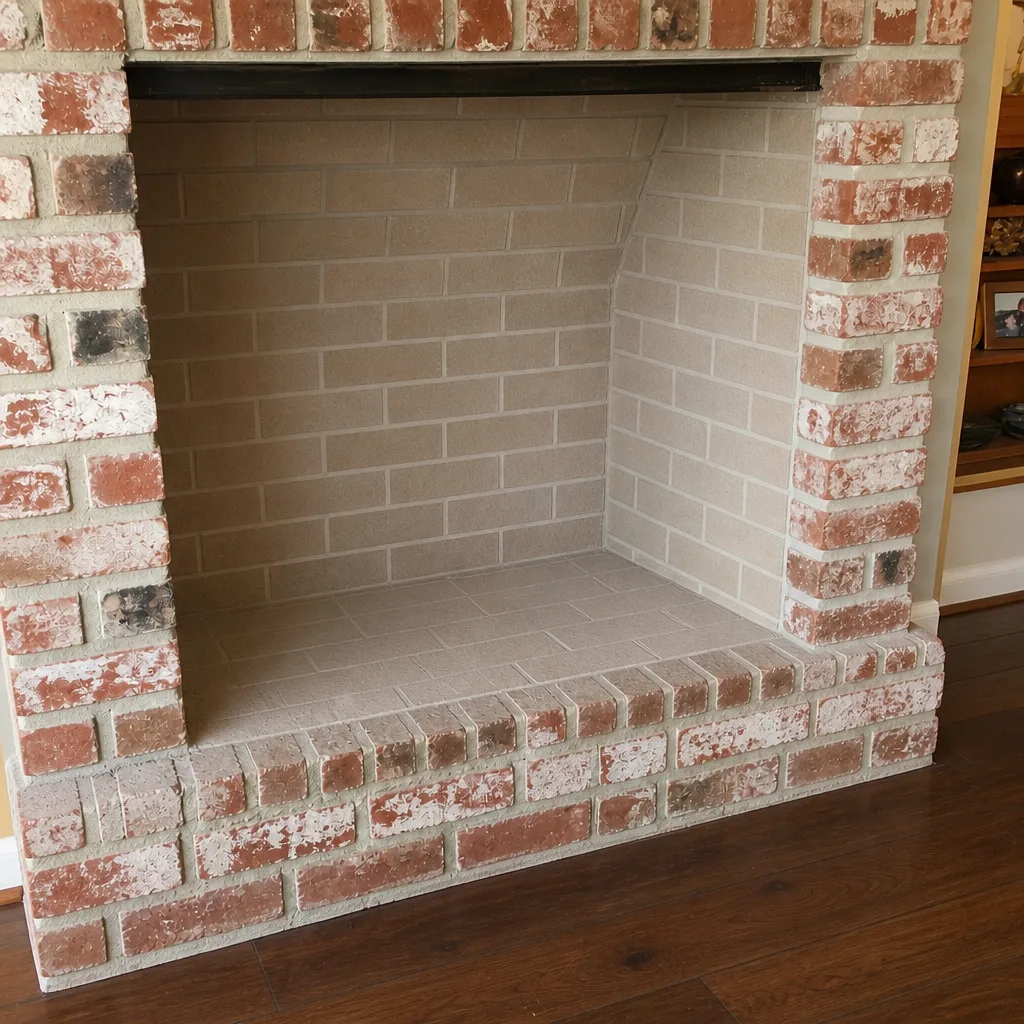
See the difference
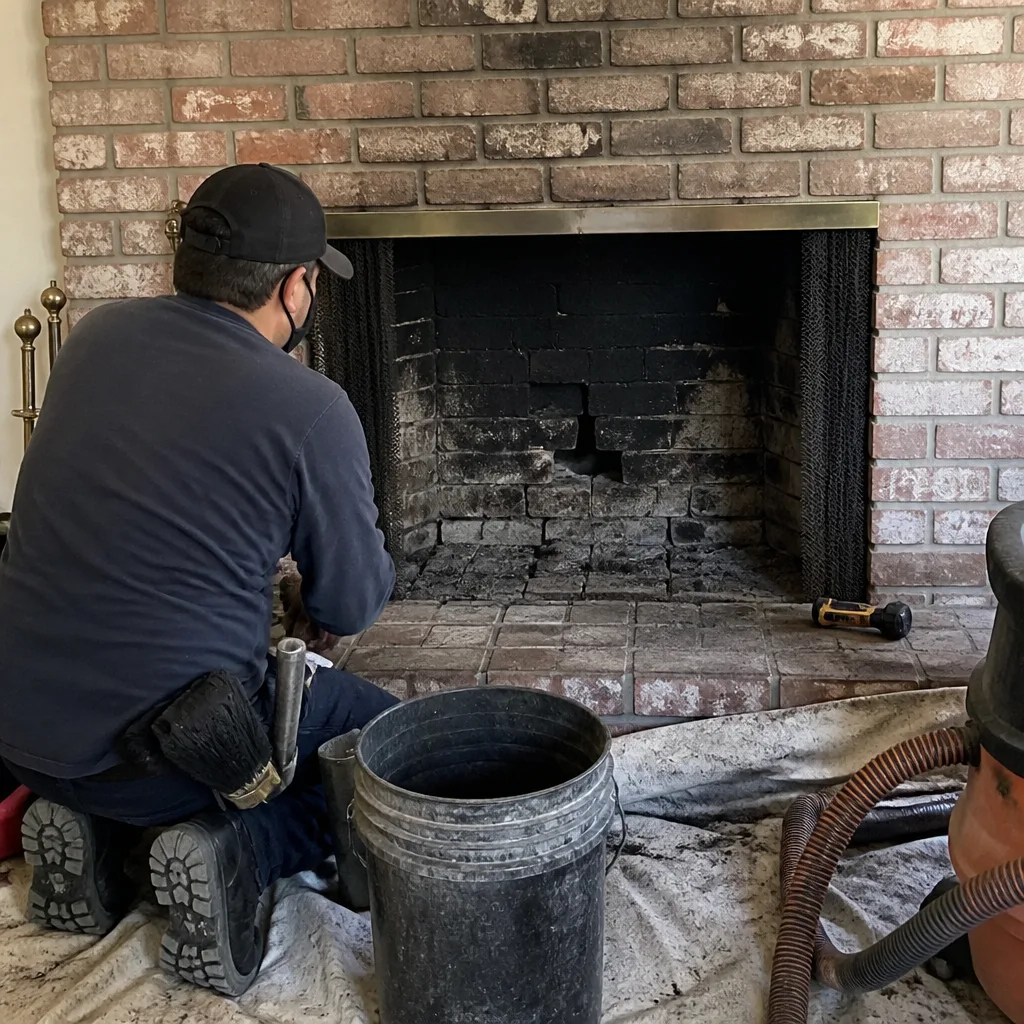 Before
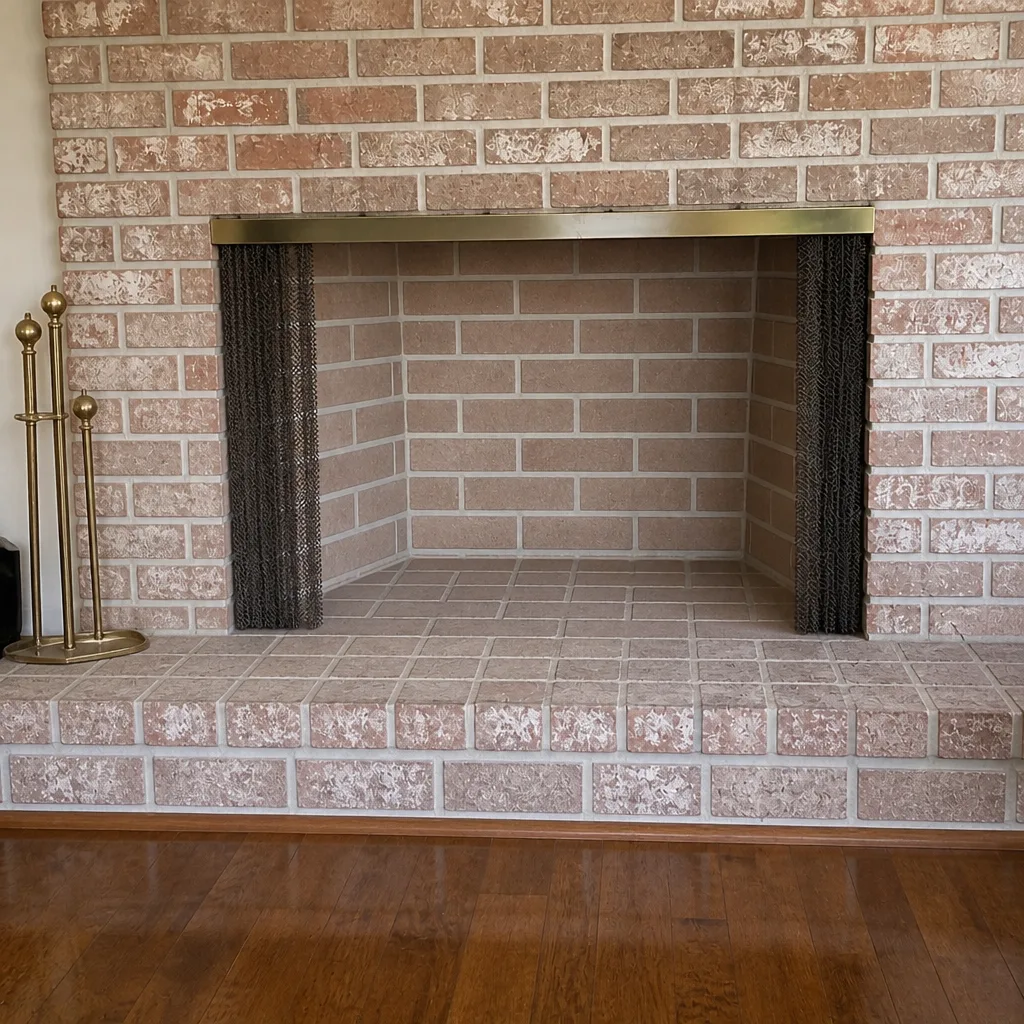 After
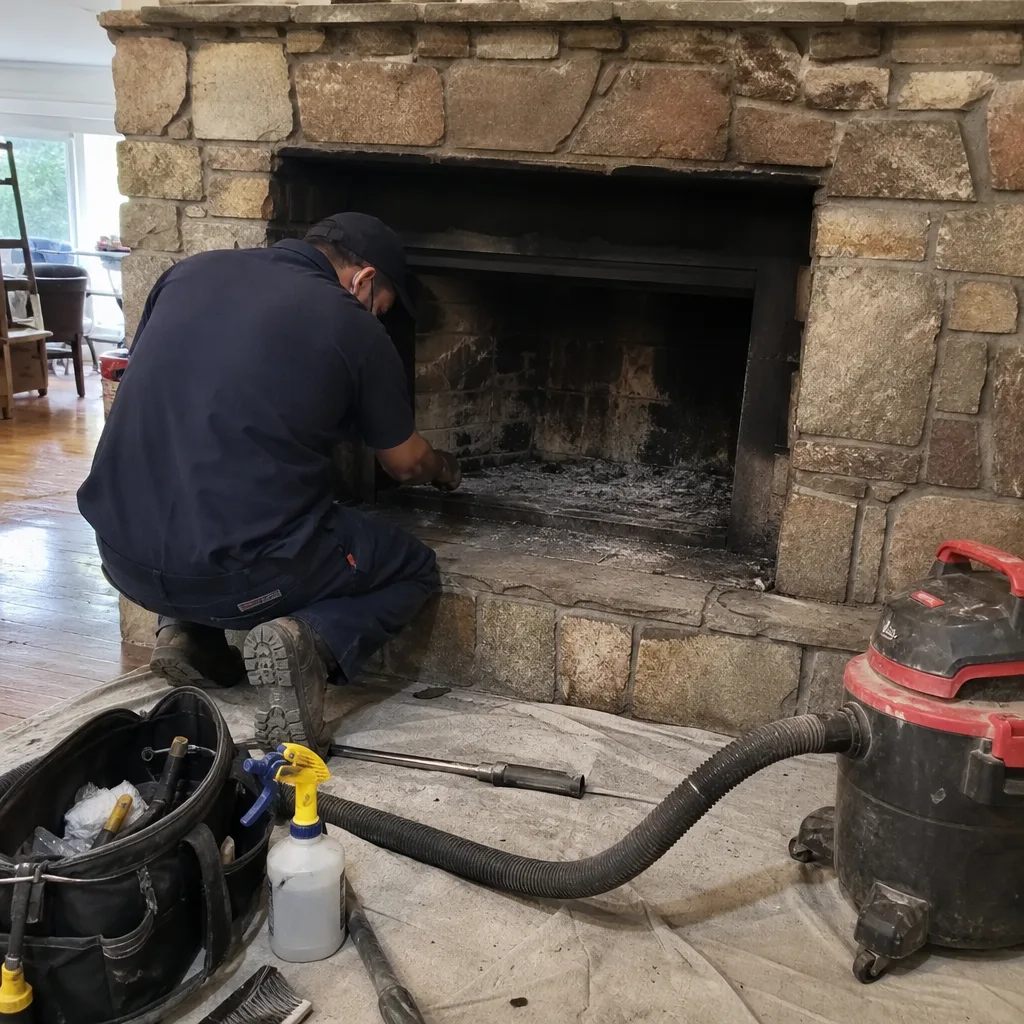 Before
 After
 Before
 After