
Last updated November 4, 2026
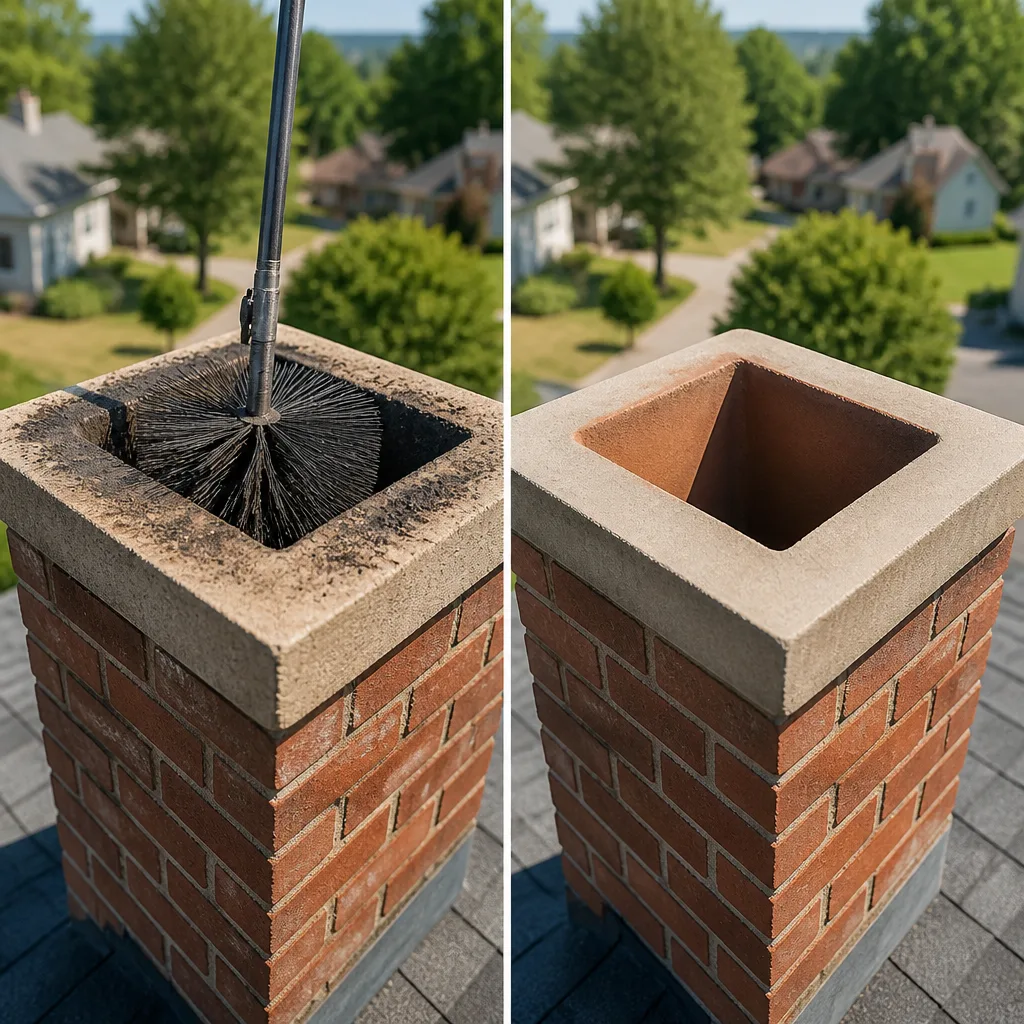 Sweep & inspection
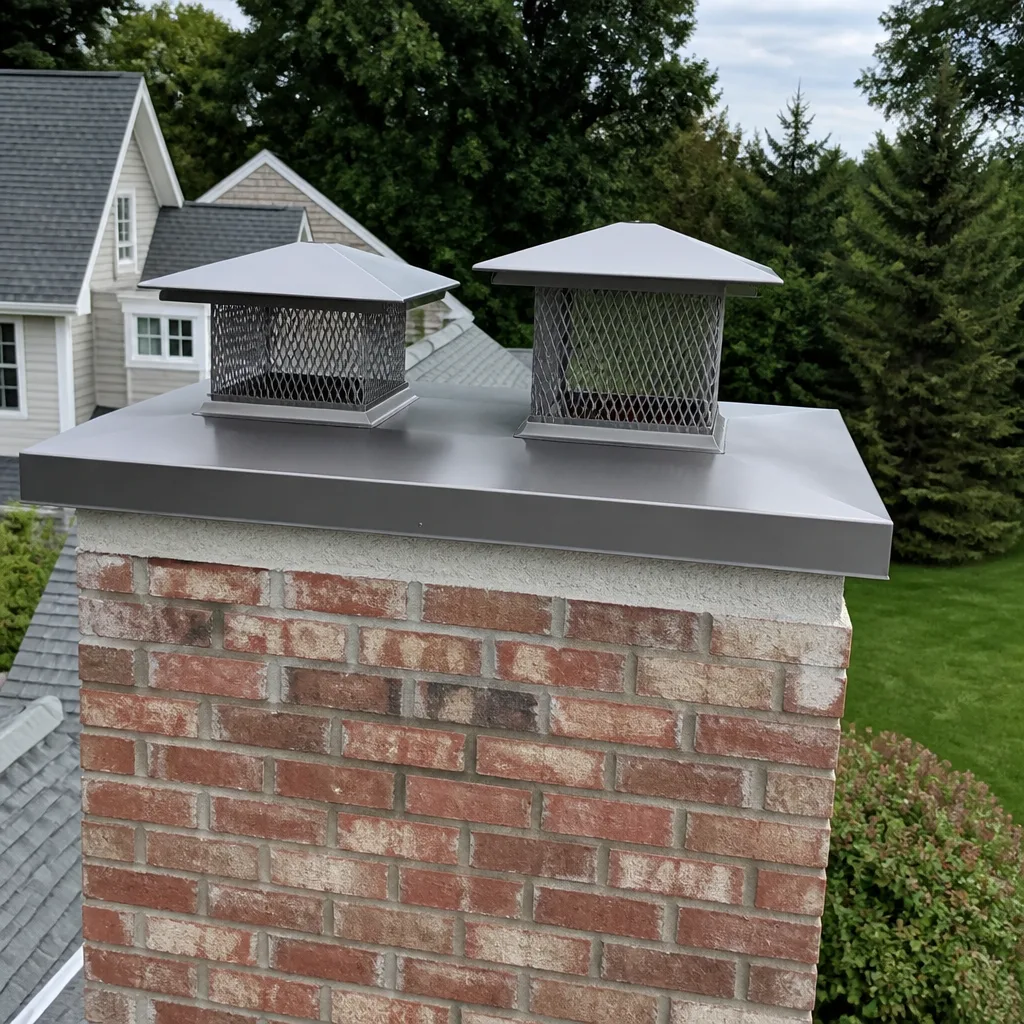 Caps & crowns
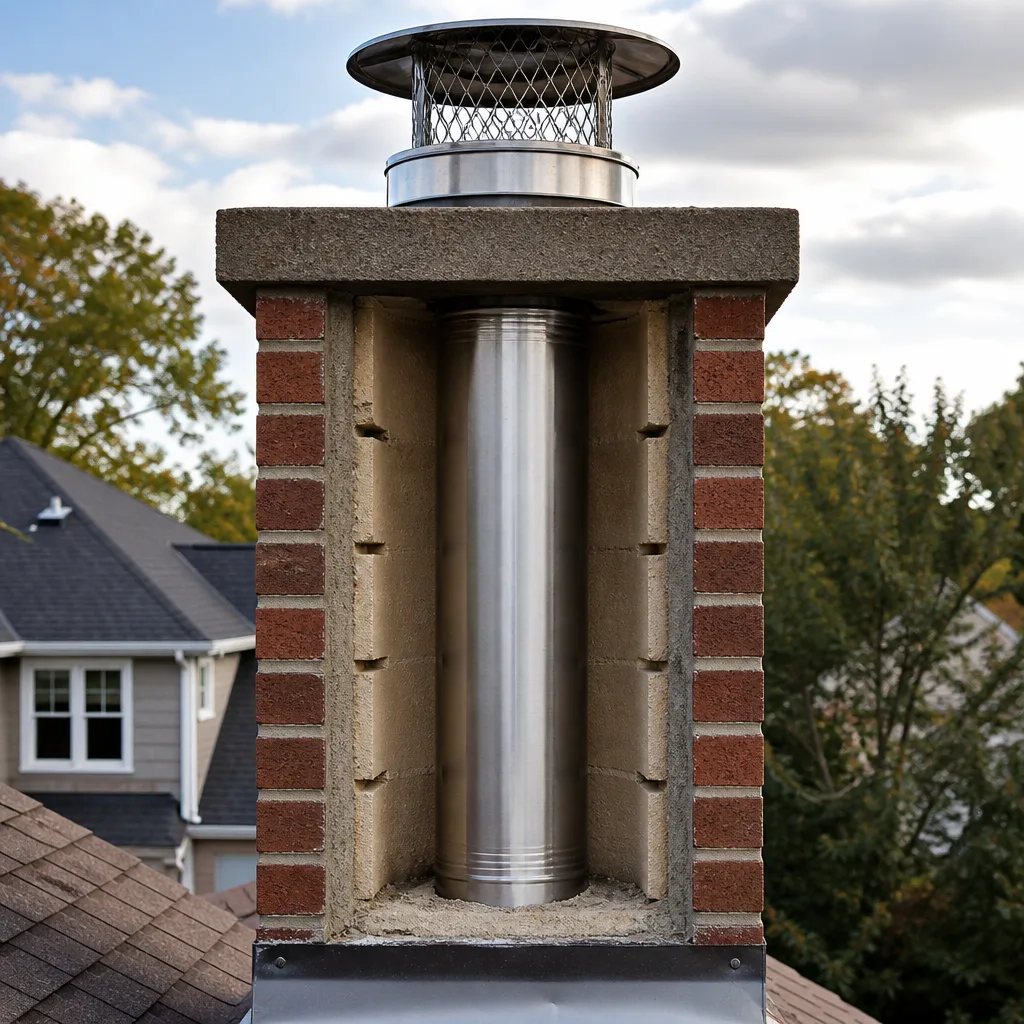 Flue relining
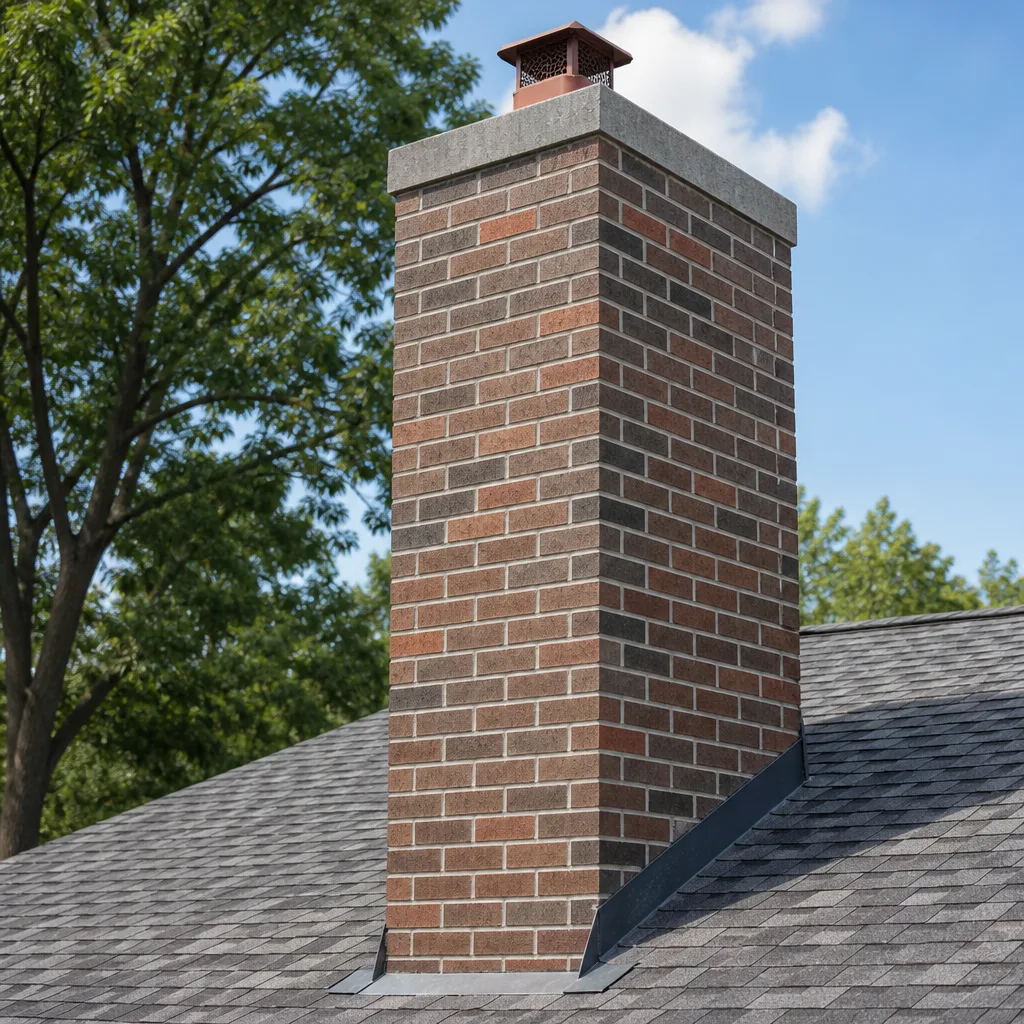 Masonry repair
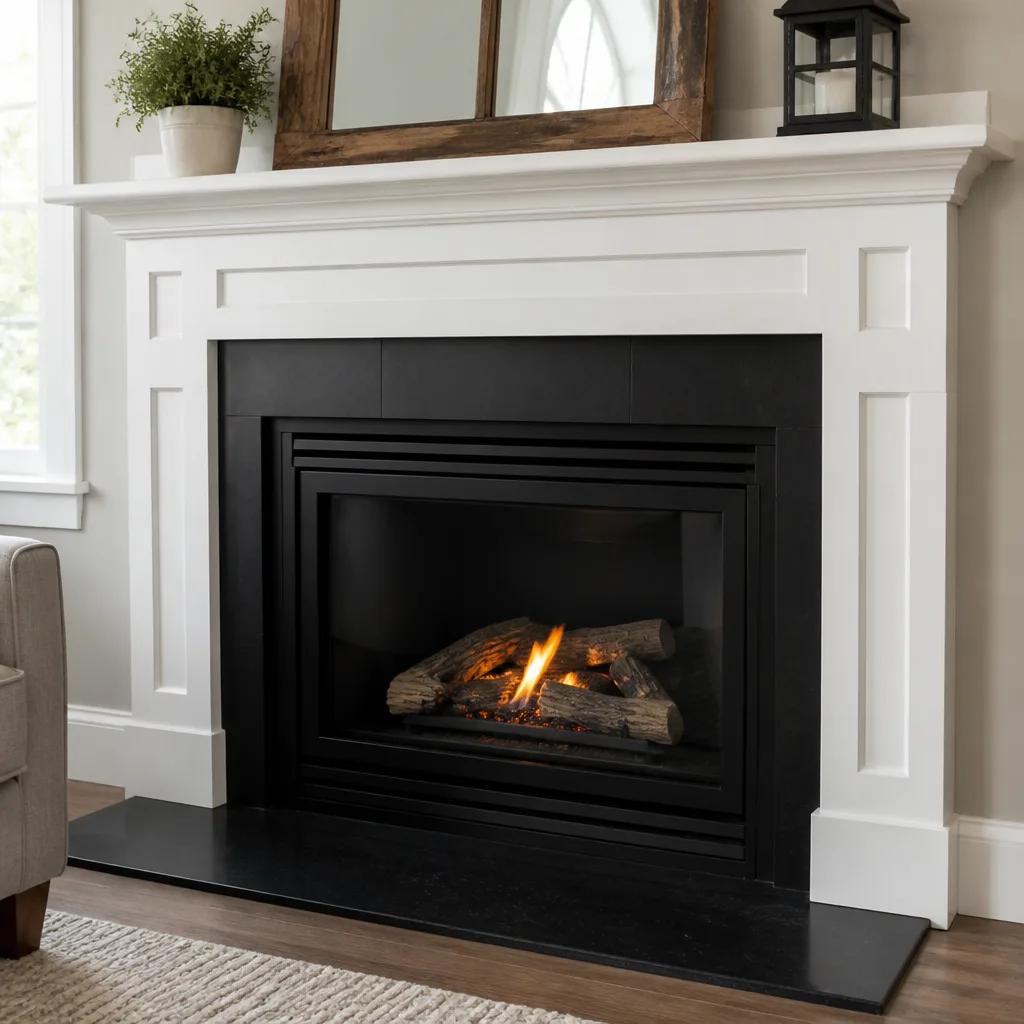 Gas fireplace service
Level 1 sweep and inspection to the NFPA 211 annual standard - flue, crown, cap, and flashing checked and photographed
Chimney sweep logs do not sweep chimneys. They loosen some creosote - which then falls where a brush and vacuum still have to collect it.
Chimney Cleaning Warning Signs: A Fremont Homeowner’s Reference Guide
A white stain on your chimney exterior and a black oily stain inside your firebox are both warning signs. One is cosmetic efflorescence that can wait. The other is third-degree creosote that makes a chimney fire statistically likely. They require completely different responses, and telling them apart is the difference between a routine service call and a genuine emergency. Most Fremont homeowners have never been taught to read these signals, so this guide walks through exactly what to look for, what each sign actually means, and whether you should stop using your fireplace tonight or simply schedule a chimney sweep at your convenience. Fremont’s mild winters create a specific set of conditions that affect how chimneys age, and knowing those local patterns helps you interpret what you’re seeing.
Quick Answer
The most serious chimney warning signs are a strong smoke smell indoors during or after fires, black glossy buildup inside the firebox, animal sounds coming from the flue, and carbon monoxide detector alerts near the fireplace. Any of these means stop using the fireplace immediately and call a specialist. White staining on exterior brick, light dusty soot, or minor mortar cracks are common in Fremont and usually mean schedule an inspection within a month, not call at midnight. When in doubt, a professional camera inspection in Fremont costs less than the deductible on most homeowners insurance policies.
Styles & brands we work with
- Sweep & inspection
- Caps & crowns
- Flue relining
- Masonry repair
- Gas fireplace service
Table of Contents
- The Three-Tier Triage System for Fremont Homes
- How to Identify Glazed Creosote vs. Standard Soot
- White Stains and Efflorescence After Fremont’s Rainy Season
- Carbon Monoxide Warning Signs That Originate in the Chimney
- Animal Sounds, Nesting, and Blocked Flues
- Cracked Flue Tiles: What You Can See vs. What a Camera Reveals
- Smoke Backdrafting and Other Signs of Poor Draft
- Dryer Vent Warning Signs That Follow the Same Logic
- Common Mistakes to Avoid
- When to Call a Professional
- Frequently Asked Questions
The Three-Tier Triage System for Fremont Homes
Most chimney advice tells you to call immediately for every sign, which is neither practical nor honest. Some issues are genuinely urgent. Others are early-stage conditions that can wait a few weeks. And some are cosmetic and simply need annual monitoring. Here is the triage framework we use when talking to Fremont homeowners, because it helps you make a clear-eyed decision instead of panicking or, worse, ignoring something that matters.
Tier One: Stop Using Now. These are active fire or carbon monoxide hazards. If you notice any of these, close the damper, do not build another fire, and call a specialist in Fremont. A strong smoke smell inside the house during or after a fire means the flue is not drafting properly, possibly due to blockage or a deteriorating liner. Black, shiny, tar-like deposits inside the firebox indicate third-degree glazed creosote, which is highly combustible. A carbon monoxide detector sounding near the fireplace or persistent flu-like symptoms that improve when you leave the house are red flags for backdrafting. Animal sounds from the chimney mean a nest may be blocking the flue. Any of these requires immediate professional attention.
Tier Two: Schedule Within 30 Days. These are deterioration risks that worsen slowly but steadily. White mineral staining on exterior brick after Fremont’s rainy season signals water penetration that will continue to degrade mortar. Light, dusty soot buildup means the chimney is due for cleaning but is not an active hazard. A faint smoke smell only when starting a fire that resolves once the fire gets going suggests early draft problems. Cracked or crumbling mortar joints on the chimney crown let water in slowly. These need attention, but the chimney is not an immediate danger, and you can keep using it cautiously while you book an appointment.
Tier Three: Monitor Annually. Some signs are simply part of how masonry behaves in Fremont’s climate. Hairline cracks in the exterior brick that have not widened over time are often cosmetic. Efflorescence that appears and disappears with rain patterns without growing is worth watching. Light surface rust on a damper handle is normal. The key distinction is whether the condition is stable or progressing. An annual inspection makes that call with confidence.
The reason this framework matters is that misclassifying a sign cuts both ways. Treating glazed creosote as something to schedule at your leisure risks a chimney fire. Treating efflorescence as an emergency gets you sold a repair you may not need. Triage is the responsible middle path.
How to Identify Glazed Creosote vs. Standard Soot
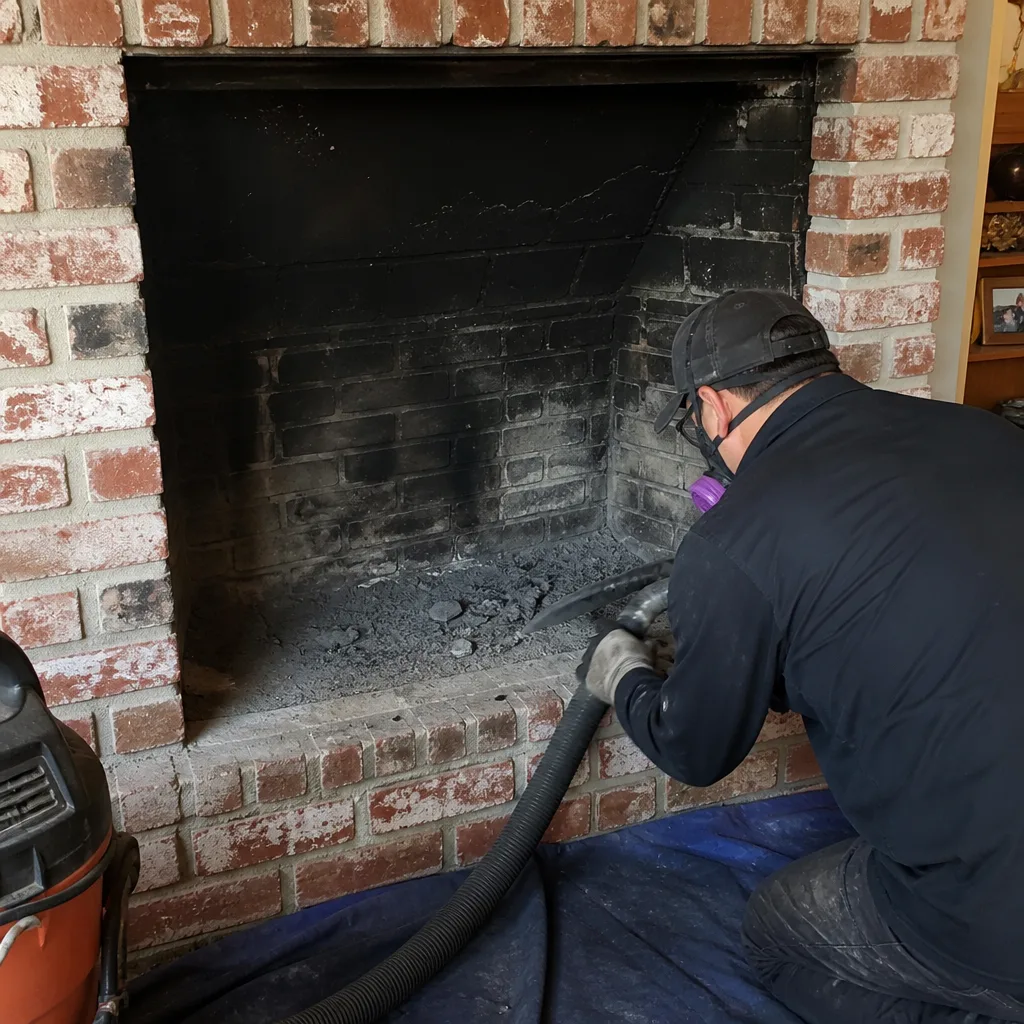
Creosote and soot look similar to an untrained eye, but they are very different substances with very different risk profiles. Soot is powdery and soft, mostly carbon, and it brushes away easily. Creosote is a tar-like residue that condenses from wood smoke and builds up in layers. By the time it reaches third degree, it is a hard, glossy, black coating that resists brushing and burns intensely if ignited.
Here is how to tell them apart from inside the firebox without touching anything, because scraping creosote yourself is dangerous and we do not recommend it.
- Look at the texture. Soot looks like dust. Creosote looks like wet tar or hardened black glass. If the surface is shiny, that is third-degree creosote.
- Look at the color. Soot is flat gray-black. First-degree creosote is light brown or gray flakes. Second-degree creosote is black and granular, like coffee grounds. Third-degree creosote is dark black and glossy.
- Look at where it sits. Soot dusts the firebox walls evenly. Creosote concentrates on the damper, the smoke shelf, and the upper flue where smoke cools and condenses. If you open the damper and shine a flashlight up, the first thing you see is often where the worst creosote lives.
- Consider your burning habits. If you burn green wood, burn fires low and slow, or have an older stove that smolders, creosote builds faster. Fremont’s mild winters mean many homeowners burn occasional, shorter fires, which can actually increase creosote condensation because the flue never gets fully hot.
In our experience, Fremont homeowners are sometimes surprised to learn their creosote level is worse than expected despite burning infrequently. The logic seems backward until you understand that short fires produce cooler flue temperatures, which means more condensation before the chimney warms up. A fireplace that is used for two hours twice a week can accumulate creosote faster than one burned hot for six hours every night. The fix is professional removal and, if the buildup is severe, an evaluation of whether the flue liner itself has absorbed creosote, which is where a material like HeatShield becomes relevant because it can resurface a fire-damaged flue rather than requiring full replacement.
White Stains and Efflorescence After Fremont’s Rainy Season
Fremont gets most of its annual rainfall between November and March, and after a wet winter, many homeowners notice white, chalky stains appearing on their chimney exterior. The first instinct is often to assume the chimney is failing. In most cases, what you are seeing is efflorescence, and understanding it saves you from unnecessary panic or unnecessary spending.
Efflorescence happens when water dissolves soluble salts inside the masonry, carries them to the surface, and evaporates, leaving the salts behind as a white deposit. It is a moisture issue, but it is not the same as structural failure. The question is not whether efflorescence exists but where the water is coming from. In Fremont, the most common culprits are a cracked chimney crown, damaged or missing chimney cap, or porous brick that has never been sealed. Because winter rain comes in long, steady systems rather than short downpours, water has time to penetrate, and the white staining becomes visible as the wet season ends.
The triage call is this: if the efflorescence is light, appears after heavy rain, and fades or stays stable in dry months, it is Tier Three, monitor annually. If it is thick, spreading, or accompanied by spalling brick, where the faces of the brick are flaking off, it is Tier Two, schedule within 30 days. Spalling means the water intrusion has progressed to the point of physical damage, and it will worsen with each wet season. In our experience, homeowners who catch efflorescence early and address the water entry point, usually the crown or cap, avoid much more expensive masonry repairs later. Doing nothing is how a cosmetic issue becomes a structural one.
Carbon Monoxide Warning Signs That Originate in the Chimney
Carbon monoxide gets overlooked because it is invisible, odorless, and its symptoms mimic the flu. But when a chimney backdrafts, combustion gases that should vent outside instead spill into the living space, and the carbon monoxide in those gases accumulates at levels that are dangerous long before they are fatal. The signs are subtle, and Fremont homeowners often attribute them to illness or seasonal allergies.
Here is what to watch for. If you or family members experience headaches, nausea, dizziness, or unusual fatigue that improves when you leave the house and returns when you come home, consider chimney backdrafting as a possibility, especially if symptoms are worse in the room with the fireplace or furnace. If you notice moisture on windows in the room with the fireplace when a fire is burning, that condensation can be a byproduct of combustion gases staying indoors instead of venting. If the flame in your gas fireplace burns yellow or orange instead of blue, that indicates incomplete combustion, which produces more carbon monoxide. If you have a CO detector and it sounds near the fireplace but not elsewhere, do not assume it is a faulty detector. Treat it as real until proven otherwise.
The connection to the chimney is often a blocked flue, a deteriorating liner, or negative air pressure in the house caused by exhaust fans or a tight building envelope. Fremont homes built in different decades have very different air leakage characteristics, and newer, tighter homes are more prone to backdrafting because there is less makeup air. This is not a do-it-yourself diagnosis. If you suspect carbon monoxide, stop using the fireplace, open windows, and call a professional who can perform a proper draft test. A camera inspection identifies blockages and liner damage that cause the problem, and the fix may be as simple as a sweep or as significant as relining. What matters is that you treat the symptoms seriously. Too many people explain them away and never connect them to the fireplace.
Animal Sounds, Nesting, and Blocked Flues
Hearing scratching, chirping, or fluttering from your chimney is one of the clearest warning signs there is, and it almost always means an animal has taken up residence. In Fremont, the usual suspects are birds, squirrels, and raccoons, all of which see an uncapped chimney as an ideal nesting cavity. The sounds may be intermittent, and you might hear them only at dawn or dusk, but any animal activity in a chimney is a problem that does not resolve itself.
The immediate risk is blockage. Nests, twigs, leaves, and sometimes the animals themselves obstruct the flue, which prevents proper drafting and forces smoke and combustion gases back into the house. A blocked flue also traps heat, increasing the risk of a chimney fire. There is a secondary risk of parasites, odor, and in the case of a dead animal, a smell that is difficult to locate and worse to remove. Raccoons, in particular, are messy nest builders and can do real damage to a chimney liner.
What you hear matters. Light chirping in spring is often birds, and nests are built quickly. Scratching with heavier movement, especially at night, is more likely raccoons or squirrels. The right response is not to smoke the animal out by lighting a fire, which is cruel to the animal and dangerous to you, because the blockage sends smoke right back into the house. The right response is to call a professional who can assess the situation, remove the nest or animal safely, and then install a proper chimney cap so it does not happen again. This is one of those cases where the warning sign is impossible to misread. The challenge is that many Fremont homeowners wait, assuming the animal will leave on its own. It rarely does, and the nest it built stays behind even if it does.
Cracked Flue Tiles: What You Can See vs. What a Camera Reveals
Flue tile damage is the warning sign most Fremont homeowners never see, because most of the flue is not visible from the firebox or the roof. What you can see through the damper with a flashlight is only the first few feet. The upper two-thirds of the flue, where condensation, heat stress, and animal damage concentrate, is invisible to the naked eye. This is why a camera inspection is the single most valuable diagnostic tool in chimney work.
But there are clues. If you open the damper and shine a flashlight up, look for cracks, gaps, or missing pieces of tile in the lower flue. Look for white or gray scaling on the tile surface, which indicates moisture damage. If you notice pieces of tile or mortar in the firebox after a storm or after burning, that is direct evidence of flue deterioration. If you hear a hollow sound when tapping the chimney exterior, or if the chimney has a slight lean, those are structural red flags. What a camera reveals is more precise. On a scan, a cracked flue tile shows as a visible fracture line, often with misalignment between tile sections. Spalling shows as flaking or pitting on the interior surface. Gaps between tiles show as dark voids where heat and gases can escape into the chimney cavity.
The reason this matters is that a cracked flue liner is not a cosmetic issue. The liner’s job is to contain heat and combustion byproducts. When it is compromised, heat can reach combustible materials in the chimney structure, and gases can leak into the house. In our experience, Fremont homeowners who have not had a camera inspection in years are often surprised by what it reveals, because the chimney looked fine from the outside. The good news is that a damaged liner can often be restored with a material like HeatShield or relined with a system like DuraFlex, both of which are professional-grade solutions we use, rather than requiring a full chimney rebuild. But you cannot fix what you have not found, and finding it requires a camera.
Smoke Backdrafting and Other Signs of Poor Draft
A chimney is not just a hole in the roof. It is a regulated pathway that moves combustion gases from the firebox to the outside using the physics of pressure and temperature. When that pathway is blocked, damaged, or improperly sized, smoke goes where it should not, which is back into your house. The signs of poor draft are surprisingly specific, and recognizing them early in Fremont saves you from the cumulative damage, and danger, of repeated smoke exposure.
The clearest sign is smoke entering the room. If you light a fire and smoke rolls out of the front of the fireplace instead of rising, the draft is failing. This is different from a small amount of smoke on startup, which can happen as the flue warms. Persistent smoke throughout the fire means something is wrong. Another sign is a fireplace that is difficult to light or keep lit. If the fire struggles, sputters, or keeps going out, poor draft is likely. You may also notice soot staining on the wall above the fireplace opening, which tells you smoke has been spilling for a while, not just once. A musty or smoky smell from the fireplace even when it is not in use is another clue, because it means combustion byproducts are lingering in the flue and being pushed back into the house.
The causes in Fremont run the usual spectrum. A blocked flue from creosote, animal nesting, or debris. A liner that has deteriorated to the point where it cannot maintain proper temperature and draw. Negative air pressure in the house, which is more common in newer, tighter construction or when kitchen and bath exhaust fans run during a fire. An improperly sized flue, which happens when homeowners install a different fireplace or stove without updating the chimney. Each cause has a different fix, and guessing is expensive. A professional draft test, often part of a camera inspection, identifies the root cause so the right repair is made once. We repair what others only report, and this is exactly where that matters, because a draft problem that is flagged but not diagnosed will keep coming back.
Dryer Vent Warning Signs That Follow the Same Logic
The same triage framework applies to dryer vents, which are part of the same home ventilation system even though most people think of chimneys and dryers as unrelated. In Fremont, where homes vary widely in age and layout, dryer vent problems are common and often ignored until they become serious. A clogged dryer vent is a leading cause of residential fires, and the warning signs are usually present long before a fire happens.
Here is how to read them. If clothes take longer than one cycle to dry, especially heavy items like towels, airflow is restricted. This is the earliest and most reliable sign. If the dryer itself is hot to the touch on the outside, heat is building up inside instead of being exhausted. If you smell a burning odor while the dryer runs, lint is likely overheating, and that is a Tier One issue, stop using the dryer and call a professional. If the vent flap on the exterior wall does not open fully when the dryer is running, airflow is weak. If you see lint accumulating around the dryer or on the floor behind it, the vent is backing up. And if it has been more than a year since the vent was cleaned, you are overdue regardless of symptoms.
This connects to the chimney conversation in a specific way. Dryer vent cleaning is not a side service we offer as an afterthought. It is a core part of whole-home ventilation safety, and the same equipment, a camera, the same methodical inspection, and the same professional-grade approach applies. Many Fremont homeowners have us handle both in the same visit, because the logic is identical: a blocked vent is a fire risk, and a clean vent is a safe home. Clean flues, safer homes, and that includes the vent behind your dryer.
Common Mistakes to Avoid
- Waiting until you see smoke before addressing draft problems. By the time smoke is rolling into the room, the draft has been failing for a while. Soot staining, difficulty lighting fires, and a lingering smoke smell are earlier signs. If you address them when they appear, you avoid the mess and the risk of waiting until the blockage is severe.
- Scraping creosote yourself as a DIY project. Creosote removal requires professional tools and safety equipment, and doing it wrong makes the buildup worse. Third-degree glazed creosote cannot be brushed away by hand. This is not a job for a wire brush from the hardware store, and attempting it puts you in direct contact with a known carcinogen.
- Assuming white staining on brick means the chimney is falling apart. Efflorescence is common in Fremont after wet winters and is often cosmetic. The right response is to note it, watch it, and have it evaluated during your next inspection. The wrong response is to ignore it completely or to pay for unnecessary repairs.
- Attributing flu-like symptoms to illness without considering carbon monoxide. If symptoms improve when you leave the house, that points to an environmental cause, and the chimney is a prime suspect. Open windows, stop using the fireplace, and get the chimney inspected before assuming it is just a bug going around.
- Ignoring animal sounds because you assume the animal will move on. Even if the animal leaves, the nest and blockage remain. And the animal usually does not leave. A chimney cap is cheap insurance compared to removing a raccoon nest and repairing liner damage.
- Using a general handyman for chimney work. Chimney systems are safety infrastructure, and the materials and techniques are specific. Professional-grade materials like Gelco and Famco products, and the training to use them, are not available to generalists. This is not a trade where the lowest bid is the best value.
When to Call a Professional
Call a professional in Fremont when you see any Tier One sign: glazed creosote, smoke in the house, carbon monoxide symptoms, animal activity, or a dryer that is hot to the touch. Call when a Tier Two sign has been present for more than a few weeks: efflorescence that is spreading, light soot buildup, or minor draft issues. Call when you cannot remember the last time the chimney was inspected, because that is the most common scenario we see, and it is the one that quietly becomes a problem. You do not need to know exactly what is wrong. You need to know who can find out. Chimney Cleaning Fremont offers free estimates in Fremont, call (844) 980-4364. We answer 24/7, fast dispatch from 7am to 7pm, Sunday through Friday. One call covers sweep, repair, and dryer vents.
Frequently Asked Questions
A standard chimney sweep in Fremont typically falls within a moderate range that varies based on the chimney’s condition, height, and how long it has been since the last cleaning. The written estimate sets the final price, and because every chimney accumulates creosote differently based on burning habits and wood quality, we quote each job individually. Call (844) 980-4364 for an exact quote, estimates are free. We answer 24/7.
Most chimney organizations recommend an annual sweep for wood-burning fireplaces, and that applies in Fremont even though our burning season is shorter than colder climates. Short, infrequent burns actually create cooler flue temperatures and more creosote condensation, so an annual sweep is the right interval for most local homes. Gas fireplaces can often go longer, but an annual visual check is still wise.
Not every damaged liner needs replacement. Materials like HeatShield can resurface a deteriorated flue from the inside, restoring its function without demolition, and DuraFlex flexible liners allow relining with less disruption than a full rebuild. The right answer depends on what the camera inspection shows, and we recommend no liner work without camera evidence you can see for yourself. Built to last, not patched to pass.
Creosote continues to build, eventually reaching the third-degree stage where it becomes a concentrated fuel source inside your flue. A chimney fire becomes statistically likely, and even if it is contained, the extreme heat can crack flue tiles, damage the liner, and char nearby framing, leaving behind a fire risk you cannot see. Skipping a cleaning saves a small amount now and risks a very large repair, or worse, later.
We strongly recommend against it. Professional chimney sweeping requires specialized brushes sized to your flue, a proper vacuum system to contain the dust, and the experience to identify damage that a homeowner will miss. The creosote dust is a carcinogen, and the physical work of climbing on a Fremont roof with brushes is a fall risk. This is a job where the professional cost is justified by the safety and the quality of the result.
Gas fireplaces still produce combustion byproducts and still need to vent correctly, even though they do not produce wood creosote. The venting can accumulate dust, debris, and animal nests, and a blocked gas vent is a carbon monoxide risk. An annual check is appropriate, even if full sweeping is needed less often than for wood-burning fireplaces.
The Bottom Line
Most chimney problems announce themselves before they become emergencies, and learning to read the signs is the difference between a scheduled service call and a disaster you could have prevented. Glazed creosote, smoke backdrafting, animal activity, and carbon monoxide symptoms mean stop now. Efflorescence, light soot, and minor draft quirks mean schedule soon. The familiar signs, no issues, no changes, still mean an annual check, because the flue hides what you cannot see. Fremont’s climate creates specific conditions, and Fremont homeowners benefit from working with a specialist who knows those conditions and uses professional-grade materials, not hardware-store substitutes. When you are ready to know what is really happening in your chimney, call (844) 980-4364 for a free estimate. We answer 24/7. Fast dispatch from 7am to 7pm, Sunday through Friday.
Written by the team at Chimney Cleaning Fremont, serving Fremont since 2011.
See the difference
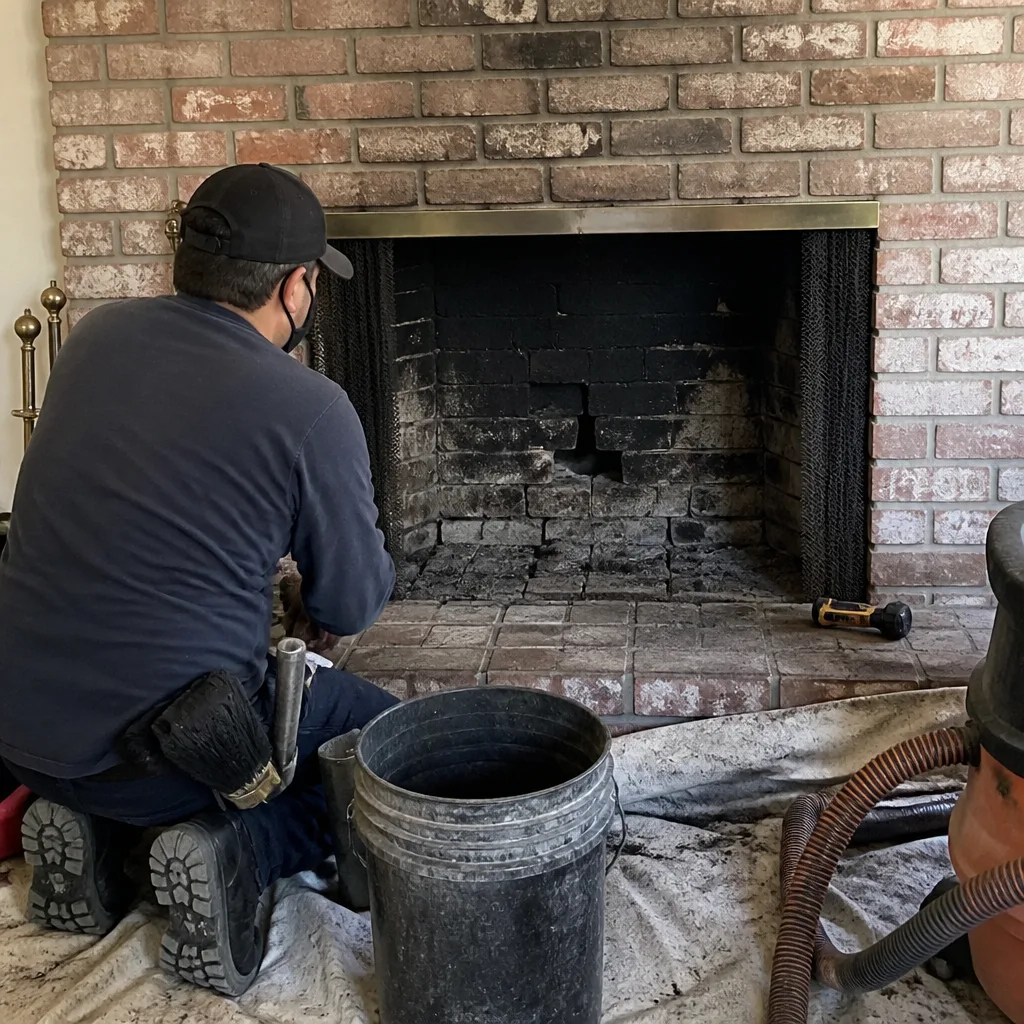 Before
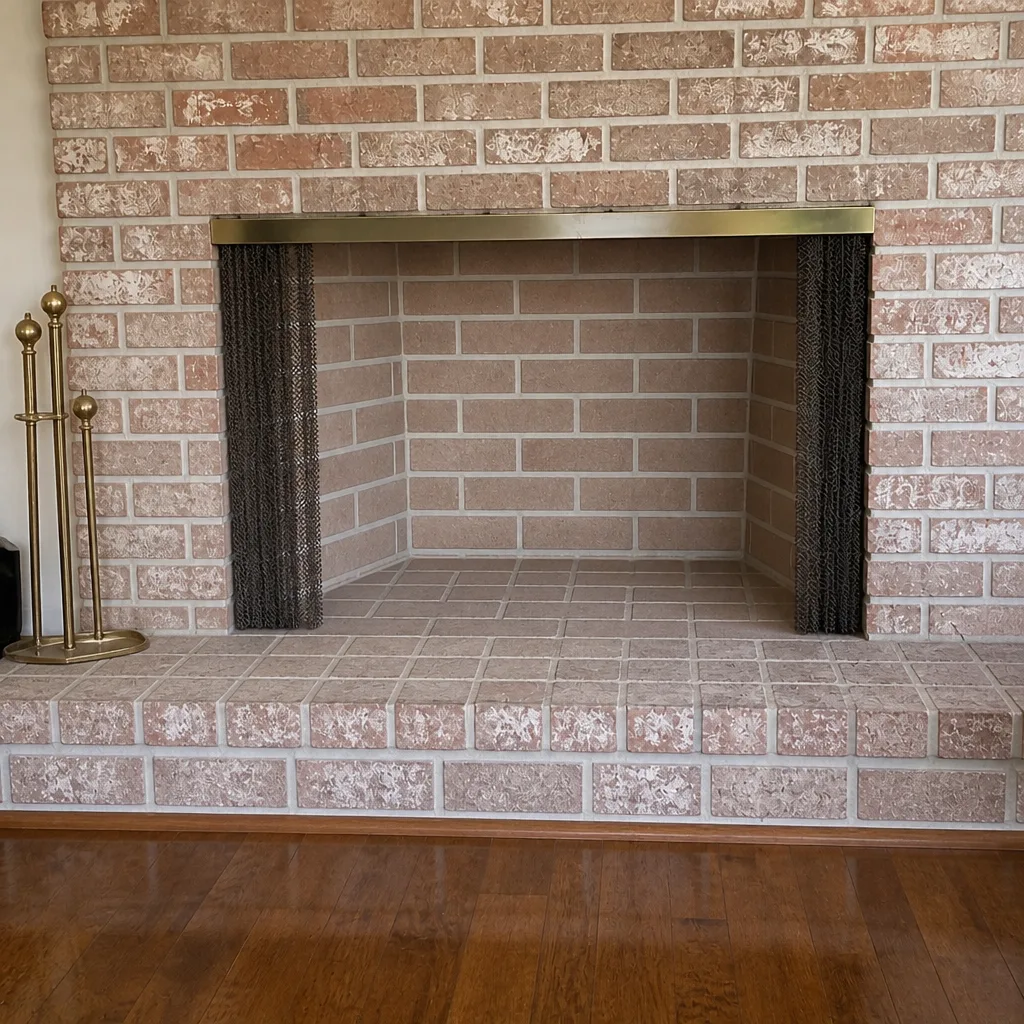 After
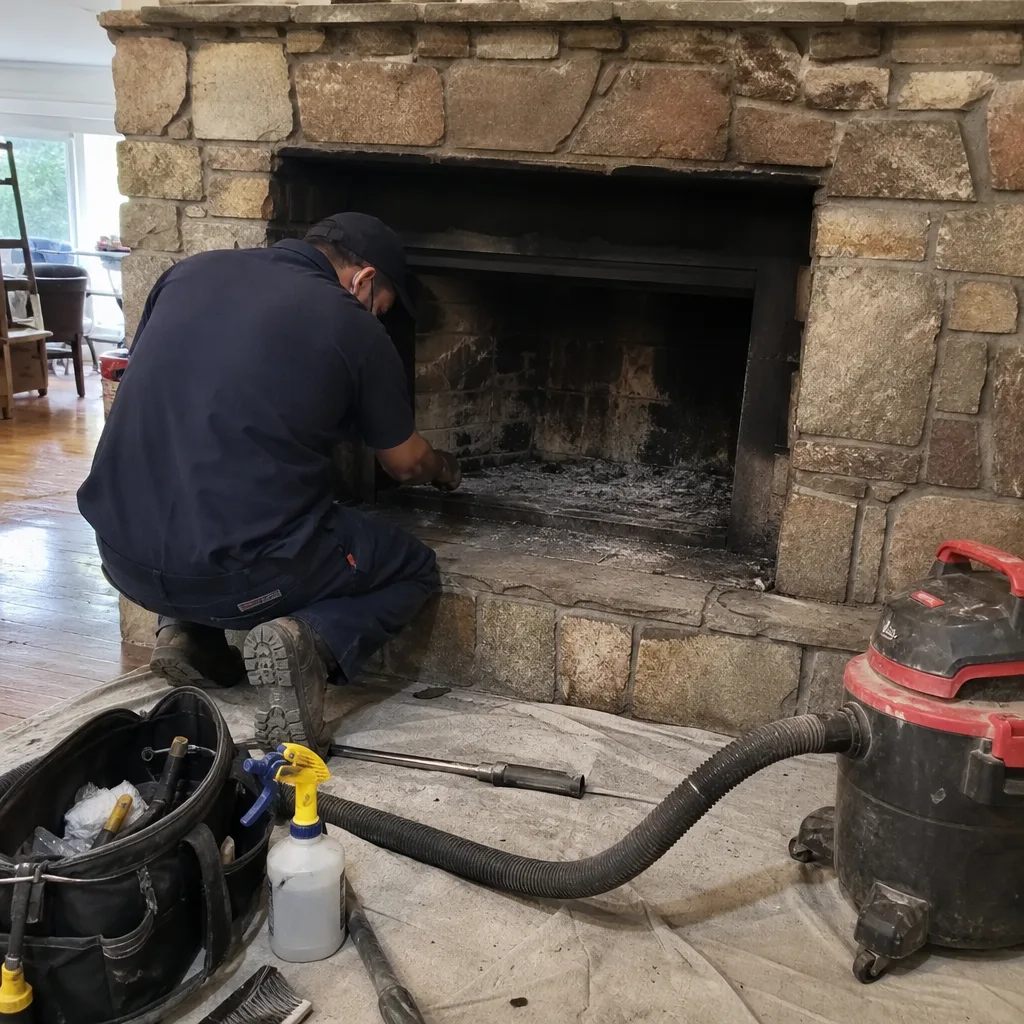 Before
 After
 Before
 After