
Last updated November 4, 2026
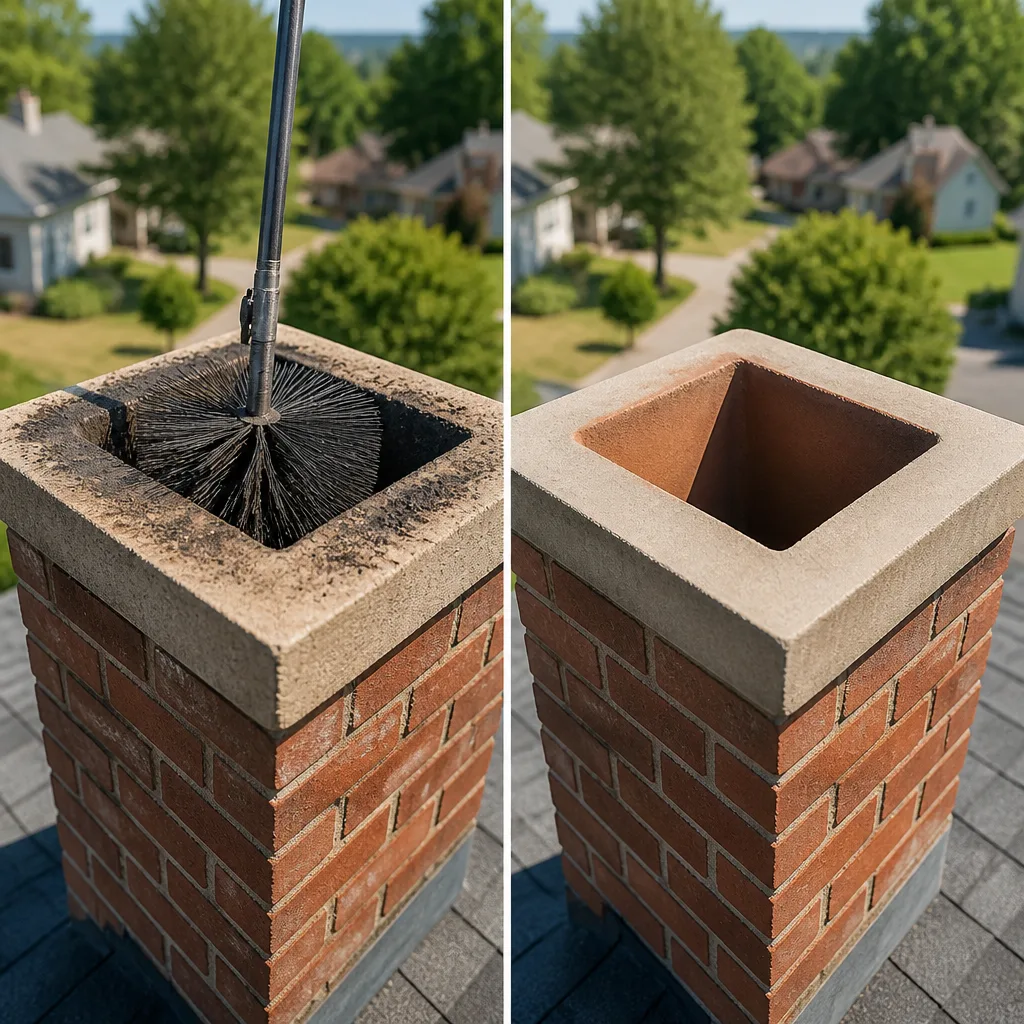 Sweep & inspection
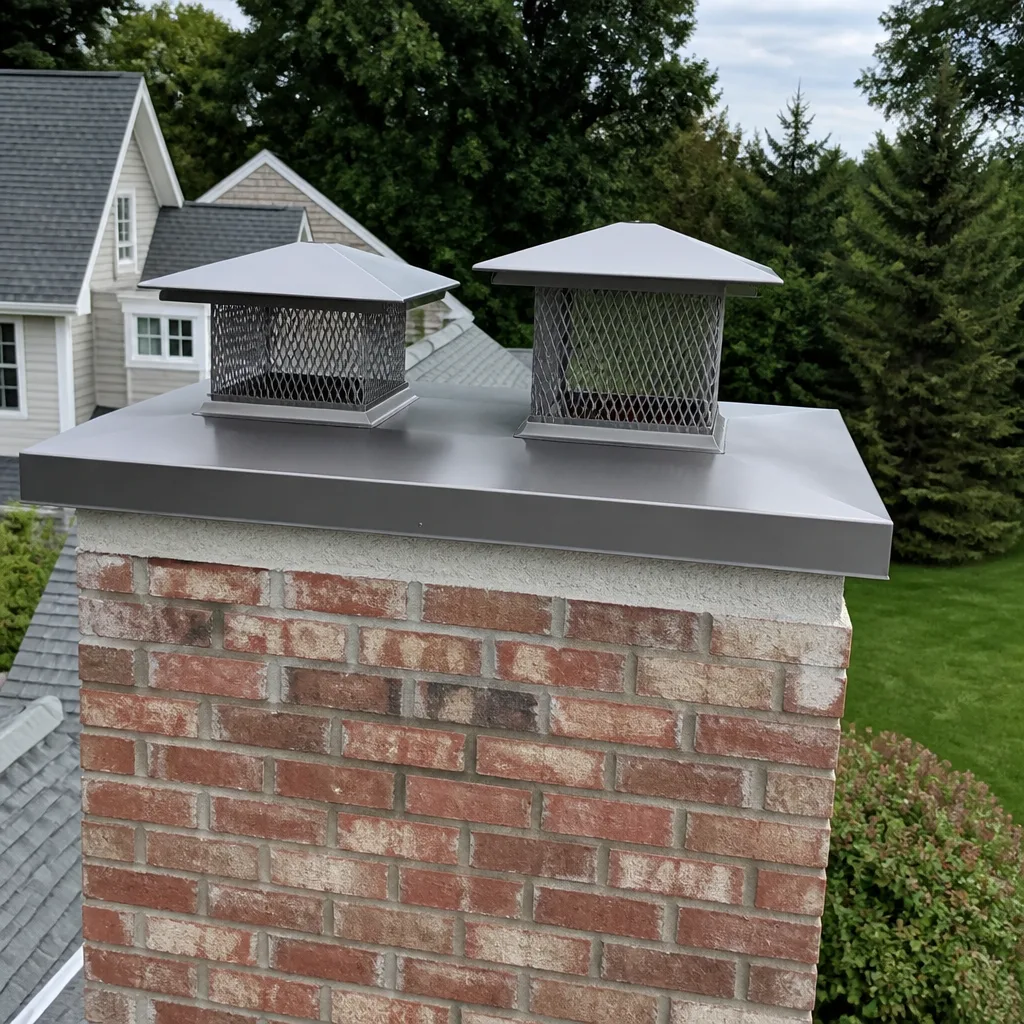 Caps & crowns
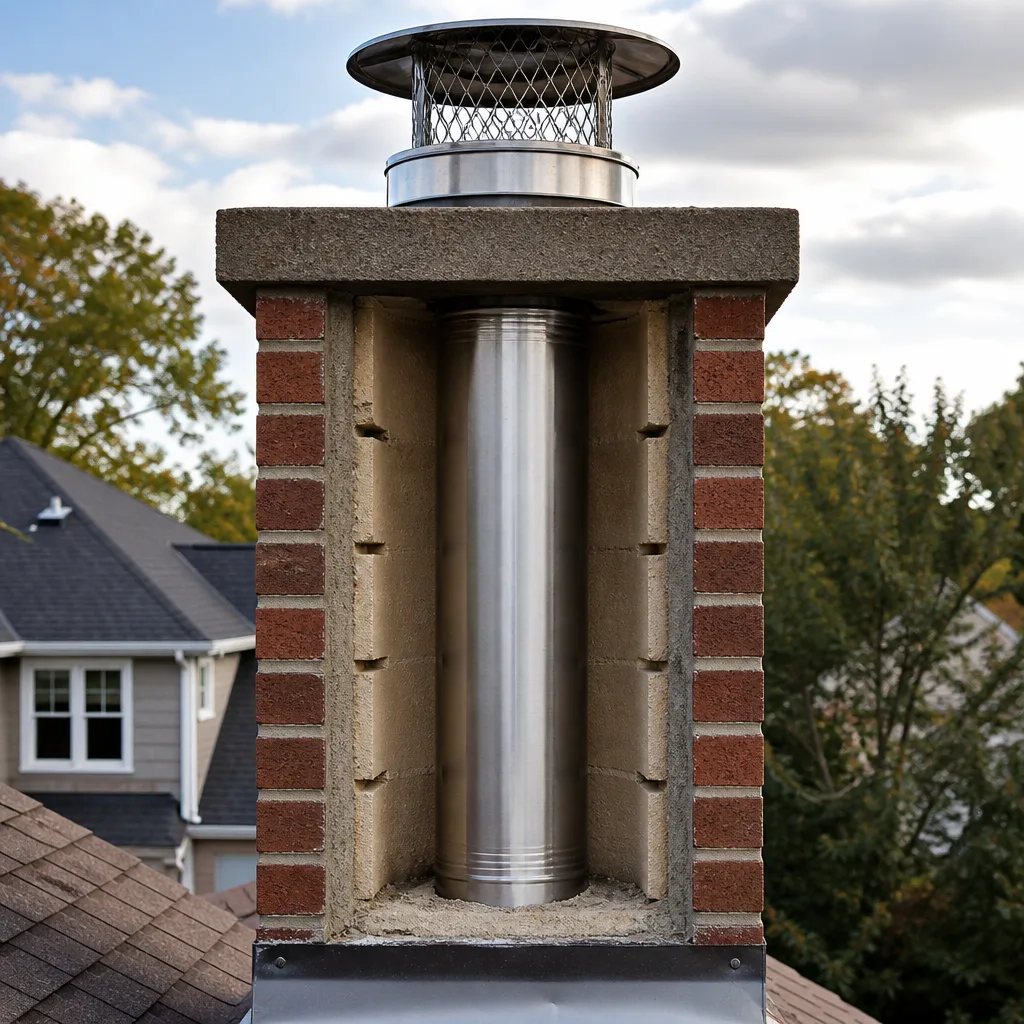 Flue relining
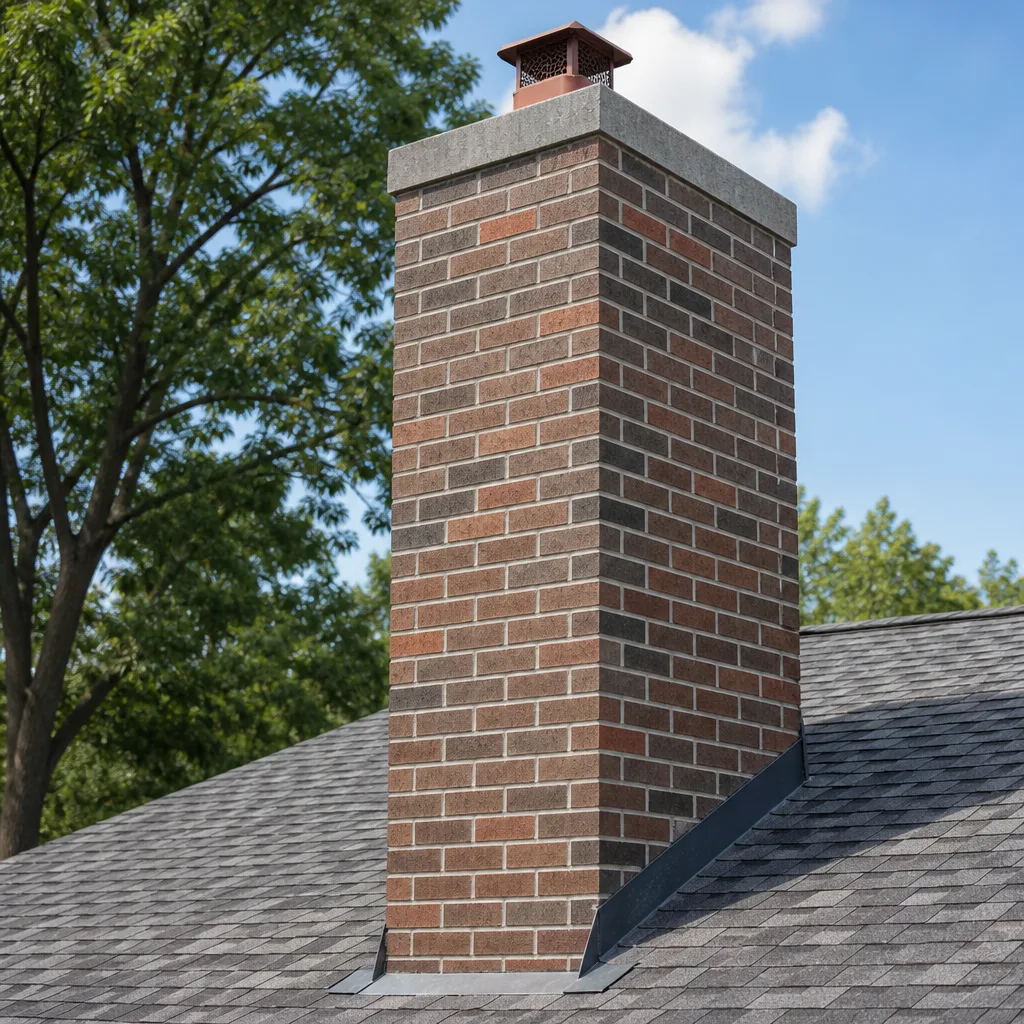 Masonry repair
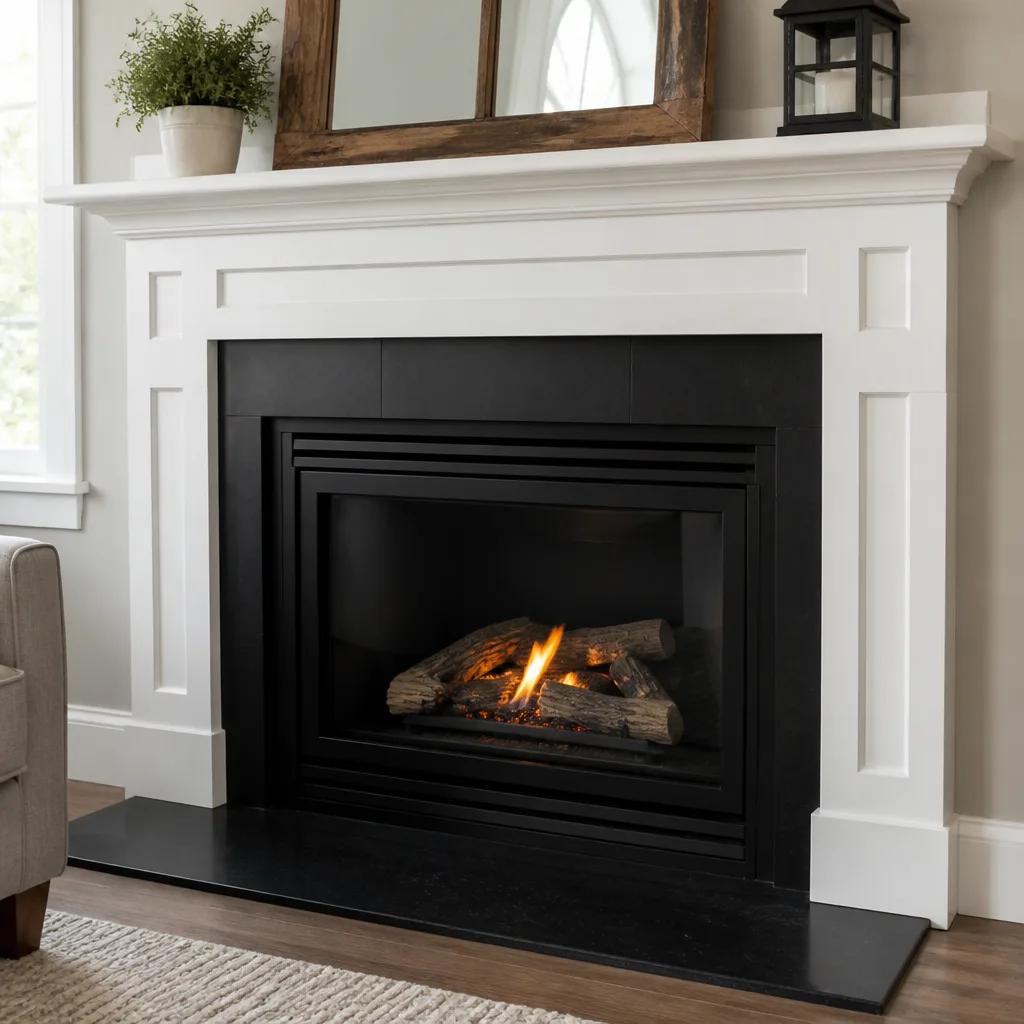 Gas fireplace service
Level 1 sweep and inspection to the NFPA 211 annual standard - flue, crown, cap, and flashing checked and photographed
Chimney sweep logs do not sweep chimneys. They loosen some creosote - which then falls where a brush and vacuum still have to collect it.
Chimney Sweep Maintenance Checklist for Fremont Homeowners
The standard advice you’ll find online says to sweep your chimney once a year and check the cap. That advice was written for places with real winters. In Fremont, the actual failure points are different. A chimney that sits idle through our wet, foggy months develops crown cracks, flashing gaps, and interior moisture damage that a chimney used weekly in a dry climate never sees. This checklist is built for Fremont specifically, because the maintenance routine that protects a chimney here is not the same routine that works in Truckee or Denver. You’ll learn what to check from the ground, what belongs on the roof, and which three failure points most Fremont homeowners miss until water stains appear on an interior wall.
Styles & brands we work with
- Sweep & inspection
- Caps & crowns
- Flue relining
- Masonry repair
- Gas fireplace service
Quick Answer
A Fremont chimney maintenance routine should include a professional sweep at least once a year, a post-rainy-season inspection of the crown and flashing every spring, a visual ground-level check of the cap and masonry every two months, and a gas insert or prefab fireplace service every one to two years depending on use. The single most overlooked item in Fremont is the chimney crown, because our stucco and concrete crowns crack under wet-dry cycling far more often than homeowners expect. If you do nothing else, schedule a sweep and full inspection before you light the first fire of the season.
Table of Contents
- Why Fremont Chimneys Fail Differently
- The Month-by-Month Fremont Chimney Checklist
- What You Can Safely Check From the Ground
- What Requires a Technician on the Roof
- Gas Insert and Prefab Fireplace Maintenance Most Checklists Skip
- The Three Chimney Cap Items Most Homeowners Miss
- How to Log Chimney Service History for Alameda County Home Resale
- Common Mistakes to Avoid
- When to Call a Professional
- Frequently Asked Questions
- The Bottom Line
Key Takeaways
- Fremont’s wet winters and foggy months cause more chimney damage than fire use does. The crown and flashing are your highest-risk components.
- A ground-level visual check every two months catches most emerging problems before they become structural.
- Gas fireplaces and prefab zero-clearance units need maintenance too, and skipping them is a carbon monoxide risk.
- Keep a written service log. In Alameda County, a documented chimney history is a meaningful resale disclosure advantage.
- If you see interior water staining, efflorescence on masonry, or rust on the cap, call a sweep before you use the fireplace again.
Why Fremont Chimneys Fail Differently
Fremont sits in a climate band that most chimney maintenance literature ignores. Our winters are mild, which means two things. First, we do not get the freeze-thaw damage that dominates chimney failure in cold climates. Second, and more importantly, we get long stretches of damp, foggy weather where a chimney sits cold and wet for weeks at a time. Moisture soaks into porous mortar, stucco, and concrete, then dries, then soaks in again. That wet-dry cycling is what cracks crowns and opens flashing seams here.
The other Fremont-specific factor is architectural. A large share of homes in this city were built between the 1960s and 1980s with stucco-clad chimneys and concrete crowns. Stucco is not waterproof. It is moisture-resistant at best. Small hairline cracks that would be cosmetic in a drier climate become water channels in Fremont’s wet season. Once water gets behind the stucco, it travels down the chimney chase and shows up as interior wall staining, sometimes far from the actual entry point.
We also see a pattern with gas fireplace inserts. Homeowners with gas inserts often assume the chimney needs no attention because there is no wood smoke. That assumption is wrong. Gas combustion produces water vapor and acidic byproducts that condense on flue walls. In Fremont’s humidity, that condensation is heavier and lingers longer. The result is accelerated liner deterioration inside chimneys that never burn wood.
If you own a home in Fremont and you have not had the chimney inspected in over a year, the odds are higher than you think that moisture is already working on something up there.
The Month-by-Month Fremont Chimney Checklist
Here is a calendar that matches what actually happens in Fremont’s seasons. Use it as your working maintenance rhythm, not a rigid schedule. The goal is to inspect before wet weather, address damage after wet weather, and prepare before burn season.
October – November: Pre-Burn Season Preparation
- Schedule a professional chimney sweep and inspection. This is the single most important item on the calendar. Do it before BAAQMD winter air quality rules restrict burning or before the first fire of the season, whichever comes first for you.
- From the ground, check the chimney cap for visible rust, bent mesh, or missing sections. Binoculars help.
- Test the fireplace damper. It should open and close smoothly without grinding or sticking.
- If you have a gas insert, turn it on and watch the flame for five minutes. A lazy, yellow flame with sooting at the glass is a ventilation problem, not a fuel problem.
- Clear any debris from the firebox and make sure no bird or rodent nesting material is visible from below.
November – December: Early Burn Season Monitoring
- After your first three fires, check the damper operation again. Heat cycling can warp a damper that was already marginal.
- Watch for smoke entering the living space. If smoke spills into the room when the fire is well-established, that is a draft or liner problem, not normal operation.
- Check the walls and ceiling near the fireplace for any new staining, especially after rainy days.
- If you burn wood, burn only seasoned hardwood. Wet or green wood produces creosote far faster and increases the risk of a chimney fire.
January – February: Wet Season Awareness
- After each significant rain, do a quick interior check of the walls around the fireplace and the ceiling near the chimney chase. Water intrusion shows up as discoloration, bubbling paint, or a musty smell.
- Check the exterior masonry from the ground for new crack propagation. A crack that grows between October and February needs attention.
- If you see water staining, act now. Fremont’s wet season is not the time to defer a crown or flashing repair.
March – April: Post-Rainy-Season Inspection
- Schedule a crown and flashing inspection. This is the Fremont-specific step most generic checklists omit. The end of the wet season is when moisture damage is most visible and most accurately diagnosable.
- Have a technician check for efflorescence, which is the white mineral deposit that appears when water moves through masonry and evaporates.
- Check the interior firebox for any water marks, rust, or dampness that would confirm a leak path.
- If you have a stucco-clad chimney, have the stucco checked for the hairline cracks that are the early warning sign of bigger water intrusion.
May – June: Summer Wildlife and Structural Check
- Summer is nesting season for birds and squirrels in Fremont. Check the chimney cap for signs of nesting activity, droppings, or twigs protruding through the mesh.
- Have the flue inspected for wildlife entry if you hear scratching sounds or notice animal activity near the roofline.
- This is the best time of year for non-urgent masonry repair. Dry weather means sealants and mortar cure properly.
- Check the flashing where the chimney meets the roofline. Look for lifted edges, missing sealant, or visible gaps from ground level if possible.
July – September: Off-Season Maintenance Window
- If your sweep recommended any repair work during the fall or spring inspection, this is the time to schedule it. Contractors have more flexibility, and warm, dry weather produces better results for masonry and sealant work.
- Schedule dryer vent cleaning during the same season. Dryer lint is a leading cause of residential fires, and while the chimney is being maintained, the dryer vent is the other ventilation system that deserves equal attention.
- Check gas fireplace logs or burner components for dust and debris if the unit has been off for months.
- Review your service log and note what was done and what needs doing for the coming fall.
What You Can Safely Check From the Ground
You do not need to get on the roof to do a meaningful chimney inspection. In fact, most of what goes wrong in Fremont chimneys shows visible symptoms at ground level long before it becomes a major repair. Here is what to look for, and what each symptom actually means.
Exterior Masonry and Stucco
- Hairline cracks in stucco: These are the earliest sign of water entry. In Fremont’s wet-dry climate, a hairline crack this spring is a visible gap by next winter.
- Efflorescence (white powdery residue): This means water is moving through the masonry and leaving mineral deposits behind. It is not just cosmetic. It tells you water is inside the structure.
- Spalling (flaking or crumbling brick or concrete): This is advanced moisture damage. The surface layer is literally falling off because water inside the material is expanding and contracting.
- Dark staining or moss growth: Persistent moisture. Moss on a chimney in Fremont means water is present more often than it is absent, which is exactly what you do not want on a chimney system.
Chimney Cap and Crown
- Rust on the cap: The cap is galvanized or stainless. Rust means water is pooling on it or the protective coating has failed. A rusted cap eventually becomes a hole.
- Bent or missing mesh: The mesh is what keeps birds, squirrels, and bats out. If it is damaged, assume animals have already found the opening.
- Visible crown cracks from below: The crown is the concrete or mortar slab at the very top of the chimney. If you can see a crack from the ground with binoculars, it is already significant.
Flashing and Roofline
- Lifted or separated flashing: Flashing is the metal that seals the joint where the chimney meets the roof. Any gap, lift, or missing sealant is a direct water entry point.
- Rust on flashing: Flashing rusts where water pools or where it is in constant contact with moisture. Rusted flashing eventually leaks.
- Discolored or soft roof decking near the chimney: This is what water damage looks like before it becomes a visible leak. If the roof surface near the chimney looks different from the rest of the roof, investigate.
All of these are safe to check from the ground. You do not need a ladder, and you do not need to get on the roof. If you see any of these symptoms, the next step is a professional inspection, not a closer look.
What Requires a Technician on the Roof
Some components of a chimney system simply cannot be assessed from the ground. In our experience, the most expensive Fremont chimney repairs we see are the ones that were invisible from the ground until they became urgent. Here is what a technician checks on the roof that you cannot.
The Crown
The chimney crown is the concrete or mortar slab at the top of the chimney, and it is the single most critical waterproofing component in the entire system. From the ground, a crown can look fine while being completely compromised. On the roof, a technician checks for:
- Hairline cracks that allow water to penetrate the crown and enter the chimney chase
- Separation between the crown and the flue tile, which is a common entry point in older Fremont homes
- Improper crown construction, such as a crown that slopes toward the flue instead of away from it
- Spalling or crumbling concrete that indicates the crown has been failing for years
When a crown fails, the repair options depend on how far the damage has progressed. Minor cracks can be sealed. Moderate damage may require a resurfacing product. We use HeatShield, a ceramic flue resurfacing material, for liner and crown applications where the substrate is still sound. If the crown is beyond repair, it gets rebuilt. The key is catching it before water has been entering for multiple seasons.
The Flue Liner
A flue liner is the inner wall of the chimney, and it is what contains heat, gases, and creosote. Liners in older Fremont homes are often clay tile, which deteriorates over time from heat cycling, moisture, and acidic gas condensation. A technician checks for:
- Cracked or missing clay tile sections, which expose the chimney structure to direct heat
- Gaps between tile sections where gases can escape into the home
- Deterioration caused by gas appliance condensation, which is a common issue in Fremont homes with gas inserts venting through older masonry chimneys
- Creosote buildup that has hardened into a glaze, which cannot be removed with standard sweeping and requires mechanical removal
When a clay liner is cracked or failing, the repair options are relining with a DuraFlex flexible liner system or resurfacing with HeatShield. Both are significantly less disruptive than a full chimney rebuild, and both restore the liner to safe operating condition. A sweep-only company can clean the flue and tell you the liner is failing. We can actually fix it, because the repair is part of the same service relationship.
The Flashing
Flashing from the ground looks fine even when it is failing at the roofline. On the roof, a technician checks for:
- Lifted or separated flashing edges that let water run behind the flashing and into the roof deck
- Dried-out or cracked sealant that has lost adhesion to both the chimney and the roof surface
- Improper flashing installation, which is common on homes where a roofer did the work without chimney-specific knowledge
- Nail holes or fasteners that have backed out and become water entry points
Flashing repair is not a roofing job, exactly. It is a chimney-to-roof interface job, and it requires understanding both systems. We use professional-grade flashing materials from Copperfield and Olympia Chimney, the same brands certified chimney specialists use, because flashing that fails in two years is not a repair, it is a deferral.
Gas Insert and Prefab Fireplace Maintenance Most Checklists Skip
Most chimney maintenance content is written for wood-burning fireplaces. If you have a gas insert or a prefab zero-clearance fireplace, you have probably read those checklists and concluded that none of it applies to you. That conclusion is dangerous. Gas appliances have their own maintenance requirements, and skipping them creates a carbon monoxide risk that wood fireplaces do not present in the same way.
Gas Fireplace Inserts
A gas insert is a sealed unit that vents through the existing chimney. It burns natural gas, which produces water vapor and, in some conditions, acidic condensate. In Fremont’s humidity, that condensation is a real issue. Here is what a gas insert owner should do:
- Annual burner and log inspection: The burner should be checked for proper flame pattern, the logs for positioning that blocks the flame, and the ignition system for delayed or failed lighting.
- Glass cleaning and seal check: The glass front of a gas insert is a gasketed seal. If the gasket is compromised, combustion gases can enter the living space. We check the seal every time we service a gas insert.
- Venting inspection: The vent connector and flue need to be checked for condensate damage, which shows up as corrosion or residue inside the vent. This is the Fremont-specific gas appliance problem most homeowners never see until the vent fails.
- Carbon monoxide detector verification: Every home with a gas fireplace should have a working CO detector within 15 feet of the unit. Test it when you test your smoke detectors, which ideally is every six months.
If a gas insert has not been serviced in two years or more, the smart move is to schedule a full inspection before the next burn season. The risk is not theoretical. Gas appliances in Fremont homes have produced carbon monoxide situations that were caught only because the homeowner had a detector and acted on it.
Prefab Zero-Clearance Fireplaces
A prefab fireplace is a factory-built metal unit, not a masonry chimney. It is designed to be installed close to combustible framing, which means the safety margin is tighter. Here is what those units need:
- Refractory panel inspection: The firebrick-like panels inside a prefab unit crack over time. Cracked panels expose the metal firebox to direct flame, which can warp the metal and compromise the unit.
- Damper and air control check: These components control draft and burn rate. A stuck damper on a prefab unit is a smoke problem waiting to happen.
- Chase top and cap inspection: The metal chase that encloses a prefab chimney has its own cap and flashing. Water entry through the chase top is the most common cause of prefab fireplace failure in Fremont.
- Venting system inspection: The metal vent pipe inside the chase needs to be checked for corrosion, separation, or blockage. This requires removing the chase top, which is a roof-level task.
Prefab units have a defined service life. Most manufacturers rate them for 20 to 30 years. If your Fremont home was built in the 1990s with an original prefab fireplace, it may be approaching the end of its designed lifespan. A professional inspection can tell you whether the unit is safe to continue using or whether replacement is the responsible choice.
The Three Chimney Cap Items Most Homeowners Miss
The chimney cap is the small metal assembly at the top of the flue, and it does more work than most homeowners realize. It keeps water out, keeps animals out, and contains sparks that could land on the roof. Most homeowners know to look at the cap, but they look for the wrong things. Here are the three items that get missed until water damage appears on an interior wall.
1. The Underside Seal
Most people look at the top of the cap and ignore the underside. The cap attaches to the flue with a seal that is exposed to constant heat, moisture, and wind. When that seal fails, water runs down the inside of the flue, which is the worst possible entry point because it bypasses the crown entirely. From the ground, a cap with a failed underside seal looks completely normal. From the roof, a technician can see the gap and the water staining that confirms the leak.
2. The Mesh Condition at the Corners
The mesh on a chimney cap keeps animals out, but the corners are where it fails first. Birds and squirrels work at the corners because that is where the mesh is most flexible and easiest to pry open. A cap with intact mesh in the middle and torn mesh at the corners is an open door for wildlife. In Fremont, summer is nesting season, and a torn corner in May means a nest by June. The animal then enters the flue, blocks the draft, and creates a fire hazard with dry nesting material.
3. The Fastener Condition
The cap is held in place with fasteners that rust. When the fasteners fail, the cap shifts or lifts, which creates a gap even if the seal is still intact. A shifted cap also changes the airflow over the flue, which can cause draft problems that show up as smoke in the living room. Loose or rusted fasteners are a five-minute fix if caught early and a cap replacement if ignored until the cap flies off in a winter storm.
If you are checking your chimney cap from the ground with binoculars, look for rust, bent mesh, and anything that looks like it has shifted. If you can see a problem, schedule an inspection. If you cannot see a problem but the cap is more than ten years old, it is worth having a technician look at it from the roof anyway.
How to Log Chimney Service History for Alameda County Home Resale
When you sell a home in Alameda County, the disclosure process asks about known defects and maintenance history. A chimney is one of the few home systems where a documented service history has real value in the transaction. Here is how to keep a log that actually helps when you sell.
What to Record
- Date of every sweep and inspection: Include the company name and the technician’s name if available.
- Findings: What was found, what was recommended, and what was done. If a technician noted a minor crack and you had it repaired, that repair record proves the issue was addressed.
- Repair work performed: Include what was repaired, what materials were used, and any warranty or guarantee information.
- Before and after photos: If the company provides camera inspection footage or photos, keep them. A buyer who can see the liner condition with their own eyes is far less likely to request a credit for chimney work.
- Fireplace and insert service records: Gas appliance service is part of the chimney system record, not a separate category.
How to Format It
A simple spreadsheet works fine. Create columns for date, service type, company, findings, and action taken. If you prefer paper, a dedicated folder with one page per service event works too. The key is consistency. A log with entries from 2015 to the present is far more useful than a log that starts last year.
Why It Matters at Resale
An Alameda County buyer who sees a documented chimney history knows two things: the system was maintained, and the seller was not hiding deferred maintenance. That reduces negotiation friction and can preserve your sale price. Conversely, a seller with no chimney records is selling the unknown. The buyer will often request a chimney inspection as part of the transaction, and if that inspection finds issues, the negotiating position is not in the seller’s favor. A documented history changes that dynamic before it starts.
If your service history is incomplete, the best time to start is now. Schedule a sweep and full inspection, get the written report, and begin the log. If you are already planning to sell in the next few years, having two or three years of documented chimney maintenance is meaningfully better than having none.
Common Mistakes to Avoid
- Skipping the post-rainy-season inspection. In Fremont, the wet season is when chimney damage happens, and spring is when it is most visible. A fall sweep alone misses the damage that winter did.
- Assuming a gas fireplace needs no maintenance. Gas combustion produces condensate that deteriorates liners and vents. A gas insert that has not been serviced in years is a carbon monoxide risk.
- Ignoring hairline cracks in stucco or crown concrete. In Fremont’s wet-dry climate, a small crack is a water entry point that grows. What is a $300 sealant job this spring is a $3,000 crown rebuild in three years.
- Assuming the chimney cap is fine because it is still attached. The underside seal, mesh corners, and fastener condition are invisible from the ground and fail before the cap itself does.
- Burning wet or green wood. Fremont’s mild climate makes it easy to store firewood casually, but wet wood produces creosote at a rate that creates a chimney fire hazard in a single season.
- Treating the chimney and dryer vent as separate systems. They are both ventilation safety systems in the same home. A house with a clean chimney and a clogged dryer vent is still a fire hazard.
- Deferring repair work because the fireplace still “works.” A cracked liner or failing crown does not stop the fireplace from lighting. It stops it from being safe. The fact that it still works is not evidence that it is still safe.
When to Call a Professional
Some chimney maintenance you can do yourself: ground-level visual checks, debris clearing from the firebox, testing the damper, replacing smoke and CO detector batteries. Those are the homeowner’s job. Everything else is a professional’s job, and there are specific situations where waiting is the wrong call.
Call a chimney professional if you see interior water staining on walls or ceilings near the fireplace, if you smell a musty or smoky odor when the fireplace is not in use, if you hear animals in the chimney, if you see efflorescence or spalling on exterior masonry, or if smoke spills into the room during normal operation. These are all signs of a functional problem that will not resolve itself. A gas fireplace that has not been serviced in two years or more should also be inspected before the next burn season, because gas appliance issues are invisible until they are not.
Chimney Cleaning Fremont offers free estimates in Fremont. Call (844) 980-4364 to schedule a sweep or inspection. We answer 24/7. Fast dispatch from 7am to 7pm, Sunday through Friday.
Frequently Asked Questions
At least once a year is the standard recommendation, and for most Fremont homes that means a fall sweep before burn season. Homes that burn wood weekly during the winter may need a second sweep mid-season, especially if the wood is not perfectly seasoned. Gas fireplace owners should have the unit serviced every one to two years even though there is no creosote to remove, because gas combustion creates condensate that deteriorates the liner. Call (844) 980-4364 for an exact recommendation based on your fireplace and burn habits. Estimates are free.
Chimney sweep pricing in Fremont typically ranges from about $180 to $350 for a standard sweep and inspection, depending on the chimney type, height, accessibility, and whether the flue has glazed creosote or other complications. Gas fireplace service is usually in a similar range. Any repair work is quoted separately after the inspection. The written estimate we provide before work begins sets the final price. Call (844) 980-4364 for a free estimate specific to your chimney.
You need a new liner if the existing one is cracked, missing sections, or deteriorated to the point where it can no longer contain heat and combustion gases. The only way to know is with a camera inspection, and here is the important part: a reputable chimney company will show you the footage. If you are told you need a liner and no one shows you the camera image of the damage, get a second opinion. We show our customers the camera footage as standard practice, because nothing is recommended without evidence you can see for yourself. If the liner is sound, we say so, and we tell you when to recheck it.
The most common Fremont outcome is water damage, not a chimney fire. A cracked crown or failed flashing lets water into the chimney chase, where it damages the liner, the masonry, and eventually the interior walls and ceiling. The repair cost at that point is significantly higher than the cost of the maintenance that would have prevented it. The less common but more serious outcome is a chimney fire from creosote buildup or a carbon monoxide leak from a deteriorated liner. Water damage is the likely cost of skipping maintenance. Sudden and dangerous is not out of the question. Call (844) 980-4364 for an inspection and a clear picture of where your chimney stands.
You can and should do ground-level visual checks every couple of months. Look for cracks in stucco, efflorescence, rust on the cap, lifted flashing, and interior water staining. Those checks catch emerging problems early. What you cannot do from the ground is assess the crown, the liner, the flashing seal, or the underside of the cap. Those require a technician on the roof with the right training and equipment. The right rhythm is homeowner checks between professional inspections, not instead of them.
An inspection is not legally required for every home sale in Alameda County, but it is frequently requested by buyers as part of the transaction, and a documented chimney history is a genuine advantage for sellers. If you are buying, a chimney inspection is worth the cost, because a failed liner or crown is a discovery you would rather make before closing. If you are selling, having a recent inspection and service record reduces the chance that the buyer uses the chimney as a negotiation lever. Call (844) 980-4364 to schedule an inspection for either situation.
The Bottom Line
A Fremont chimney needs a maintenance routine built for Fremont’s actual conditions. That means a fall sweep before burn season, a post-rainy-season crown and flashing inspection, ground-level visual checks every couple of months, and gas appliance service even when there is no wood to sweep. The three things most homeowners miss are the underside seal of the chimney cap, hairline cracks in the stucco or crown, and venting neglect on gas inserts. Catch those early and the repairs are minor. Miss them and the water damage or safety risk compounds. If you have not had your chimney inspected in over a year, the responsible next step is a professional sweep and inspection. Then, with a documented service history, you maintain the system with confidence instead of guessing.
Chimney Cleaning Fremont is a ventilation safety specialist serving Chimney Cleaning Fremont homeowners with sweep, repair, and dryer vent cleaning under one roof. We use professional-grade materials from DuraFlex, HeatShield, Gelco, Olympia Chimney, Famco, and Copperfield, because repairs built with hardware-store materials fail faster in Fremont’s wet-dry climate. Call (844) 980-4364 for a free estimate. We answer 24/7. Fast dispatch from 7am to 7pm, Sunday through Friday.
Written by the team at Chimney Cleaning Fremont, serving Fremont since 2011.
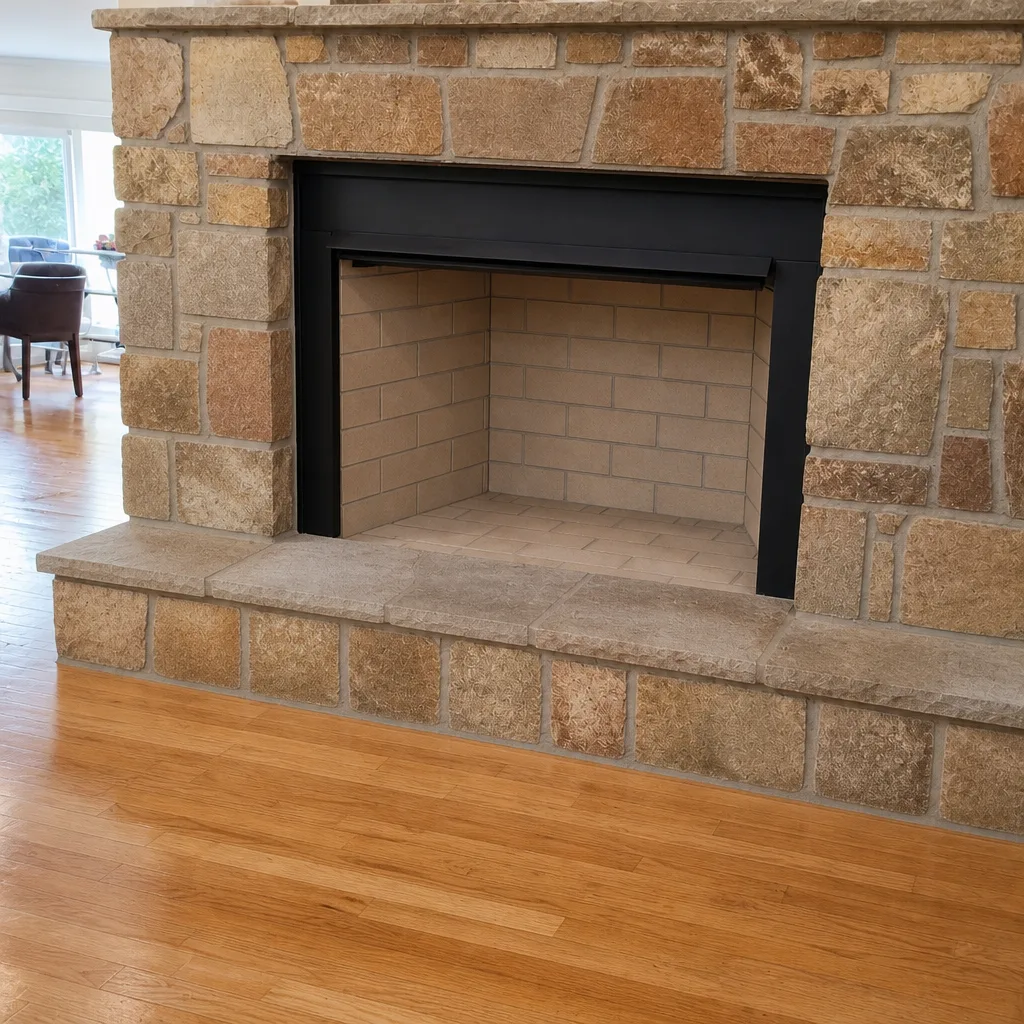
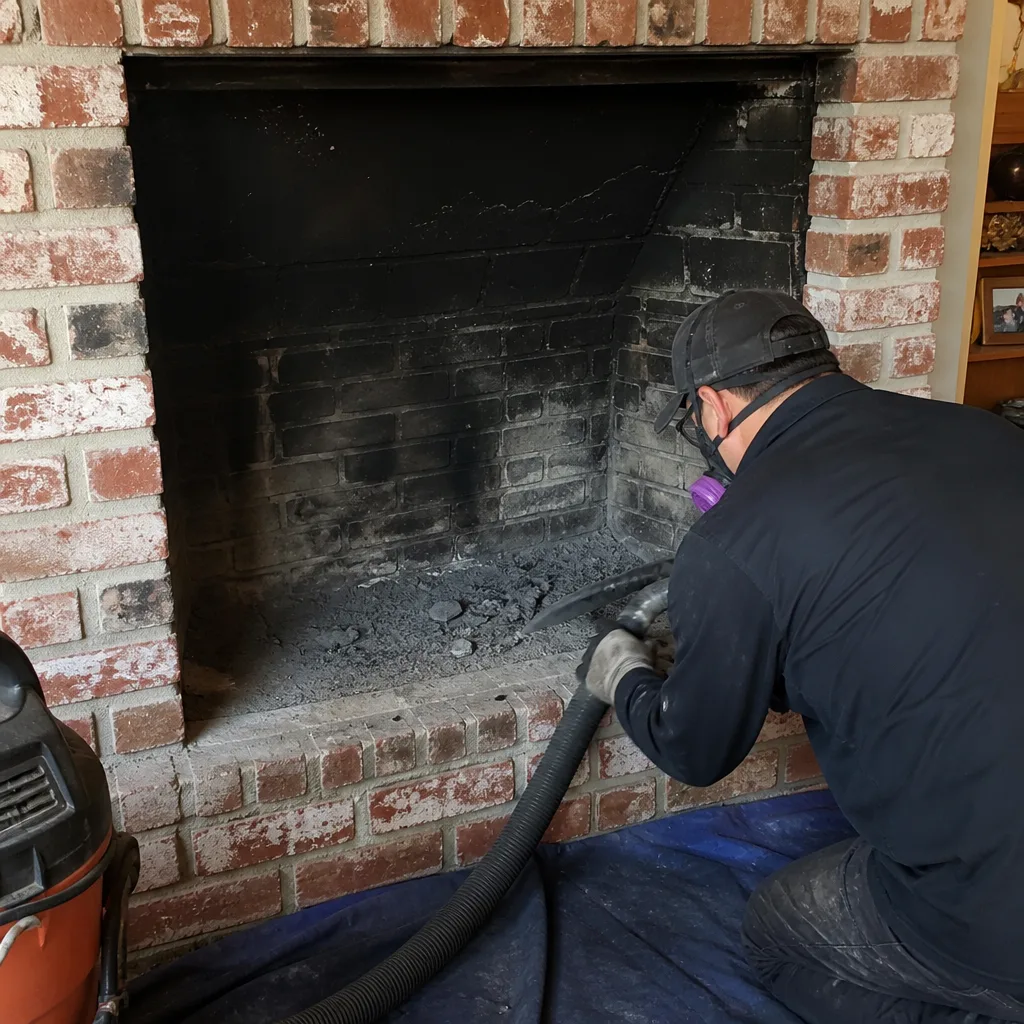
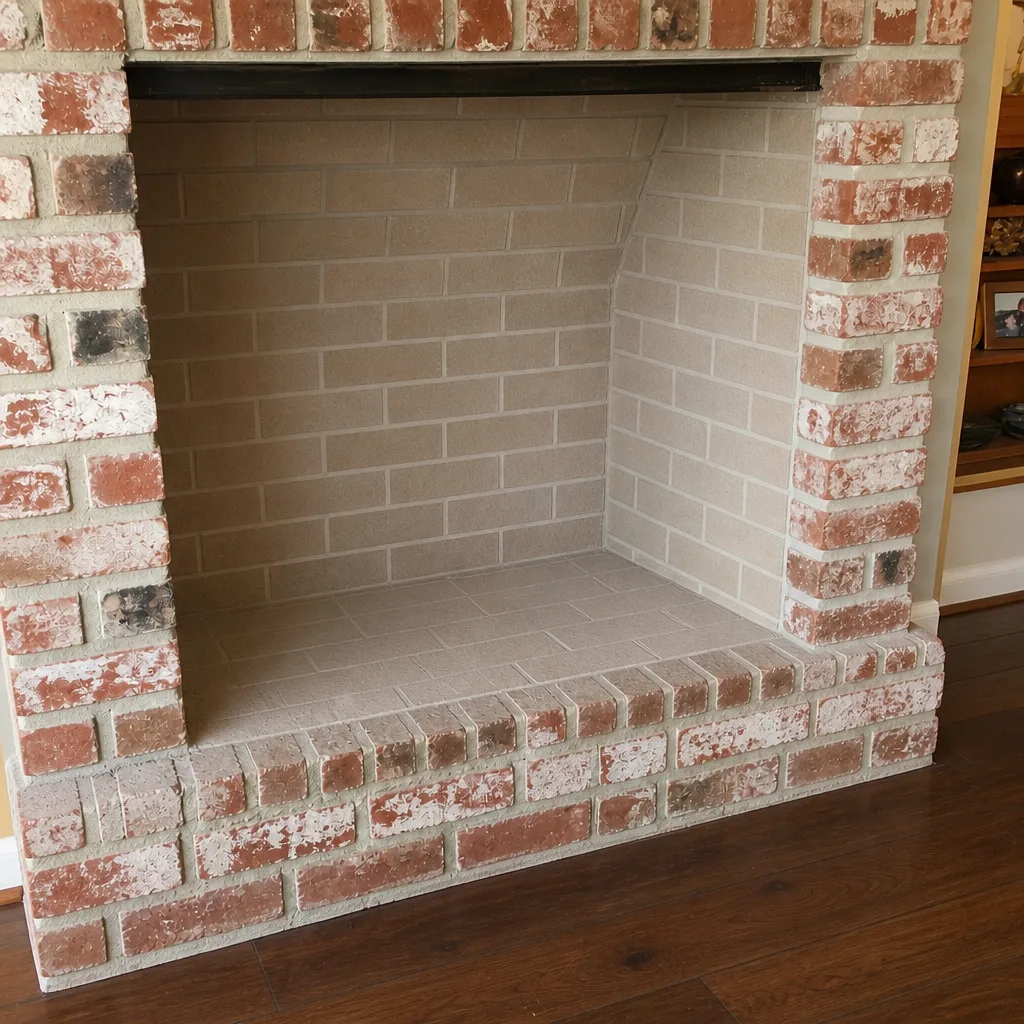
See the difference
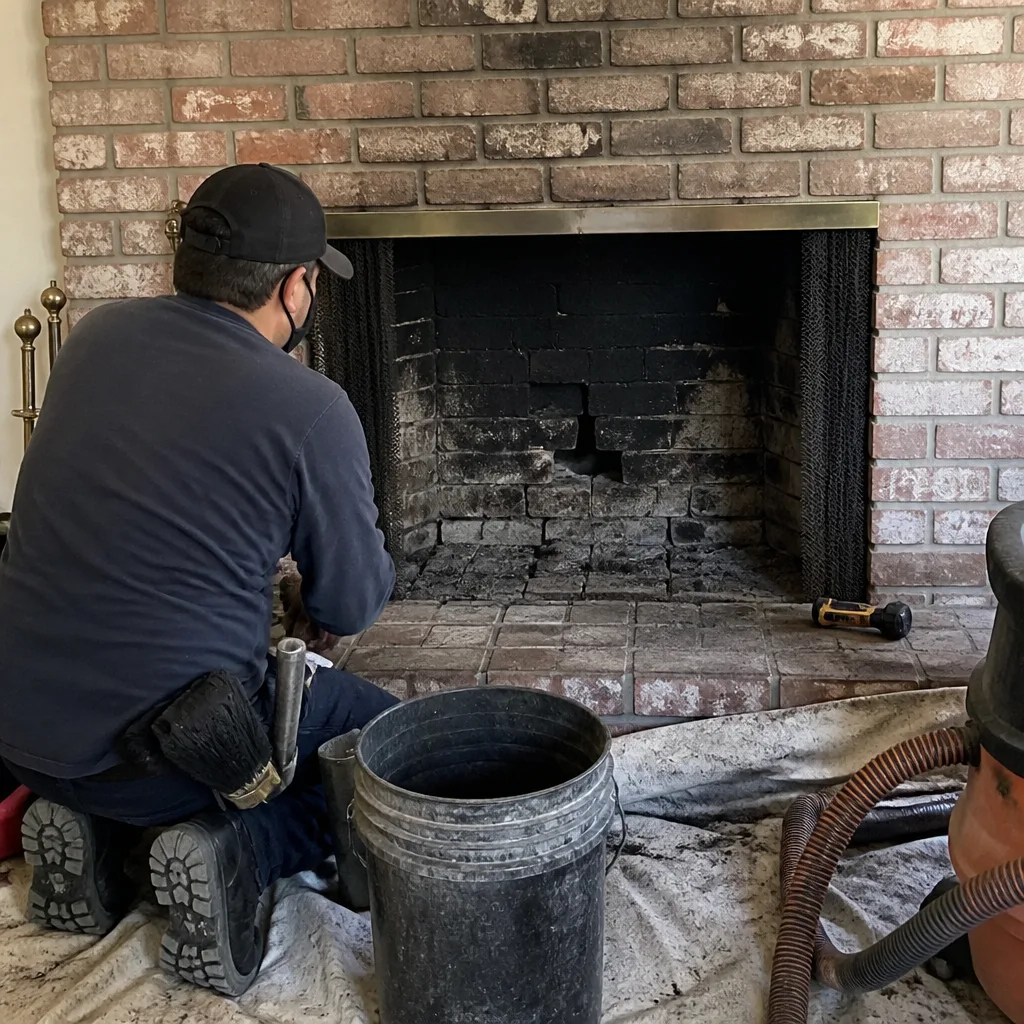 Before
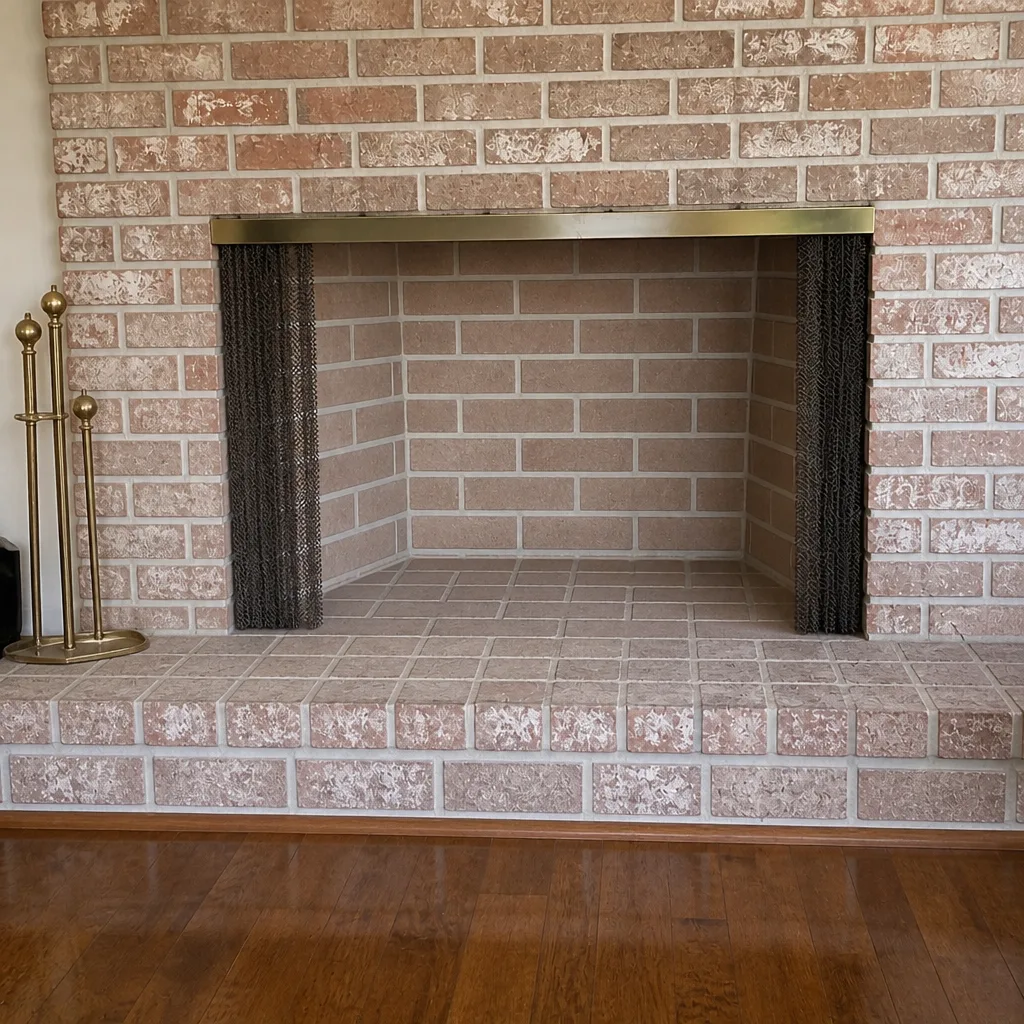 After
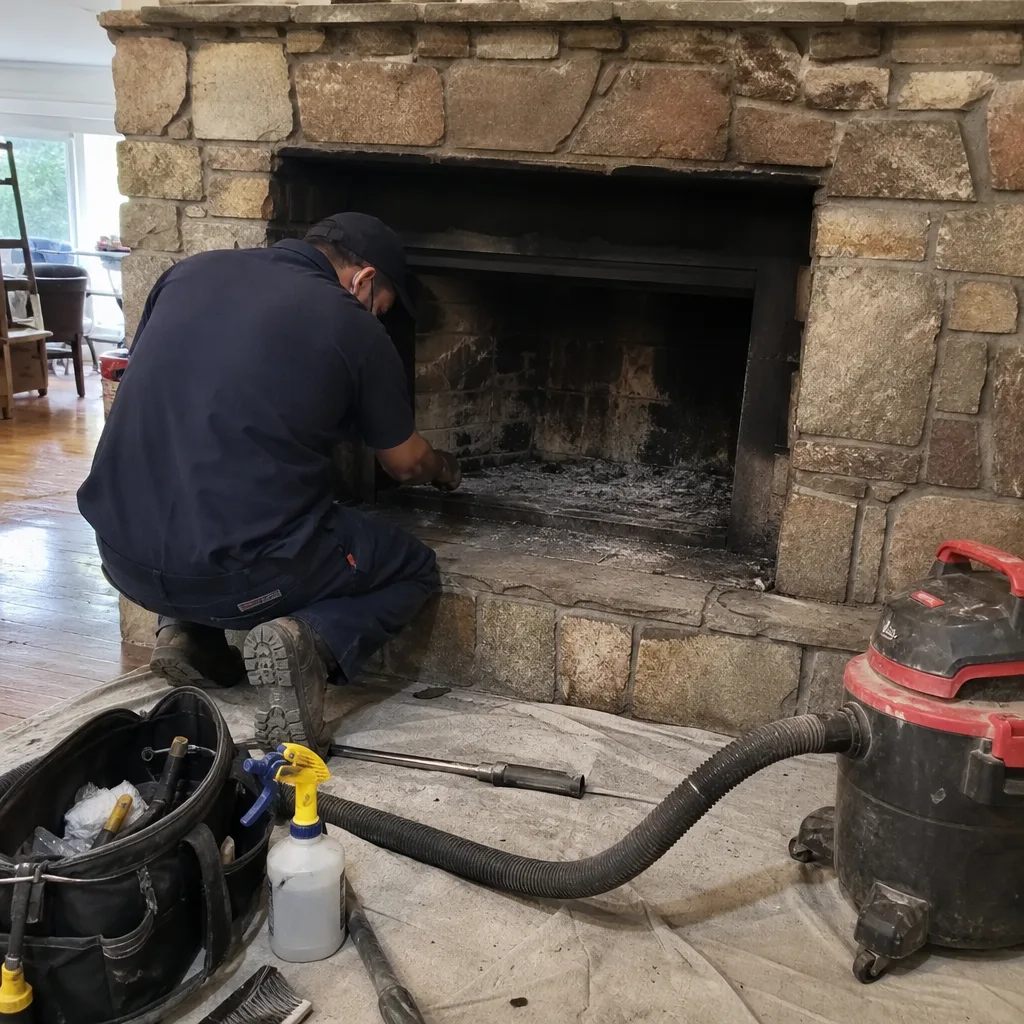 Before
 After
 Before
 After