
Last updated November 4, 2026
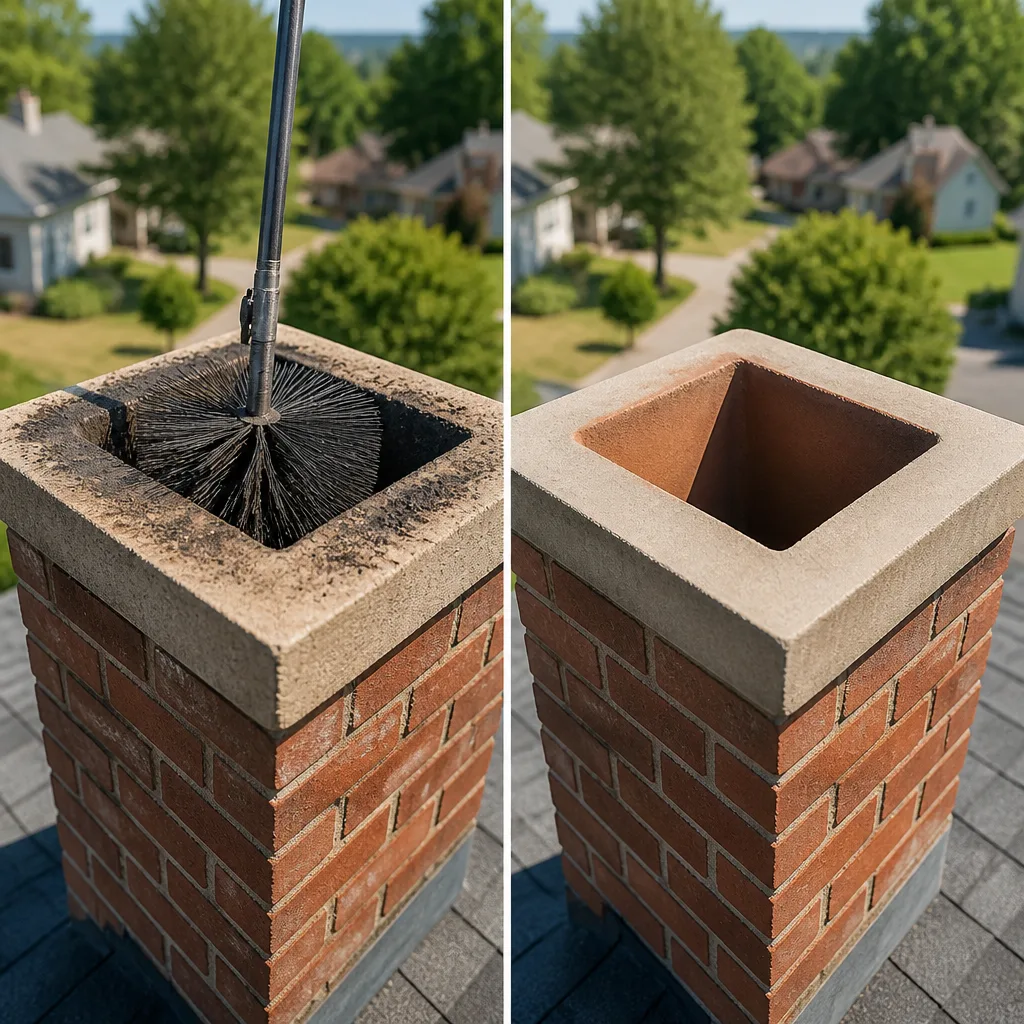 Sweep & inspection
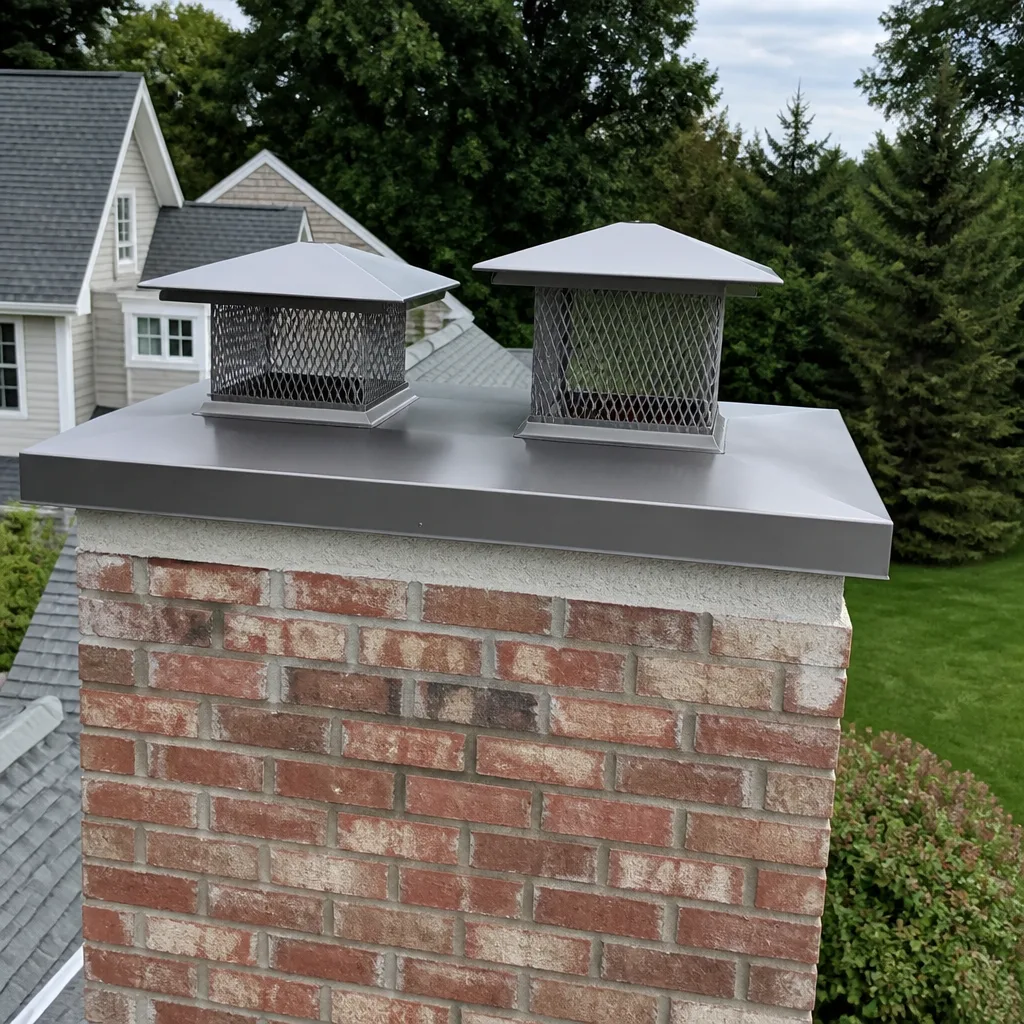 Caps & crowns
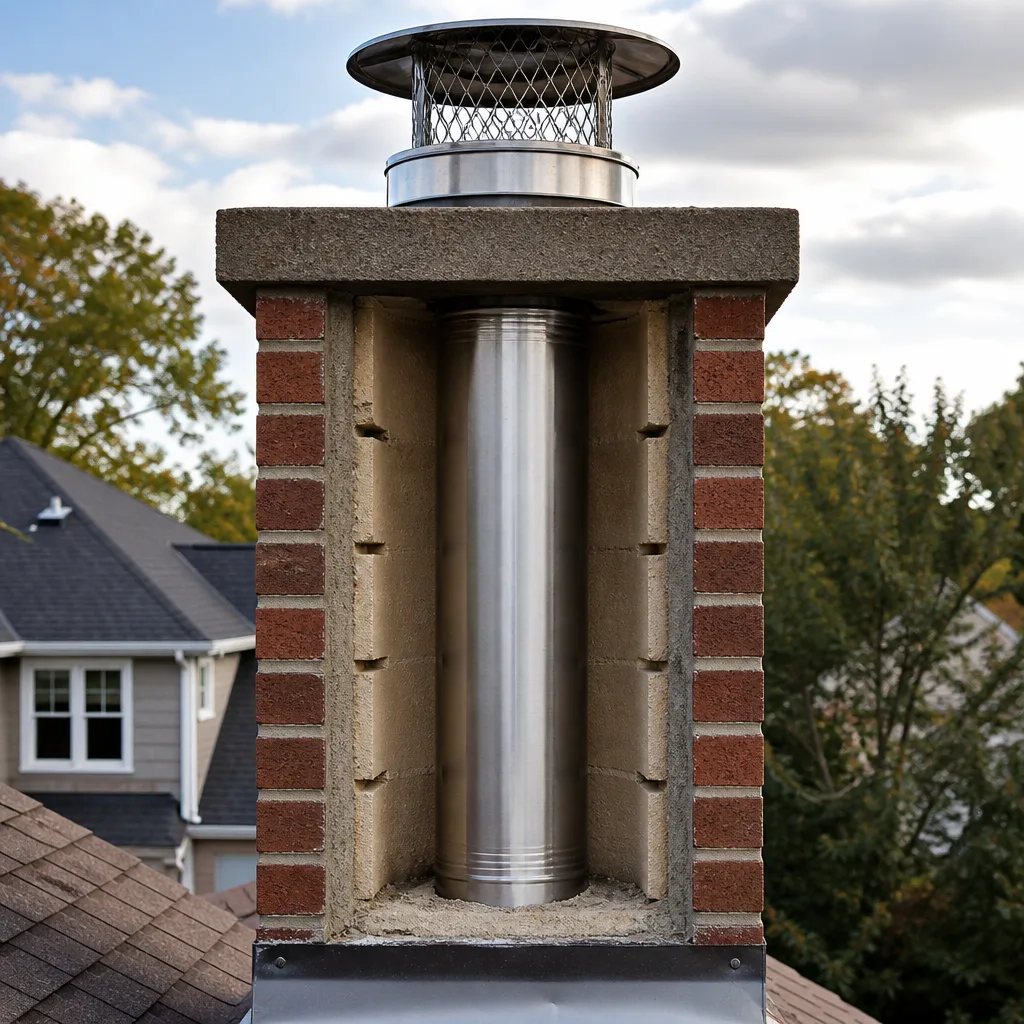 Flue relining
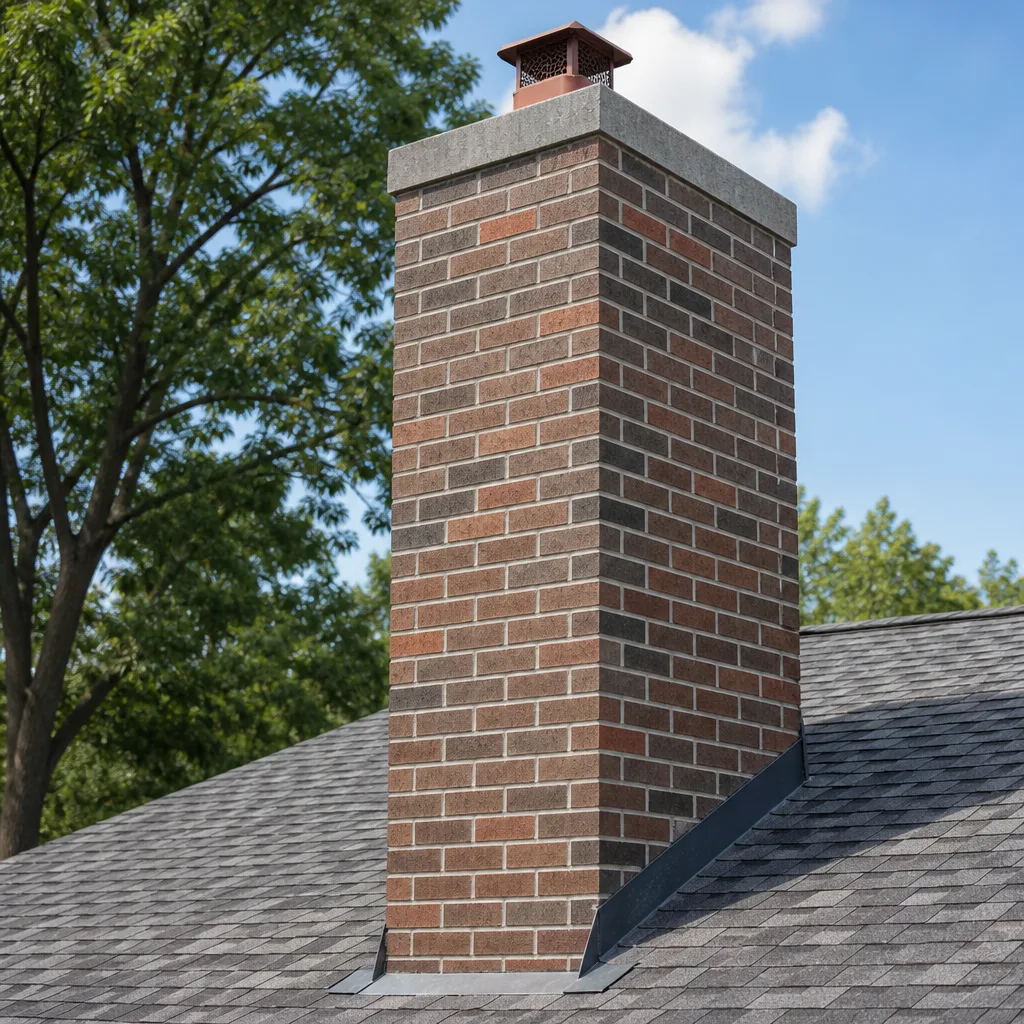 Masonry repair
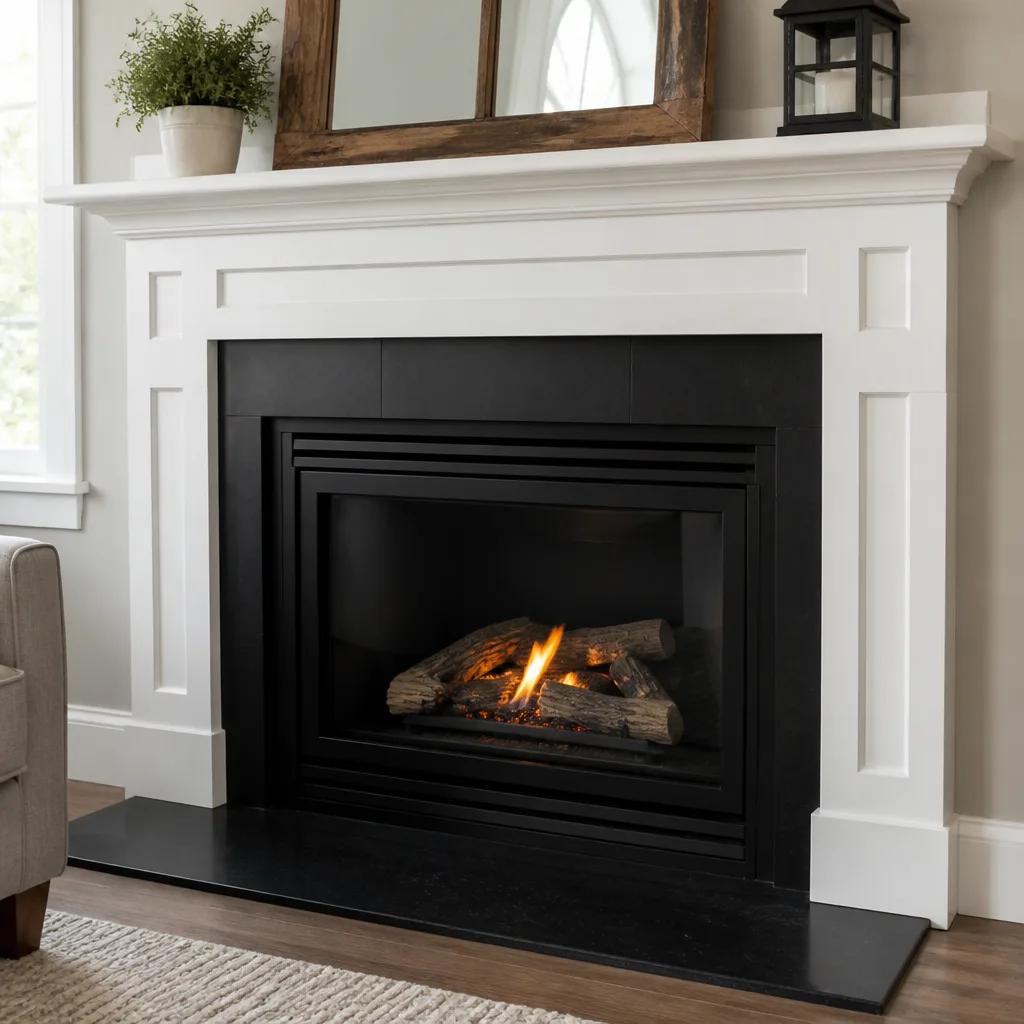 Gas fireplace service
Level 1 sweep and inspection to the NFPA 211 annual standard - flue, crown, cap, and flashing checked and photographed
Chimney sweep logs do not sweep chimneys. They loosen some creosote - which then falls where a brush and vacuum still have to collect it.
Chimney Cleaning Cost Breakdown: The Fremont Homeowner’s Reference for 2026
Most Fremont homeowners shopping for a chimney sweep run into the same wall: one company quotes $89, another $450, and both say they’re doing the same job. The spread isn’t profit margin. It’s the difference between a technician who vacuums out loose soot and one who runs a camera through your flue, documents the creosote stage, fills out an inspection report, and has the training to spot a failing liner before it becomes a $6,000 problem. In Fremont’s mild climate, chimneys get used seasonally, which means creosote sits longer between burns, hardens faster, and quietly damages flue liners that a bargain sweep never sees. This guide walks you through what each line item on a legitimate 2026 Fremont chimney cleaning estimate covers, what drives the price up or down, and how to spot a quote that’s been engineered to get a technician in the door so the real charges start after the ladder goes up.
Styles & brands we work with
- Sweep & inspection
- Caps & crowns
- Flue relining
- Masonry repair
- Gas fireplace service
Quick Answer
A standard chimney sweep and Level 1 inspection in Fremont typically runs $149 to $269 in 2026, depending on roof pitch, chimney height, and creosote buildup. A full-service visit with camera scan, written report, and dryer vent cleaning bundled in lands between $299 and $449. The single biggest cost driver is not the sweep itself, it’s what the technician discovers once the flue is actually inspected, which is exactly why you want a company that documents everything before recommending any repair.
Table of Contents
- Line-Item Cost Ranges for Fremont Chimney Services in 2026
- What Actually Drives Price Variation in Fremont
- How to Read a Chimney Estimate and Spot the Gaps
- The Real Cost of Skipping Sweeps: A 3-Year Case
- Professional-Grade Materials vs. Generic: What the Difference Costs
- Level 1, 2, and 3 Inspections: What Each Unlocks
- Rotary Cleaning vs. Standard Sweep: When the Upgrade Earns Its Price
- Bundling Chimney, Dryer Vent, and Repair Work: When It Saves Money
- Common Mistakes to Avoid
- When to Call a Professional
- Frequently Asked Questions
- The Bottom Line
Line-Item Cost Ranges for Fremont Chimney Services in 2026
Here is what Fremont homeowners should expect to see on a written estimate in 2026, broken down by service. These are typical ranges, not fixed prices. The final number on your written estimate depends on your chimney’s specific condition, height, and accessibility.
| Service | Typical Fremont Range | What It Includes |
|---|---|---|
| Standard sweep + Level 1 inspection | $149 – $269 | Soot and creosote removal from accessible flue, basic visual check of firebox and accessible areas, no camera scan. |
| Sweep + Level 2 camera inspection | $269 – $399 | Full sweep, video scan of entire flue, written report with photos, liner condition assessment. |
| Rotary cleaning (SootEater-style system) | $249 – $399 | Mechanical rod-and-whip creosote removal for stage 2 glaze, more thorough than brush-only sweeps. |
| Level 3 inspection | $500 – $1,500+ | Invasive inspection requiring demolition access to hidden flue sections, only when Level 2 raises concerns. |
| Chimney cap replacement (stainless) | $150 – $450 | Materials and install. Copperfield and Olympia Chimney caps run higher than uncoated sheet metal. |
| Crown repair (minor sealant) | $200 – $500 | Cracks filled with professional-grade sealant. Does not include full rebuild. |
| Crown rebuild | $800 – $1,800 | Full tear-out and re-form with proper overhang and drip edge. |
| Liner relining (DuraFlex flexible stainless) | $2,500 – $5,500 | Stainless liner dropped through existing flue, no full demolition, correct for most wood-burning and gas conversions. |
| HeatShield ceramic flue resurfacing | $2,800 – $6,000+ | Licensed ceramic resurfacing system that restores deteriorating clay liners without replacement. |
| Waterproofing (chimney exterior) | $250 – $600 | Professional-grade masonry sealant application. Must use vapor-permeable product, not hardware store paint. |
| Dryer vent cleaning (bundled) | $89 – $149 add-on | Full run cleaning, airflow check, exterior vent inspection. Stands alone at $129 – $199. |
One thing to note: the $89 special that shows up on coupon sites in Fremont is almost never a complete sweep. It typically covers what the industry calls a “vacuum and go”: loose ash removal from the firebox and a visual glance up the flue. No camera, no written report, no liner assessment. If the flue has stage 2 creosote glaze, which commonly builds up after just one season of occasional fires in Fremont‘s stop-and-start burning pattern, the cheap sweep leaves it in place. You pay $89 and your chimney is no safer than it was before the truck arrived.
We quote a flat price for the sweep before the appointment is booked, and that price holds whether the job takes forty minutes or two hours. The written estimate covers what we’ll do and what it costs. Nothing gets added on the back end unless the camera scan shows something that genuinely needs attention, and you see the footage before we write any repair recommendation.
What Actually Drives Price Variation in Fremont
Fremont’s housing stock runs from single-story Mission San Jose ranchers to steep-roofed contemporary builds in the hills near Niles Canyon. That architectural spread is the single biggest reason two homes on the same street get different chimney cleaning quotes. Labor time is the chimney industry’s real currency, and four factors eat labor time fast.
- Roof pitch and chimney height. A one-story ranch roof with a low chimney is a straightforward ladder job. A two-story home with a steep tile roof and a chimney cap sitting above the ridgeline takes longer to set up, requires more ladder work and fall-protection gear, and costs more. The technician isn’t on the roof at all for some inspections, but for any sweep or repair that requires roof access, pitch and height are the first things we note when quoting.
- Creosote stage. Stage 1 creosote is powdery and brushes off in a standard sweep. Stage 2 is a hard glaze that a brush alone won’t move; it requires rotary cleaning with a mechanical system. Stage 3 is a thick, tar-like layer that carries serious chimney fire risk and often demands chemical treatment followed by rotary work, or liner replacement if it has already cracked the flue. The deeper the stage, the more labor, the higher the cost. Fremont’s mild, damp winters mean chimneys often see intermittent use from November through March, then sit idle for six months. That idle time lets moisture settle into the creosote and harden it. We see more stage 2 buildup in Fremont than we do in colder, more consistent burning climates.
- Accessibility. Trees, power lines, neighboring structures close to the chimney, and landscaping that blocks ladder placement all add setup time. Some Fremont homes in the Niles district have mature oaks and redwoods directly adjacent to chimney stacks, and that access challenge shows up in the estimate.
- What the appointment includes. A sweep-only visit costs less because it does less. A full safety visit that includes sweep, camera scan, written report, and dryer vent cleaning costs more because it verifies more. Comparing the two solely on price is comparing two different services wearing the same label.
When we build a chimney sweep quote for a Fremont home, we ask about roof type, chimney height, and when the chimney was last serviced before we give a number. That’s not because the price is negotiable. It’s because the price should reflect the job as it actually exists, not the job as a dispatcher imagines it from a phone call.
How to Read a Chimney Estimate and Spot the Gaps
A written chimney estimate is either a real plan or a cost-cutting signal. Fremont homeowners who learn to read one line item at a time stop overpaying for thin work and stop being surprised by bills that balloon after the first hour.
Here is what a complete estimate from a professional chimney contractor includes, and what a stripped-down one leaves out.
- Inspection level named. “Chimney sweep, $199” is not an inspection. A real estimate says “Standard sweep with Level 1 inspection” or “Sweep with Level 2 camera inspection.” If the level isn’t named, the technician isn’t obligated to document anything beyond what he sees from the firebox.
- Camera scan line item. Camera scans are the only way to assess a liner’s interior condition. If a quote omits this line, the company cannot tell you whether your flue has hairline cracks, hidden creosote packing, or a slipped liner tile. A sweep without a camera is a visual guess.
- Written report included. If the estimate does not include a written inspection report with photos, you have no documentation of what the technician saw. That means no evidence for an insurance conversation, no baseline for next year’s comparison, and no way to verify a repair recommendation.
- Material brands specified for any repair. “Liner replacement, $4,800” with no brand named is a blank check. A professional estimate says “DuraFlex stainless steel liner, X feet, installed.” Generic language usually means generic or unspecified material, and the longevity difference matters.
- Scope note on brick and mortar work. Crown repair, tuckpointing, and flashing work should specify what gets repaired, with what material, and what remains untouched. Vague scope notes invite change orders once the masonry is opened up.
- Permit language if applicable. Many Fremont chimney repairs are straightforward and do not require a permit, but liner replacements and structural work sometimes do. A professional estimate addresses the question directly rather than leaving you to discover it during the job.
Here’s the pattern to watch for: an estimate that undercuts competitors by $100 to $150 is often missing the camera scan and the written report. Those two items cost the contractor real time and real equipment. A company that doesn’t include them isn’t being efficient. It’s selling a different, thinner service under the same words.
In our experience, the estimates that raise red flags are the ones with one line and no detail. If the whole scope fits in a sentence, the inspection almost certainly won’t fit in the flue.
The Real Cost of Skipping Sweeps: A 3-Year Case
A $200 annual sweep feels optional when the fireplace only gets used fifteen or twenty nights a year. But creosote doesn’t care how often you burn; it cares about how hot the fire burns and how much moisture is present. Fremont’s cool, damp winter air and short burn cycles create cool, smoky starts that leave creosote deposits even during brief use.
Here is what typically happens when a Fremont wood-burning fireplace goes three years without a sweep.
- Year 1: The flue has a stage 1 creosote film. A standard sweep removes it in thirty to forty-five minutes. Cost: about $200.
- Year 2: The film has thickened and hardened into stage 2 glaze in the cool-idle pattern common to Fremont’s on-again, off-again burning season. A brush alone won’t remove it; the job now requires rotary cleaning or chemical treatment. Cost: $300 to $400 for the cleaning, plus the price of a camera inspection to check whether the glaze has already started damaging the liner.
- Year 3: The stage 2 glaze has now had three Fremont winters to interact with flue gases and moisture. Hairline cracks appear in a clay liner, or the existing stainless liner shows pitting. The chimney now needs either a HeatShield resurfacing job or a DuraFlex stainless reline, not a sweep. Cost: $2,800 to $6,000.
The math is uncomfortable because it’s front-loaded. Three annual sweeps at $200 each total $600 over three years. The alternative is a $3,000 to $6,000 liner replacement in year three or four, on top of whatever the sweep costs once the damage is found. Skipping sweeps doesn’t save money; it defers a small cost into a large one.
That said, not every chimney needs aggressive intervention. If a camera scan shows a stage 1 film and an intact liner, we say so in the report, and the recommendation is simple: sweep on schedule. We do not sell repairs that the camera evidence doesn’t support. The whole point of documentation is that you can see what we’re seeing before you decide anything.
Professional-Grade Materials vs. Generic: What the Difference Costs
When a chimney repair quote comes in low, one of the first things we look at is what materials the contractor plans to use. Chimney parts have a brutal job: they live outside in rain and sun, they cycle through heat and cold, and they carry combustion byproducts that are chemically aggressive. The hardware store version of a chimney component is not built for that job.
Here is where the material line items separate a specialist from a generalist.
- Liners. A DuraFlex flexible stainless steel liner is manufactured for continuous exposure to flue gas condensate and the mechanical stress of thermal cycling. A generic flexible liner may be thinner gauge, weld-joined instead of machine-locked, or made from an alloy that corrodes under wood-burning conditions. The material cost difference on a typical Fremont reline is $300 to $600. The lifespan difference is measured in decades.
- Ceramic resurfacing. HeatShield is a licensed application system, not a product you buy off a shelf. Technicians are trained and authorized to apply it, and it is designed specifically to restore the interior surface of a deteriorating clay liner. That training and system cost money, which is why HeatShield quotes run higher than a quote for a local mason who “can patch it.” The difference is a structural restoration versus a cosmetic one.
- Caps. A Copperfield or Olympia Chimney stainless cap is formed from full-grade stainless and built to shed rain, block spark egress, and resist rust for the life of the chimney. A galvanized hardware store cap rusts through at the seams, usually within five years, and sends rust streaks down the chimney chase. The cost gap is $60 to $120. The lifespan gap is decades.
- Sealants and waterproofing. Professional masonry waterproofing is vapor-permeable: it blocks rain from entering the brick while allowing moisture from inside the flue to escape. Hardware store masonry paint is often vapor-impermeable, which traps moisture inside the brick and accelerates spalling. The right product applied once outperforms the wrong product applied every two years.
We build every repair and restoration with professional-grade materials: DuraFlex, HeatShield, Gelco, and Copperfield are the brands we put in homes, because they’re the ones that hold up under conditions a generic part never sees. When we recommend a repair, the estimate names the material, and the work is done so it lasts, not patched so it passes.
If you’re comparing quotes in Fremont and one is a mystery on materials, ask the question outright: “What brand of liner, or cap, or sealant are you using?” A professional contractor answers without hesitating. A broker or a handyman changes the subject.
Level 1, 2, and 3 Inspections: What Each Unlocks
Chimney inspection levels are industry-standard classifications, but most homeowners never hear about them until something goes wrong. Here is what each level covers and when it applies.
Level 1 inspection. This is the inspection that accompanies a routine sweep. It covers the accessible portions of the chimney: the firebox, damper, flue interior that can be seen from the top or bottom, and the exterior chimney structure. No camera scan, no hidden-access demolition. A Level 1 is appropriate for a chimney that has had no changes in use and no recent damage or malfunction. Most Fremont annual sweeps include a Level 1.
Level 2 inspection. This is the camera scan inspection. It includes everything in a Level 1, plus the interior of the entire flue via video, the attic and crawlspace portions of the chimney where accessible, and the exterior structure in more detail. A Level 2 is required when the home is being sold or transferred, when the heating appliance or fuel type changes, after a chimney fire or building fire, or after a seismic event. In Fremont’s real estate market, we run more Level 2 inspections for home sales than almost any other single reason. Buyers want to know the flue isn’t hiding a $5,000 problem, and sellers want documentation in hand before the inspection contingency deadline arrives.
Level 3 inspection. This is the invasive inspection. It involves removing building material, such as interior chimney chase walls or portions of the masonry, to access concealed flue sections. A Level 3 is only performed when a Level 2 camera scan has already identified a problem that cannot be assessed without opening the structure. Level 3 inspections are the most expensive and the least common, and they are never a routine upsell. They exist to answer a specific question about a specific hidden area.
When we quote a sweep in Fremont, we quote the inspection level that matches the known situation. If the camera scan during a Level 2 finds a concern that requires going further, we stop and show you the footage before anyone opens a wall. No demolition happens on a guess.
Rotary Cleaning vs. Standard Sweep: When the Upgrade Earns Its Price
A standard chimney sweep uses a wire or poly brush sized to the flue, run from the top or bottom to knock loose stage 1 creosote and soot. It works well when buildup is light and fluffy. It does not work well on stage 2 glaze, which is the hardened, tar-like layer that forms when creosote goes through repeated heating and cooling with moisture present.
Rotary cleaning uses a mechanical system, typically a SootEater-style rod-and-whip head driven by a drill, to spin hard against the flue walls and break up stage 2 glaze without damaging the liner. It takes longer, uses more specialized equipment, and costs $100 to $150 more than a standard sweep. The question is when it’s worth paying for.
Here is the honest answer. If your chimney has been swept annually and the flue shows only stage 1 film, a standard sweep is sufficient, and we won’t press you to upgrade. If the camera scan shows stage 2 glaze, or if the chimney is being used for the first time after several years, a rotary cleaning is usually the correct call. Attempting to brush off stage 2 glaze with a standard brush leaves the hardened layer in place and gives you a false sense that the chimney is clean.
In Fremont, the start-stop burning pattern I mentioned earlier means that stage 2 glaze is common in chimneys that have gone even two years between sweeps. The damp winter air and cool chimney starts create exactly the conditions that harden creosote. We see more rotary cleaning jobs here than in drier, more consistent burning climates, and it’s not because Fremont homeowners burn more wood. It’s because the combustion conditions are less favorable for clean burns.
The camera scan is what tells you whether a standard sweep or a rotary cleaning is right for your chimney. That’s the line item on the estimate that turns a guess into a decision.
Bundling Chimney, Dryer Vent, and Repair Work: When It Saves Money
Most Fremont homes have three separate ventilation systems that almost never get thought about at the same time: the chimney, the dryer vent, and the kitchen or bath exhaust. A chimney-only company services one. A general handyman patches around the edges of all three. A specialist puts all three under one service relationship.
Bundling a chimney sweep with dryer vent cleaning saves labor time on two fronts. First, the technician is already at your home with the ladders, the drop cloths, the vacuum, and the inspection camera. Adding a dryer vent run to the visit uses equipment and travel that’s already paid for. Second, the written report you receive covers both systems, which gives you a single document that establishes the safety baseline for the whole home’s ventilation.
Combined pricing for a sweep plus dryer vent cleaning typically runs $299 to $449 in Fremont, depending on chimney height and dryer vent length. That’s meaningfully less than booking the two services separately, and it means one appointment, one technician, one report.
The same logic applies to repair discovery. If a camera scan during a sweep finds a deteriorating liner, we’re already on the roof, already set up, and already looking at the flue. We can quote the repair from real observation, not a guess from a phone description, and the repair can often be scheduled without a second diagnosis visit. You don’t pay for a sweep, pay for a separate repair estimate, and then pay for the repair. The diagnosis and the fix happen in one service relationship.
That’s the difference between a company that sweeps chimneys and a company that takes responsibility for the ventilation system as a whole. We repair what others only report, because we’re already set up to see it, quote it, and fix it.
Common Mistakes to Avoid
- Chasing the $89 special. A loss-leader price gets a technician to your door, but the service almost never includes a camera scan, a written report, or true creosote removal. You end up paying for the upsell or walking away with a chimney that’s no cleaner than it started.
- Comparing quotes without comparing scope. A $200 sweep with no inspection level named and a $350 sweep with a Level 2 camera inspection are not the same service. Compare the line items, not just the bottom line.
- Accepting a repair recommendation without seeing the footage. If a technician tells you the liner is cracked but can’t show you the camera scan, get a second opinion. We show the footage before we write the repair estimate, and you should expect the same from any professional.
- Waterproofing with the wrong product. Hardware store masonry paint traps moisture inside the brick and accelerates spalling in Fremont’s seasonal dampness. Professional chimney waterproofing uses vapor-permeable sealant, and the brand matters.
- Skipping the dryer vent because “the dryer seems fine.” Dryer vents clog slowly, and by the time lint buildup reduces airflow enough to notice, the duct has been running hot for months. Chimney Cleaning Fremont treats dryer vents as a fire-safety system, not an add-on.
- Assuming one sweep every five years is enough. The National Fire Protection Association recommends annual inspection and sweeping as needed. In Fremont’s damp, intermittent burning climate, annual sweeps keep stage 1 creosote from hardening into stage 2 glaze that costs double to remove.
- Hiring a generalist for a specialist job. A handyman can vacuum out a firebox. He cannot run a camera scan, apply HeatShield resurfacing, or install a DuraFlex liner system. The chimney is the one home system that directly connects to fire risk. That’s the system to put in trained hands.
When to Call a Professional
Some jobs in a home can wait, and some can be done with a YouTube tutorial and a trip to the hardware store. A chimney is not one of them. Call a professional if you smell smoke in the house when the fireplace isn’t in use, if you see black creosote flaking inside the firebox, if the damper won’t fully open or close, if you hear animals in the flue, or if it has been more than a year since the last inspection. A chimney fire can burn hot enough to crack a liner in minutes, and you won’t know it happened until the next rain or the next fire. Chimney Cleaning Fremont offers free estimates in Fremont. Call (844) 980-4364. We answer 24/7. Fast dispatch from 7am to 7pm, Sunday through Friday.
Frequently Asked Questions
A standard sweep with Level 1 inspection in Fremont typically runs $149 to $269, and a full-service visit with camera scan and written report lands between $269 and $399. The final price is set by roof pitch, chimney height, creosote stage, and what the inspection uncovers. Call (844) 980-4364 for an exact quote, estimates are free.
Fremont quotes vary because companies are selling different scopes under the same label. A low quote usually omits the camera scan, the written report, or both, and often covers only a surface vacuum rather than full creosote removal. A full-service quote includes documentation, inspection level, and professional-grade materials if any repair is needed.
You can verify the answer yourself by asking to see the camera scan footage. A cracked clay liner, a slipped tile, or serious pitting on a stainless liner is visible on screen. If a contractor recommends a liner and won’t show you the video evidence, get a second opinion. We show the footage before we write any liner recommendation, and if the liner is intact, we say so plainly.
Annually, with the sweep performed before the burning season begins. Fremont’s damp winters and intermittent fireplace use mean creosote hardens between burns more readily than in dry, consistent-burning climates, so an annual sweep is the simplest way to keep stage 1 film from becoming stage 2 glaze.
Skipping a year or two lets creosote build up and harden. By the third skipped year, the flue often needs a rotary cleaning instead of a standard sweep, and the liner may have begun to crack. What would have been a $200 annual job becomes a $300 to $400 rotary cleaning or a $2,800 to $6,000 liner repair.
Yes. A clogged dryer vent is a leading cause of residential fires, and it is a ventilation system, just like the chimney. Bundling dryer vent cleaning with a chimney sweep covers the whole home’s exhaust picture in one visit and costs less than booking the two services separately. Call (844) 980-4364 to ask about combined pricing, estimates are free.
The Bottom Line
Fremont chimney cleaning quotes range from $89 to $450 for what appears to be the same job, but the gap is scope, not profit margin. A real sweep includes a documented inspection, a camera scan, a written report, and professional-grade materials for any repair that follows. A cheap sweep includes none of that and leaves your flue’s true condition unknown. In Fremont’s mild but damp climate, creosote hardens quickly, and deferred maintenance turns a $200 annual job into a $3,000 to $6,000 liner replacement. The right question isn’t “what’s the lowest price?” It’s “what does the price include?” We build quotes around the answer.
Written by the team at Chimney Cleaning Fremont, serving Fremont since 2011.
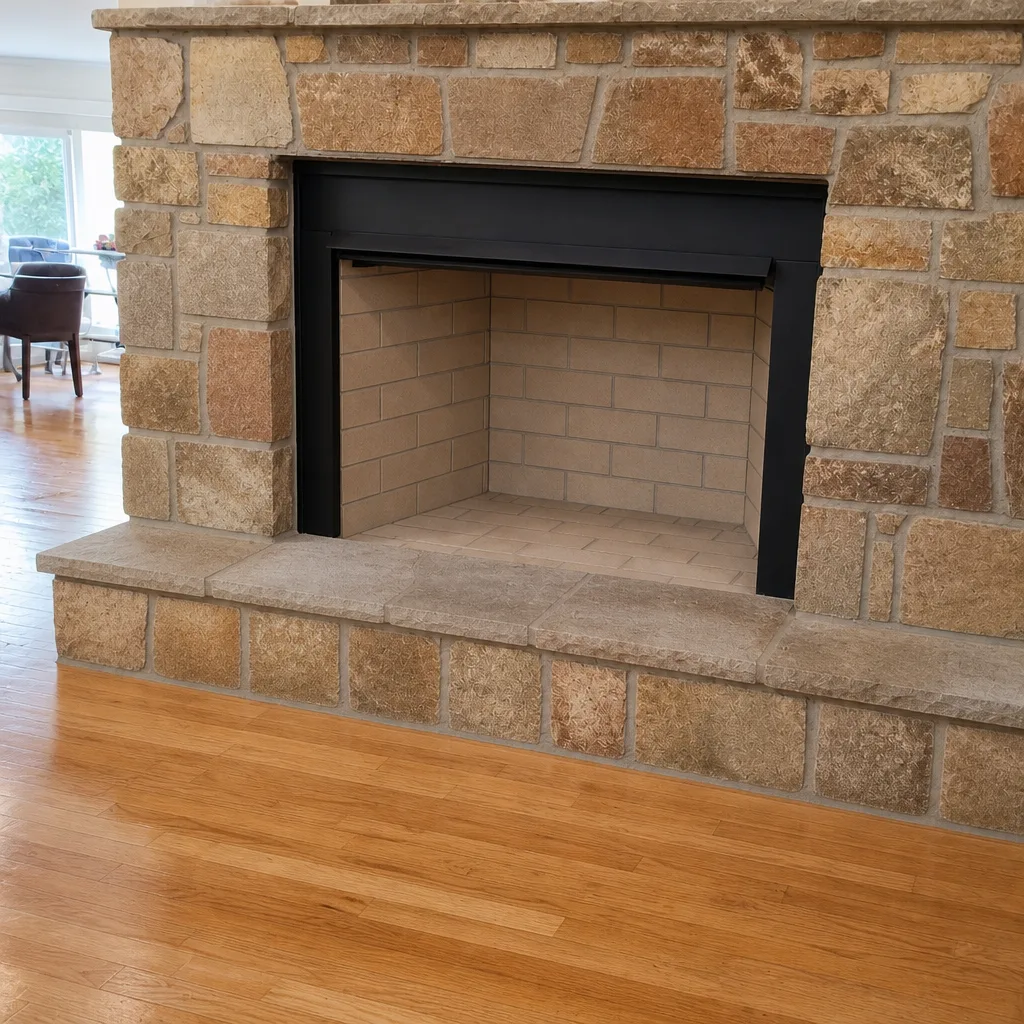
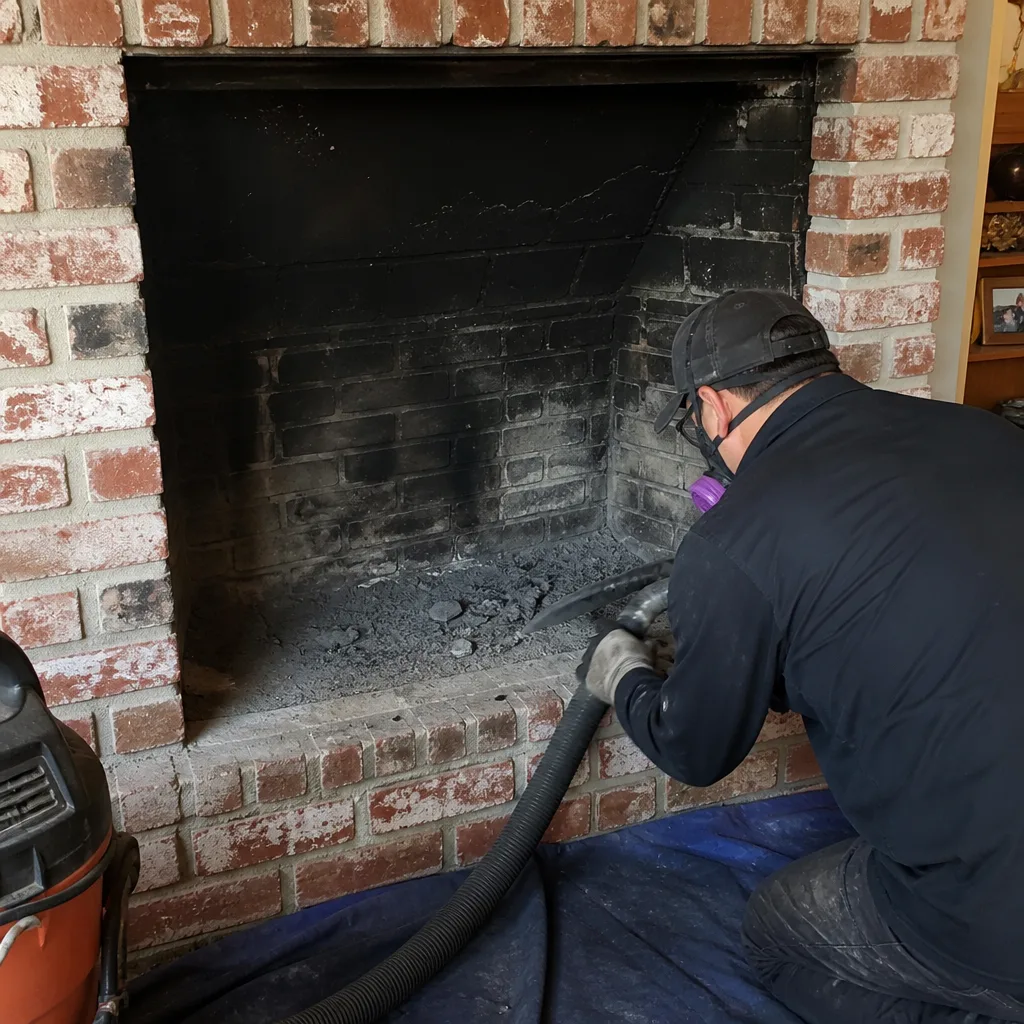
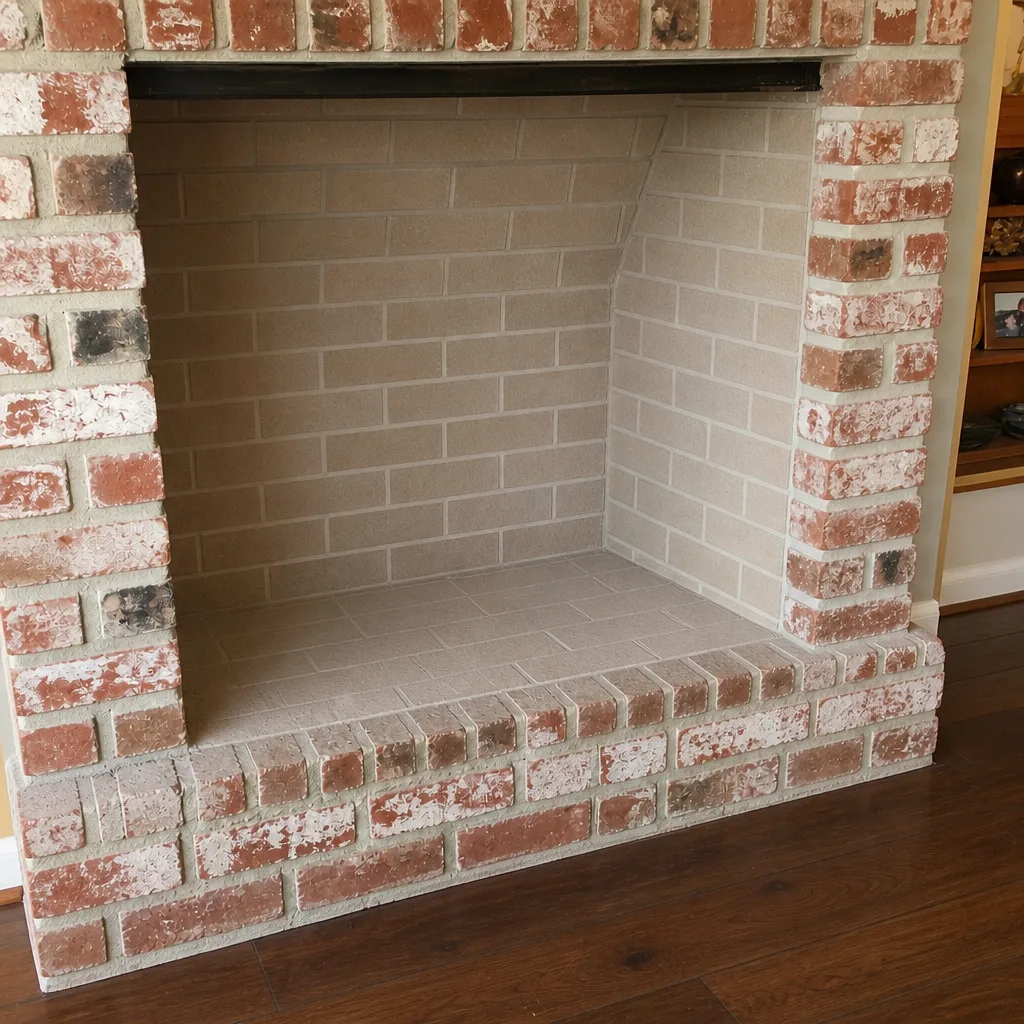
See the difference
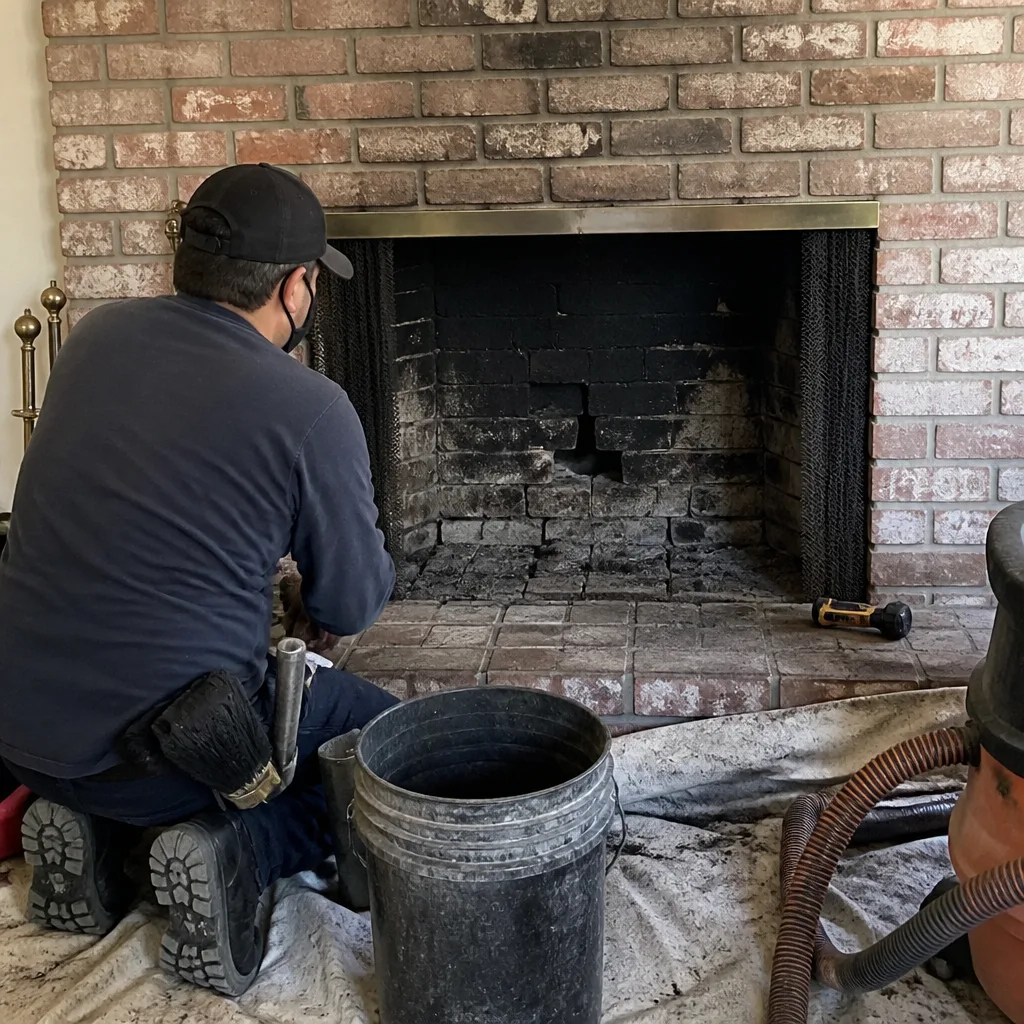 Before
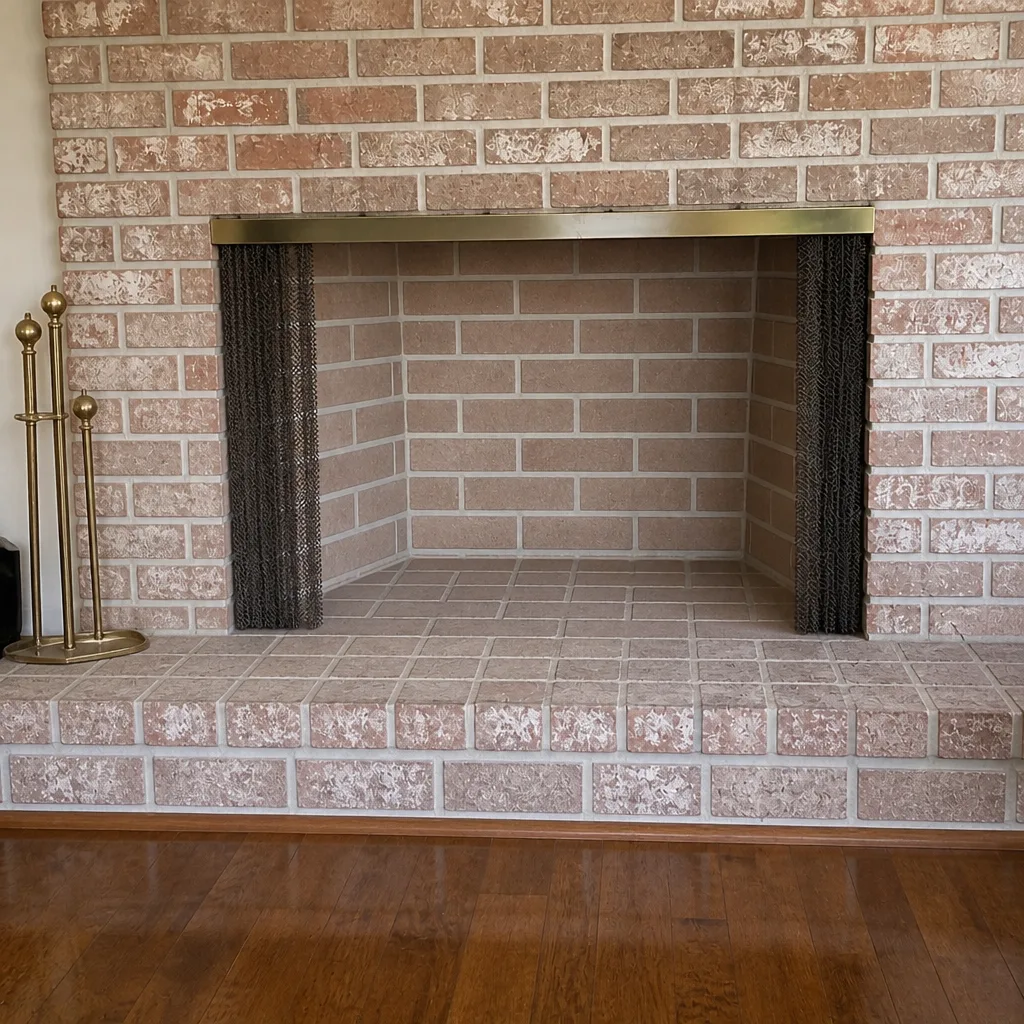 After
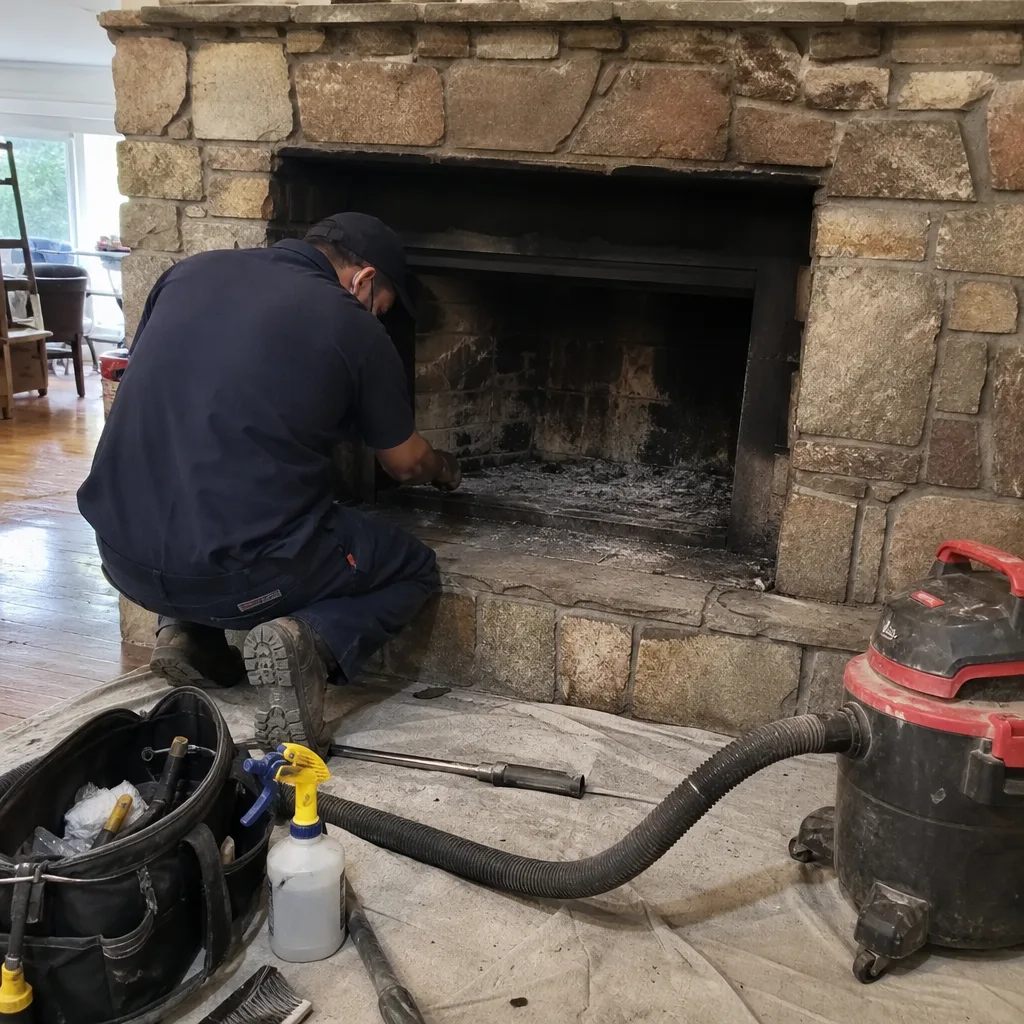 Before
 After
 Before
 After