
Last updated November 4, 2026
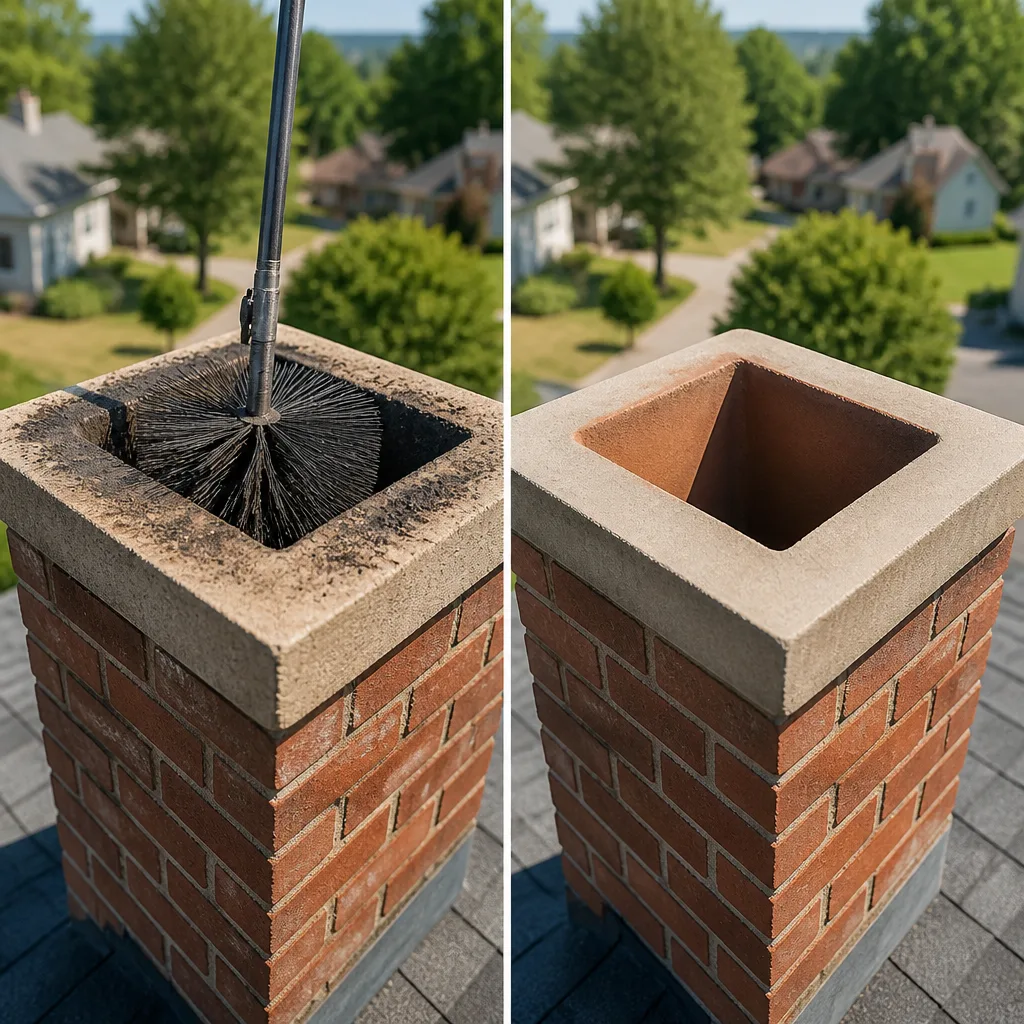 Sweep & inspection
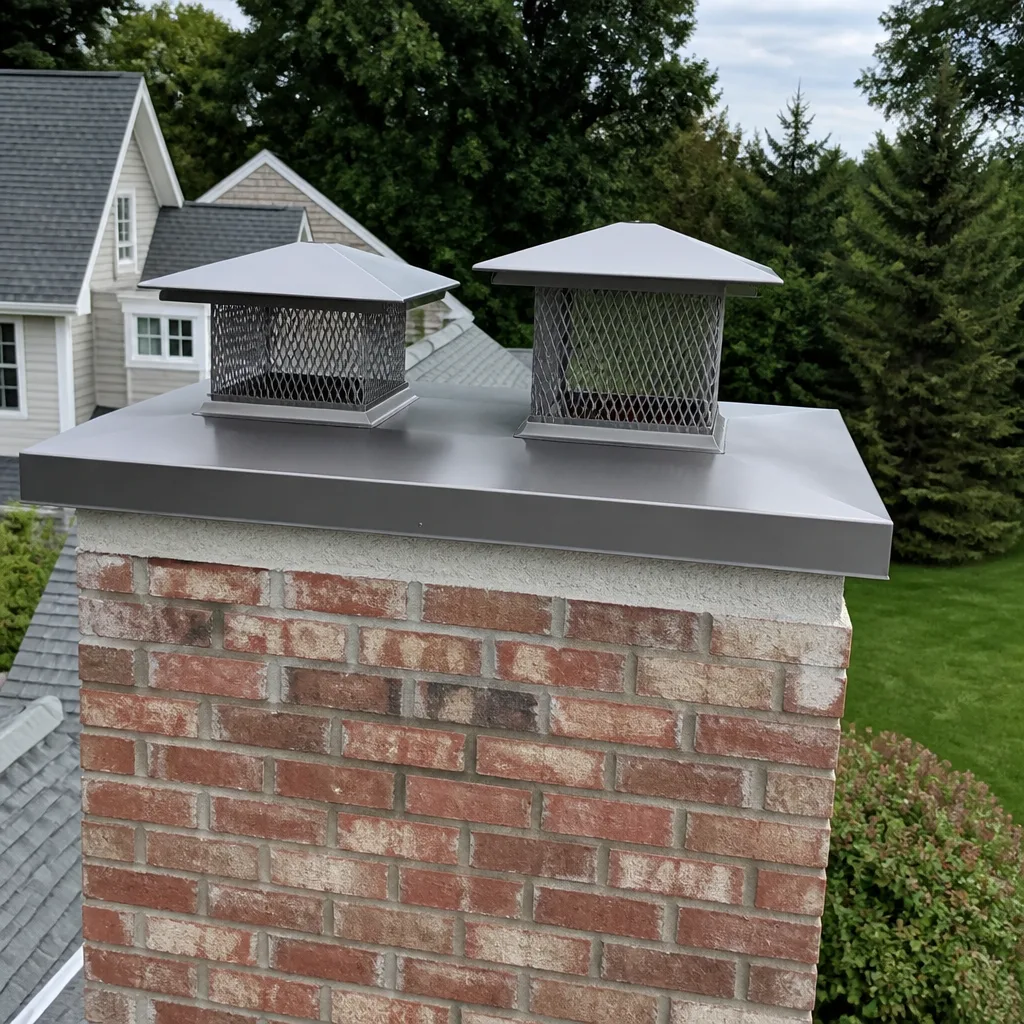 Caps & crowns
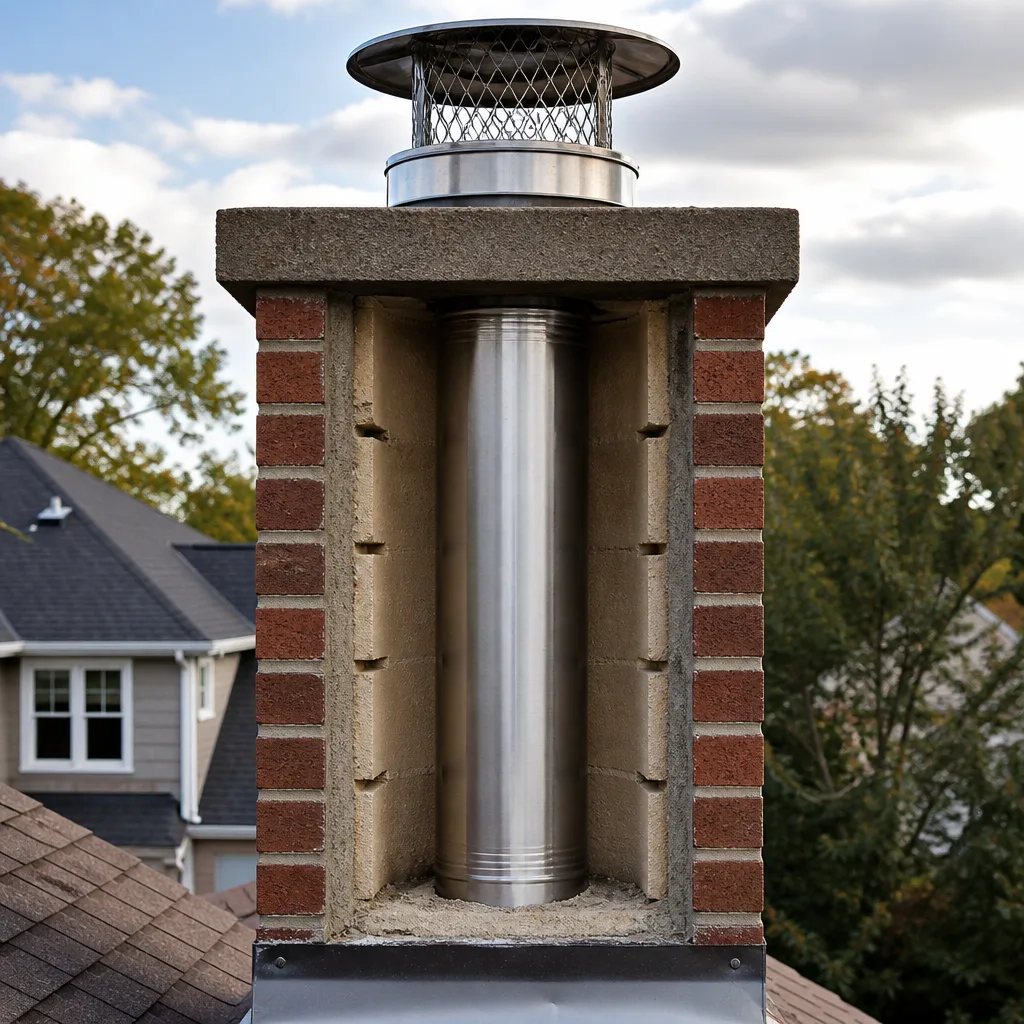 Flue relining
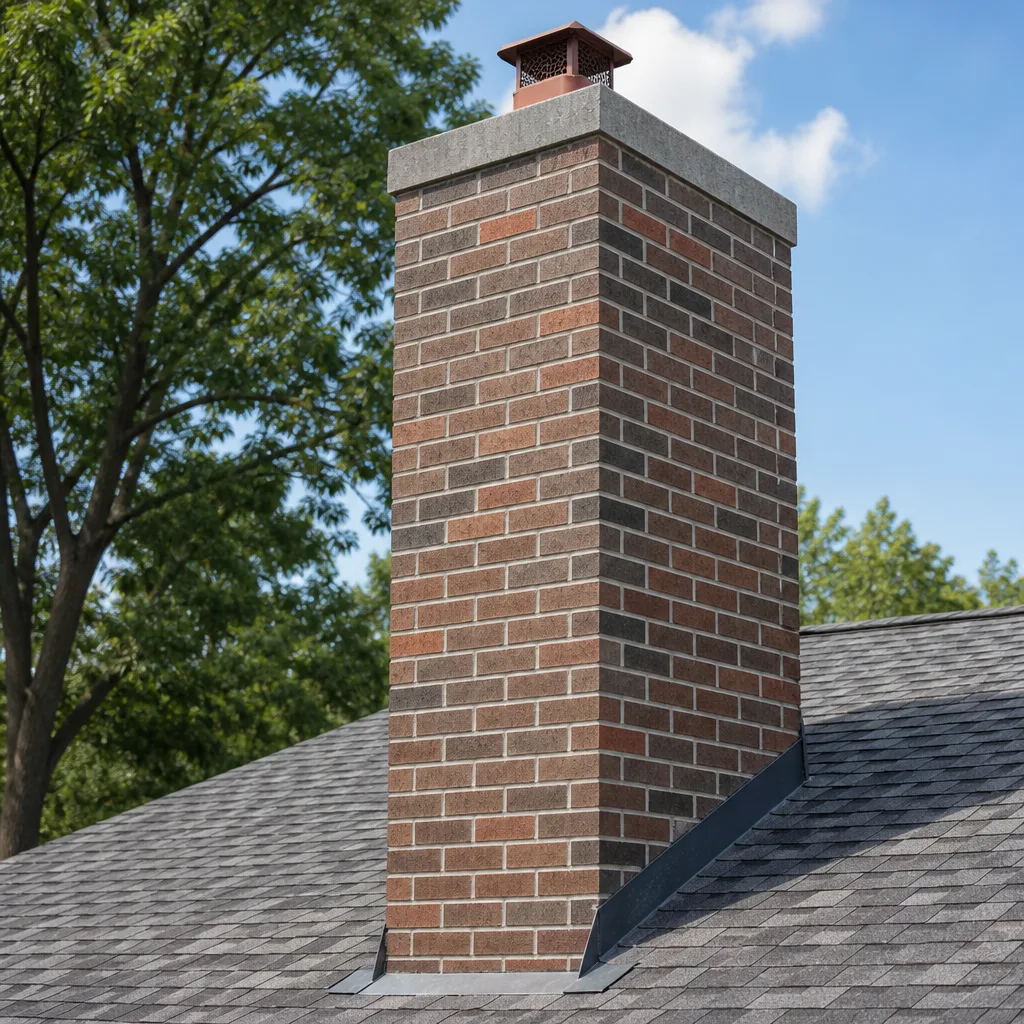 Masonry repair
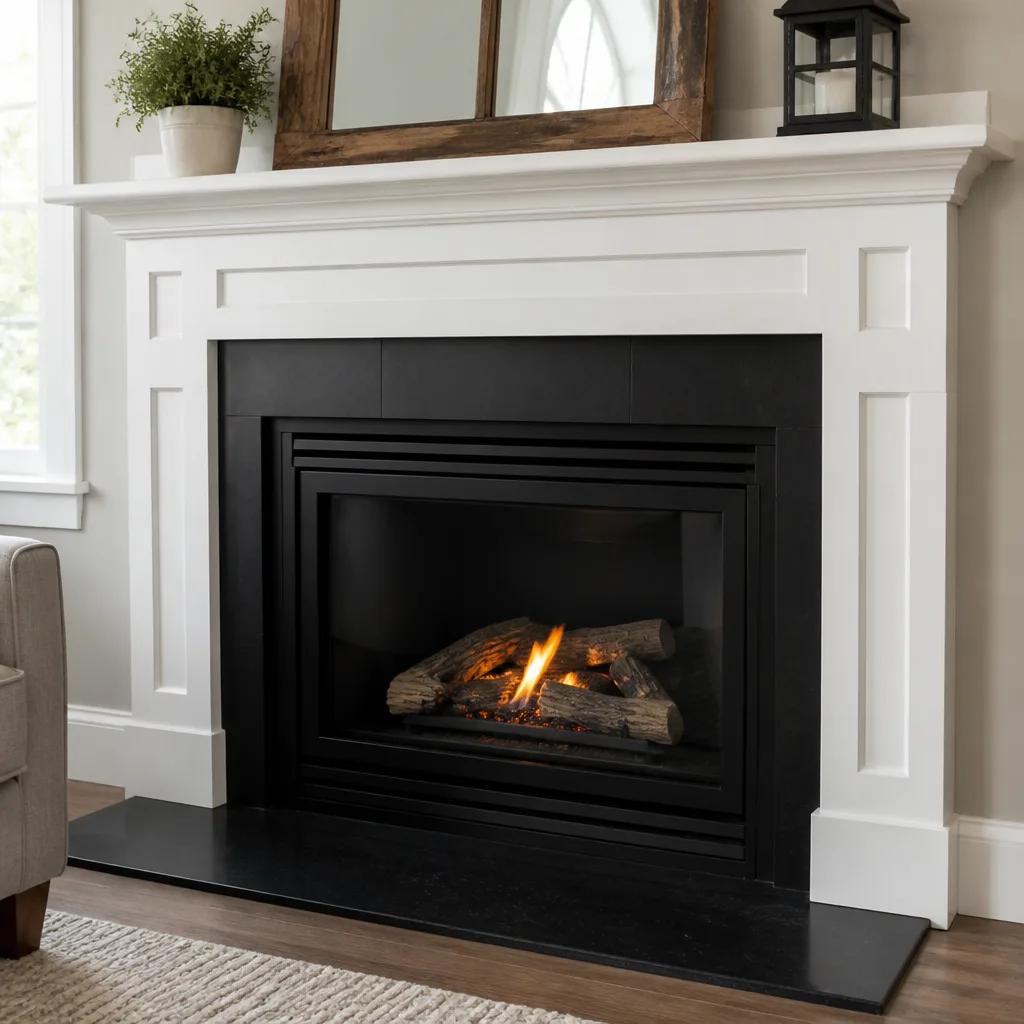 Gas fireplace service
Level 1 sweep and inspection to the NFPA 211 annual standard - flue, crown, cap, and flashing checked and photographed
Chimney sweep logs do not sweep chimneys. They loosen some creosote - which then falls where a brush and vacuum still have to collect it.
Chimney Cleaning Emergency Preparedness Guide for Fremont Homes
A chimney fire doesn’t always sound like a roaring train. Some burn slowly and silently inside a cracked liner for hours before showing any sign at the fireplace opening, and those are the fires that spread to wall framing before anyone notices. Most Fremont homeowners only think about their chimney when they light the first fire of the season, but emergencies don’t wait for an invitation. This guide gives you three things you need before anything happens: how to identify a chimney emergency correctly, what to do in the first five minutes, and which conditions mean the chimney must stay shut until a professional clears it. Keep this as a pre-event reference, not a post-event consolation.
Quick Answer
If you suspect an active chimney fire in your Fremont home, close the damper if you can safely reach it, get everyone outside, and call 911 immediately. Never pour water into a fireplace during a chimney fire. After any fire or significant earthquake, keep the chimney shut and call chimney sweep specialists for a Level 2 or Level 3 inspection before using it again.
Styles & brands we work with
- Sweep & inspection
- Caps & crowns
- Flue relining
- Masonry repair
- Gas fireplace service
Table of Contents
- Fast-Burn vs. Slow-Burn Chimney Fires: Knowing the Difference
- The First Five Minutes: Your Emergency Protocol
- Carbon Monoxide Emergencies and Chimney Backdrafting
- The Fremont Earthquake Factor: Post-Seismic Chimney Safety
- Documenting Chimney Damage for Insurance
- What a Post-Emergency Level 3 Inspection Involves
- Prevention: What Fremont Homeowners Can Do Before an Emergency
Fast-Burn vs. Slow-Burn Chimney Fires: Knowing the Difference
Chimney fires fall into two broad categories, and they demand different responses. Understanding which one you’re dealing with can mean the difference between a contained event and a structural fire.
A fast-burn chimney fire is what most people picture. It’s loud, often described as a sound like a freight train or a low-flying jet, with visible flames shooting from the chimney top. The creosote deposits inside the flue have ignited rapidly, and the fire is consuming fuel at an aggressive rate. You might hear popping or cracking, see dense smoke, and feel intense heat radiating from the chimney structure. This type of fire demands immediate evacuation and a call to 911 from outside the home.
A slow-burn chimney fire is far more dangerous precisely because it’s easy to miss. These fires smolder inside the flue at lower temperatures, sometimes for hours, often without audible noise or visible flames at the chimney top. They typically occur when creosote has built up inside a liner that’s already cracked or deteriorated from years of use. The smoldering creosote slowly heats the surrounding masonry or framing. In our experience, we’ve seen cases where the first sign of a slow-burn fire was heat radiating through the wall adjacent to the chimney, rather than anything visible at the fireplace itself. By the time you notice that, fire may already be reaching the wall framing.
Here’s the critical distinction for Fremont homeowners:
- Fast-burn fire: You’ll hear it and see it immediately. The response is evacuation first, then 911 from outside.
- Slow-burn fire: You may only notice an unusual smell, hot spots on walls near the chimney, or a faint crackling that you can’t place. The response is still evacuation and 911, but you should also alert the dispatcher that you suspect a hidden chimney or wall fire.
The reason the response protocol differs matters here. A fast-burn fire is often confined to the flue if you act quickly. A slow-burn fire may have already spread to surrounding materials by the time you detect it. Don’t attempt to fight either type yourself. The fire department has thermal imaging cameras that can see heat signatures inside walls, which is something no homeowner can replicate.
Fremont’s housing stock includes many homes built between the 1950s and 1980s, and many of those chimneys were constructed with clay tile liners that were never designed to withstand that kind of heat for decades. If you have an older home with an original chimney and you haven’t had a sweep in over a year, you’re at higher risk for a slow-burn fire. The creosote buildup acts as fuel, and the aging liner provides the vulnerability. That combination is what makes this specific emergency so dangerous in our city.
The First Five Minutes: Your Emergency Protocol
When you suspect a chimney fire, your actions in the first five minutes determine the outcome. Follow these steps exactly, in order:
- Close the damper if you can safely reach it. This cuts off the oxygen supply to the fire, which can slow it down. Do not reach into the fireplace, and do not attempt this if the damper controls are hot or if flames are visible inside the firebox. Your safety comes first.
- Get everyone out of the house. Do not stop to gather belongings. Do not open windows or doors in an attempt to ventilate, because the added oxygen can actually intensify the fire.
- Call 911 from outside the home. Tell the dispatcher you have a chimney fire, whether you can see flames or just suspect a hidden fire in the chimney structure. Use the words “possible chimney fire” and describe what you observed, including any warmth on interior walls.
- Do not use water. Pouring water into a chimney fire can create a steam explosion that cracks the liner and spreads the fire to the house structure. It can also cause a flash of steam that burns whoever is standing closest. Let the fire department handle suppression.
- Wait for the fire department to declare the scene safe. Do not re-enter the home until they tell you it’s clear. Once they’ve left, keep the fireplace and chimney shut. Do not attempt another fire, no matter how tempted you are to test the system.
After the fire is out, the next step is a professional assessment. Even a “small” chimney fire that seemed contained can cause damage you can’t see. The fire department may tell you the fire was limited to the flue, but they are not chimney specialists, and they don’t perform the kind of detailed liner inspection that NFPA 211 requires after a chimney fire event. You’ll need a Level 2 or Level 3 inspection before using that chimney again, which we’ll cover in detail below.
A note for Fremont homeowners specifically: our fire department response times are generally good across most neighborhoods, including Niles, Centerville, and Mission San Jose, but the minutes it takes for help to arrive are exactly why your first two actions are damper and evacuation. Do those without hesitation. You’re not overreacting. A suspicious chimney fire is exactly the kind of thing where overreacting is the correct response.
Carbon Monoxide Emergencies and Chimney Backdrafting
Carbon monoxide poisoning tied to a chimney failure has a signature pattern in Fremont homes: symptoms appear while the fireplace is burning, then clear when you open windows or leave the house. If you notice headaches, dizziness, nausea, or confusion that match that pattern, you’re dealing with chimney backdrafting, and that’s an emergency.
Backdrafting happens when combustion gases that should flow up the chimney instead spill back into the living space. Several conditions in Fremont homes contribute to this. Exhaust fans in kitchens and bathrooms running at the same time as a fire create negative pressure that can overpower a weak chimney draft. Homes sealed tightly for energy efficiency can starve a fireplace of combustion air, pulling smoke and carbon monoxide back into the room instead. A partially blocked flue, whether from creosote, debris, or animal nesting, restricts the draft enough that gases find the path of least resistance back into your home.
Here’s what to do if you suspect a carbon monoxide emergency tied to your fireplace:
- Extinguish the fire immediately. If you can safely close the damper, do so. Do not smother the fire with anything that creates smoke.
- Open windows and doors to ventilate. This is one of the few times in a chimney emergency where ventilation helps, because the danger is gas in the room, not an active fire needing oxygen starvation.
- Get everyone outside to fresh air. This includes pets. Carbon monoxide binds to hemoglobin faster than oxygen does, and small bodies are affected more quickly.
- Call 911 or your local poison control center. Describe the symptoms and mention that the fireplace was in use. Do not re-enter the home until emergency personnel confirm it’s safe.
- Keep the fireplace shut until a professional inspects the chimney. A backdrafting chimney is a ventilation system failure, and burning another fire before the cause is identified and corrected puts you right back in the same emergency.
This is where a chimney sweep professional earns their value. Backdrafting has multiple possible causes, and the fix depends on identifying the actual one. It could be a blocked flue, a damaged liner, a chimney too short for the roof line, or a pressure imbalance in the home. Cleaning alone fixes the first one. The others require repair or even relining, which many sweep-only companies can’t do. If the problem is a deteriorating liner, a company that performs repairs with HeatShield ceramic flue resurfacing can restore it without the full demolition a generalist would tell you is necessary.
For Fremont homeowners, the seasonal pattern matters. Our mild winters mean many of you use your fireplaces sporadically rather than daily. That intermittent use actually increases creosote buildup risk, because partial burns and smoldering fires create more of the sticky deposits that clog flues. If you’re a once-or-twice-a-month fire user, don’t assume your chimney stays clean because you don’t burn often. The opposite is often true.
The Fremont Earthquake Factor: Post-Seismic Chimney Safety
Fremont sits on the Hayward Fault, one of the most active and closely watched fault lines in the United States. The 1868 Hayward Fault earthquake, now estimated at magnitude 6.8 to 7.0, caused extensive damage across what would become Fremont and the surrounding East Bay. A repeat of that event is not hypothetical; seismologists describe it as a matter of when, not if. That makes post-earthquake chimney protocol a real part of emergency preparedness for every Fremont homeowner.
Here’s what NFPA 211 requires and what we recommend after any significant seismic event, which we’d define as anything strong enough to knock items off shelves or cause visible cracking in walls:
- Do not use the fireplace or chimney until it has been inspected. This applies even if the chimney looks fine from the ground. You cannot see internal flue damage from the outside.
- Schedule a Level 2 inspection. This is the standard specified in NFPA 211 after an earthquake, a chimney fire, or any event that might have caused damage to the flue interior. A Level 2 inspection includes a video scan of the entire flue, which shows cracks, separated tile sections, or damaged mortar joints that a visual inspection from the top or firebox can miss.
- Watch for signs of movement before scheduling anything. New cracks in the exterior brick or stucco, a chimney that has shifted out of plumb, or a visible gap between the chimney and the house structure all require immediate professional attention. If you see these, call us before attempting any use of the fireplace at all.
Earthquake damage to chimneys in Fremont typically shows up in two ways. The first is cracking or collapsing of the masonry structure itself, which is visible from outside if it’s severe. The second is internal flue damage, which is invisible to the homeowner and often goes undetected until a fire ignites creosote that has accumulated in the new cracks. That second type is the dangerous one, because it creates a pathway for heat and gases to reach the home’s framing exactly where the fire can spread unseen.
If you have an older masonry chimney that predates modern seismic reinforcement standards, the risk is higher. Many mid-century Fremont homes have chimneys built without the seismic bracing current code requires. A significant Hayward Fault event could damage those chimneys even if the rest of the home performs well. After any earthquake that makes you wonder whether something happened to your chimney, the answer is always to have it checked before burning.
For homeowners with a fireplace they haven’t used in years, the earthquake conversation changes. If you’re planning to start using a dormant fireplace for the first time after a seismic event, or even just after years of disuse, a Level 2 inspection before the first fire is non-negotiable. The chimney may have been compromised long before the earthquake, and you’d be combining two unknown variables into one fire.
Documenting Chimney Damage for Insurance
If you’ve had a chimney fire or earthquake damage, your insurance claim depends on documentation done well. Here’s how to handle it correctly, from the first hours after the event:
- Photograph everything before anything is moved or cleaned. Use your phone. Take wide shots of the chimney from the outside, close-ups of any visible cracking or damage, and photos of the fireplace interior. Take photos of any soot, smoke staining, or debris. Insurance adjusters work from visual evidence, and the more you document before cleanup begins, the stronger your claim.
- Keep a written log of what you observed. Note the date and time, what you saw and heard, and any fire department actions. If the fire department gave you a report number, record it. If you smelled smoke in certain rooms or noticed hot walls, write that down with specifics.
- Do not dispose of any debris or make repairs before the adjuster documents the damage. Emergency tarping or shoring to prevent further damage is acceptable, but full cleanup or liner replacement should wait until the insurance company has completed their assessment.
- Request a Level 3 inspection from a chimney specialist. A Level 3 inspection is required when a Level 2 cannot determine the full extent of damage, which is often the case after a serious chimney fire or structural event. This inspection may involve removing portions of the chimney structure to access hidden areas, and the documentation from a Level 3 inspection is exactly what insurance companies expect to see for major chimney claims.
Insurance policies vary significantly on chimney damage coverage. Some policies cover fire damage to the chimney as part of the dwelling structure. Others classify the chimney as a maintenance responsibility and deny claims based on lack of cleaning records. This is one reason we recommend keeping receipts for every chimney sweep. In our experience, homeowners who can show a consistent maintenance history have better outcomes with insurance adjusters, even for damage that was ultimately caused by an event rather than neglect.
If you’re in Fremont and you’re dealing with insurance after a chimney event, call us at (844) 980-4364. We can perform the inspection and provide the documentation your adjuster needs. We answer 24/7, and fast dispatch runs from 7am to 7pm, Sunday through Friday.
What a Post-Emergency Level 3 Inspection Involves
After a chimney fire or significant earthquake, a Level 2 inspection is often the starting point, but a Level 3 inspection is what delivers definitive answers when damage is suspected but can’t be fully assessed. Here’s what a Level 3 inspection involves, according to NFPA 211 standards:
A Level 3 inspection begins with everything included in a Level 2: a video scan of the flue interior, an assessment of accessible attic and crawl space areas, and a thorough examination of the chimney exterior. Where a Level 3 goes further is in physically accessing hidden areas of the chimney system. That may mean removing portions of the chimney crown, taking down sections of the flue liner, or opening up the chimney chase to see what’s happening behind the surface.
This is not a cosmetic procedure. A Level 3 inspection is what confirms whether a slow-burn fire reached the wall framing, whether earthquake movement cracked the liner below the roofline, and whether the chimney is even safe to keep using. For Fremont homeowners who have experienced a chimney event, this inspection is the difference between wondering and knowing.
The good news specific to our company is that many of the problems a Level 3 inspection uncovers can be fixed without a full chimney rebuild. If the inspection finds a deteriorated liner, we can often reline the flue using Chimney Cleaning Fremont services with DuraFlex flexible liner systems, which eliminates the need for full demolition. If the flue has cracked clay tiles but the structure is otherwise sound, HeatShield ceramic resurfacing can restore the lining without removing the existing structure.
What we repair, we repair with professional-grade materials, not hardware-store substitutes. If a Level 3 inspection reveals that your flue cannot be safely restored, we’ll tell you that directly. You won’t get a soft-pedaled recommendation that leaves you guessing. You’ll know the condition of your chimney, what must happen before it can be used, and what can wait.
Prevention: What Fremont Homeowners Can Do Before an Emergency
The most effective emergency is the one that never happens. Here’s what Fremont homeowners can do now to reduce the risk of a chimney fire, carbon monoxide event, or post-earthquake surprise:
- Schedule an annual chimney sweep. The National Fire Protection Association recommends a sweep whenever creosote reaches 1/8 inch, and for most regular chimney users, that means at least once per burning season. In Fremont, many homeowners schedule sweeps in late summer or early fall, before burning season begins.
- Burn dry, seasoned wood only. Fremont’s mild climate means wood stored outside can absorb moisture even in summer. Green or wet wood burns at lower temperatures and creates more creosote than dry hardwood. If you’re buying wood, ask if it’s been seasoned for at least six months, and store it covered, off the ground.
- Test your carbon monoxide detectors monthly. This is the cheapest insurance you’ll ever buy. Detectors should be installed on every level of the home and outside sleeping areas. If you have a gas fireplace, this applies to you too, because gas appliances also produce carbon monoxide when their ventilation fails.
- Pay attention to your dryer vent cleaning maintenance as part of your whole-home ventilation safety. A clogged dryer vent is a leading cause of residential fires, and it shares a root cause with chimney hazards: neglected ventilation. We offer this as a core service because the safety picture for a Fremont home includes every vent, not just the one above the fireplace.
- Keep records of every inspection and sweep. If you ever need to file an insurance claim, those records are your proof of maintenance. They also help you track your chimney’s condition over time, which matters when a technician tells you something has changed since last year.
And one specific recommendation for homeowners in older Fremont neighborhoods like Niles, Irvington, or the Mission San Jose district: if your home was built before the 1980s with an original masonry chimney, prioritize an inspection even if you rarely use the fireplace. The combination of aging clay tile liners and the Hayward Fault makes these chimneys the most likely candidates for the hidden slow-burn fires we discussed earlier.
Common Mistakes to Avoid
- Using water to extinguish a chimney fire. This is the most dangerous mistake we see. Water turns to steam inside a hot flue, and that steam expansion can crack the liner and push fire into the wall cavity. Never do it.
- Assuming a small chimney fire isn’t a big deal. Every chimney fire, even one the fire department calls “minor,” damages the flue. That damage creates fuel paths for the next fire, which burns hotter and reaches farther. If you’ve had any chimney fire, get a Level 2 inspection before burning again.
- Ignoring carbon monoxide symptoms that clear when you open windows. “I just needed fresh air” is something we hear from homeowners who had a backdrafting chimney. If symptoms match fireplace use and clear with ventilation, that’s a chimney problem, not a coincidence.
- Using the fireplace after an earthquake without an inspection. Fremont’s position on the Hayward Fault makes this particularly dangerous. Even a moderate earthquake can shift a chimney enough to create hidden flue cracks. The next fire you light could use those cracks as a pathway to your framing.
- Burning unseasoned wood to save money. Green wood creates more creosote, which means more frequent sweeping and a higher fire risk. The savings disappear the first time you need an emergency repair.
- Calling a general handyman for chimney work. Chimney systems are specialized. A handyman can clean what’s visible, but they can’t diagnose liner damage, backdrafting causes, or structural issues. Hire a dedicated chimney and ventilation specialist.
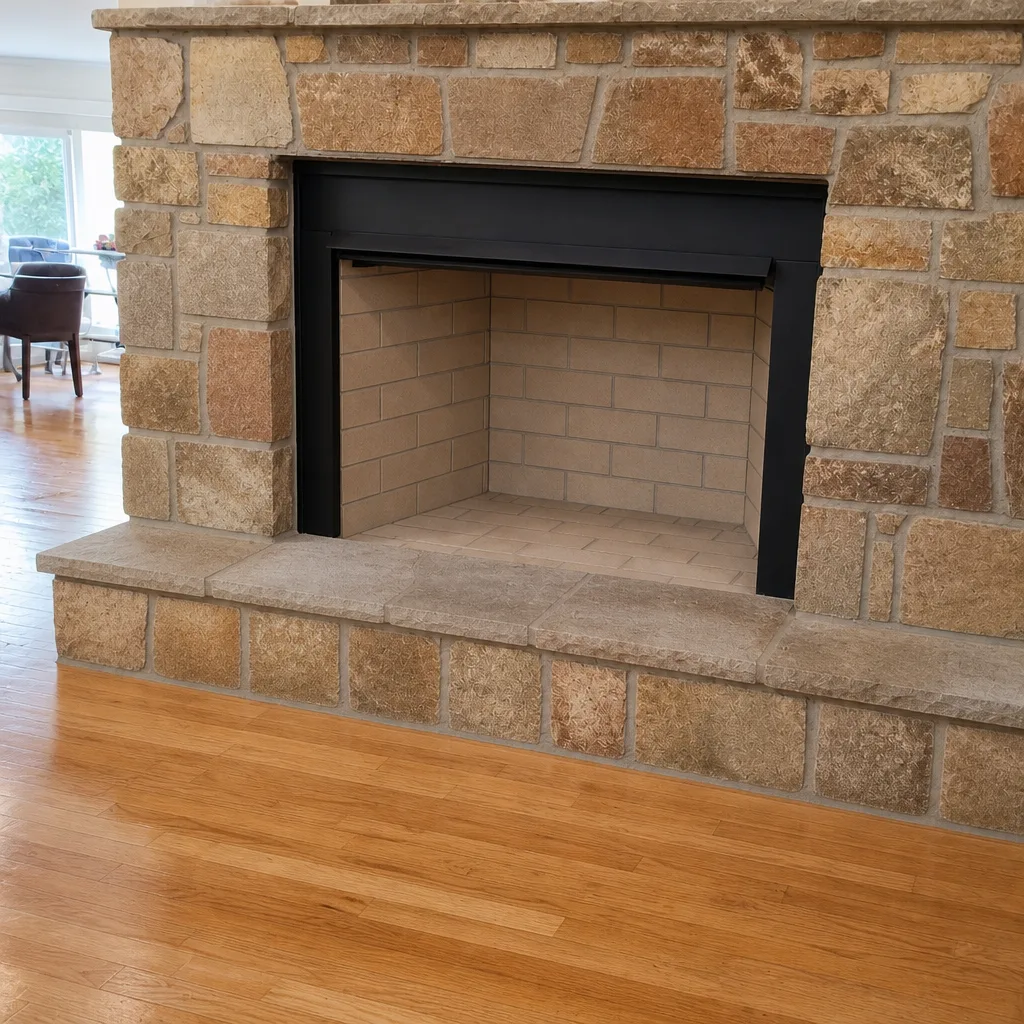
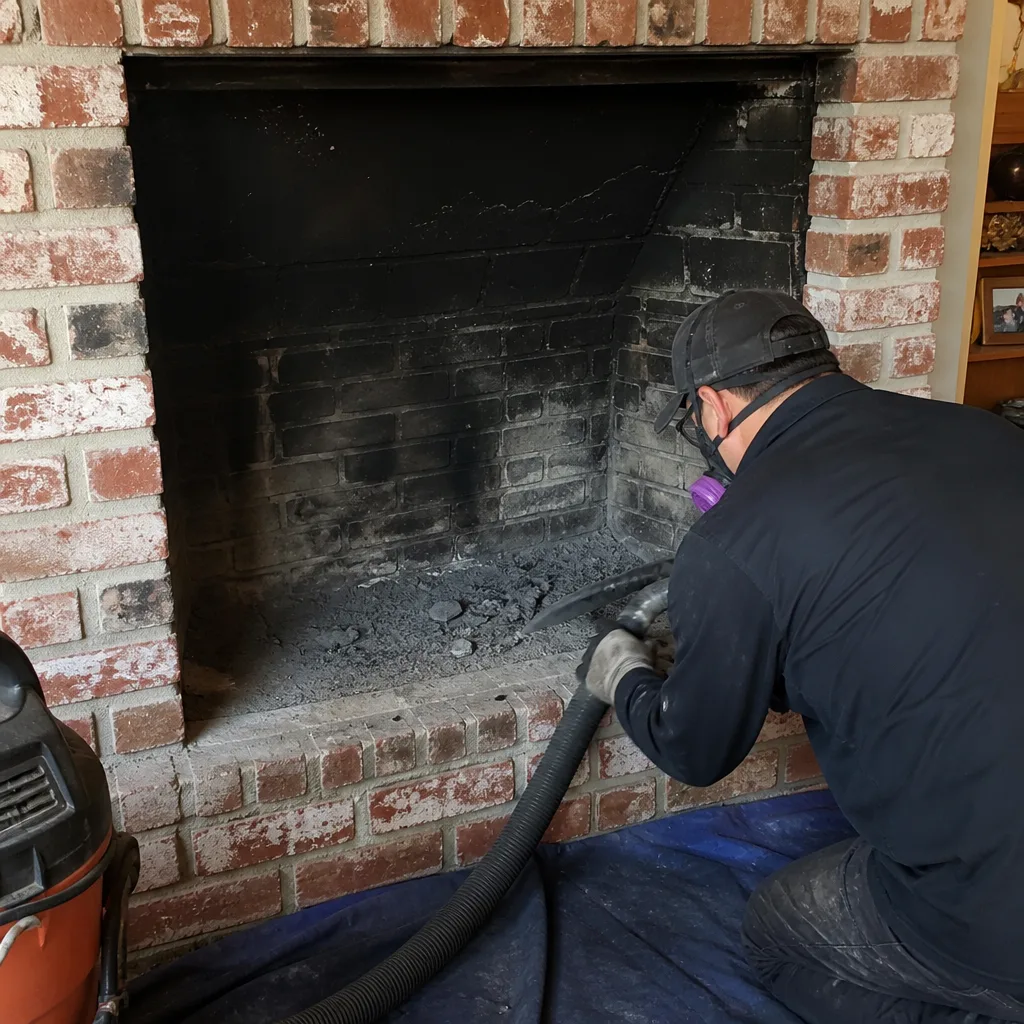
See the difference
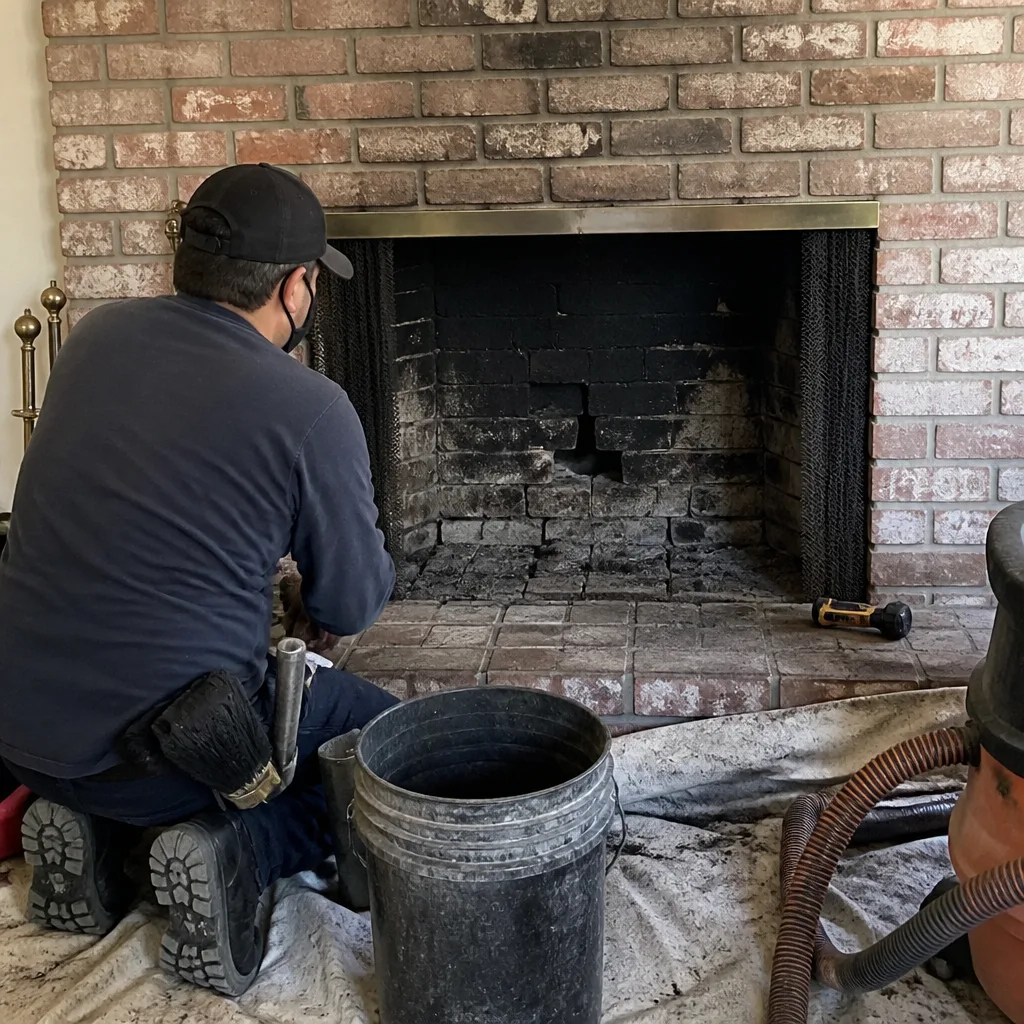 Before
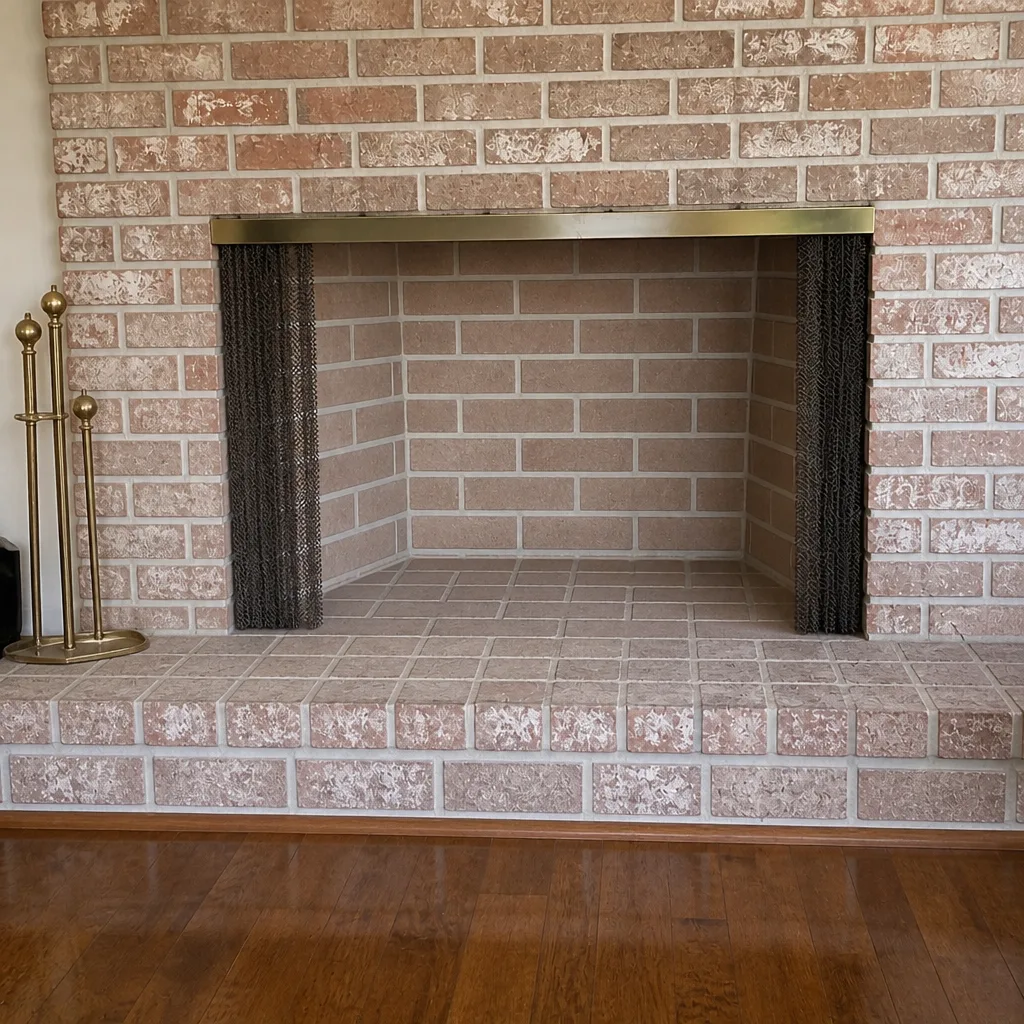 After
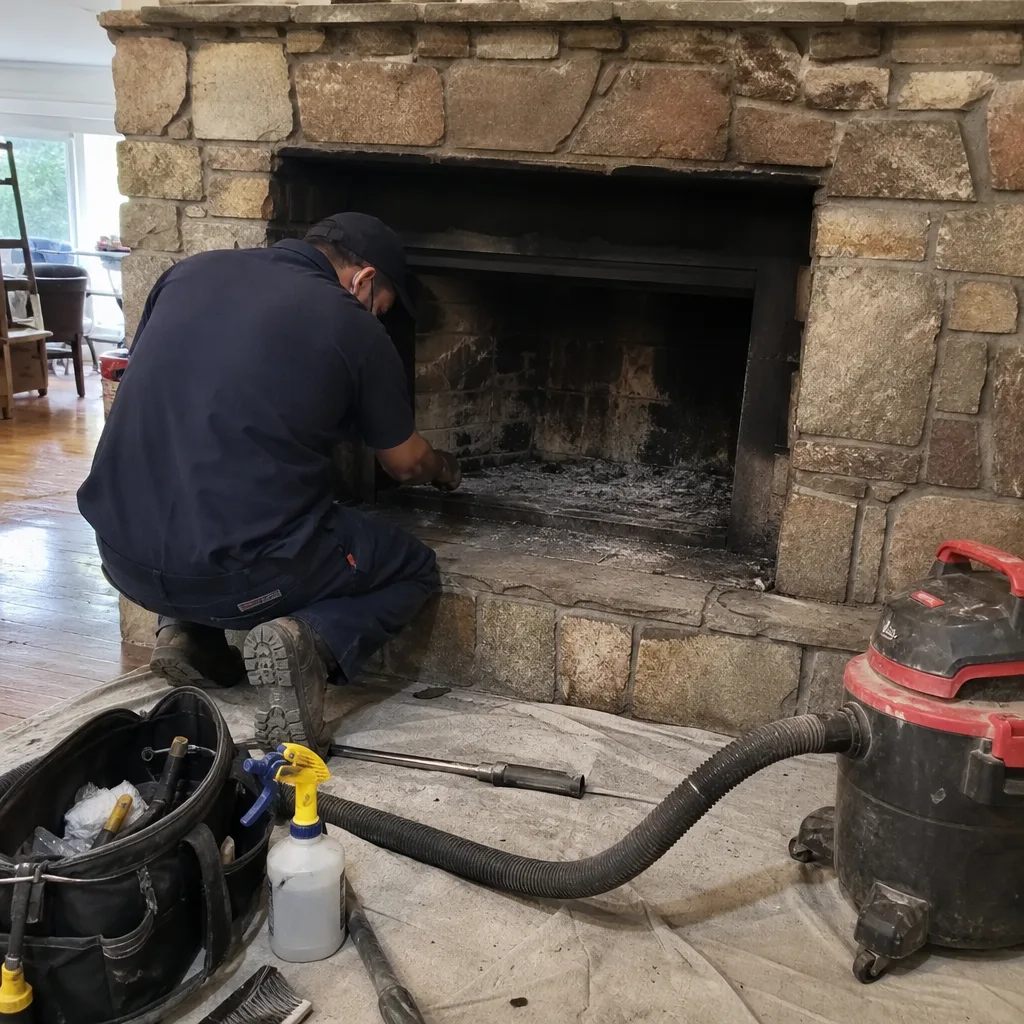 Before
 After
 Before
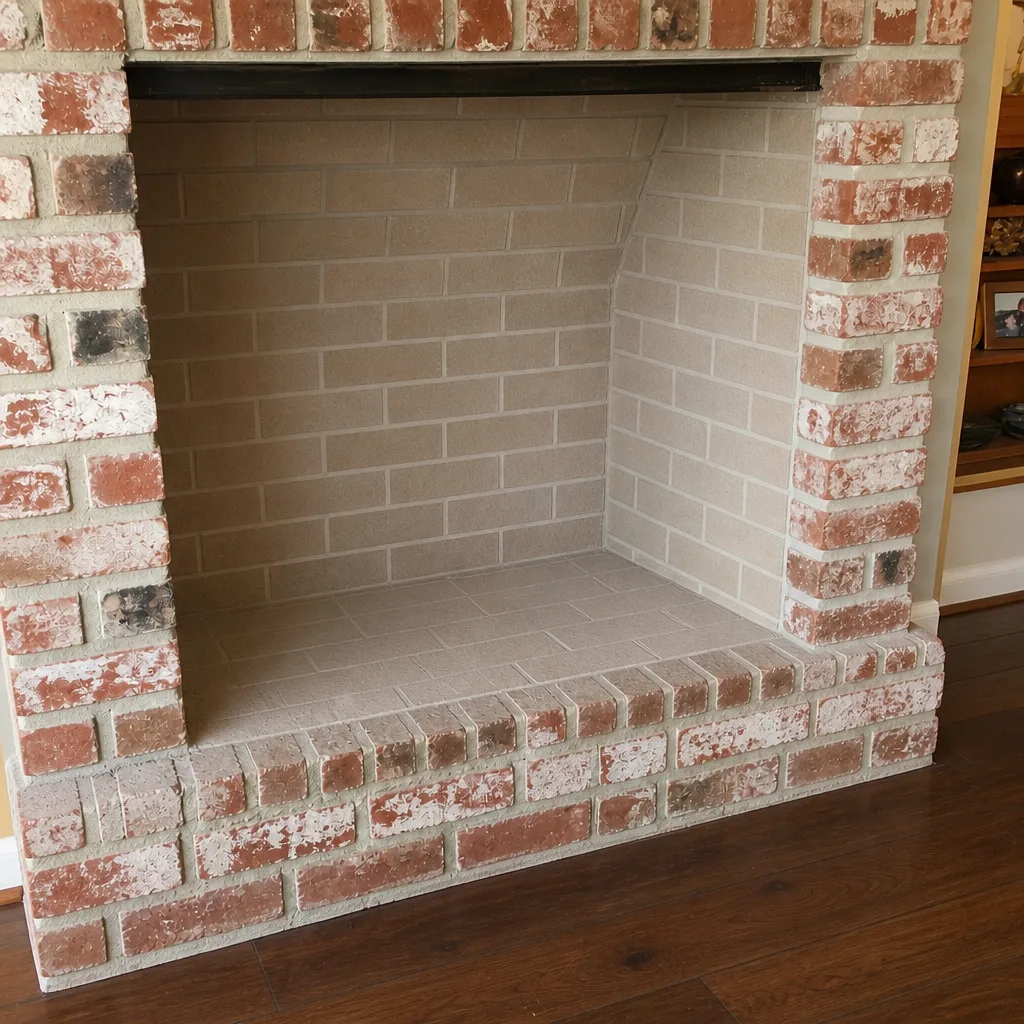 After
When to Call a Professional
Call a chimney professional if you’ve had any chimney fire, even a small one. Call if your carbon monoxide detector has gone off while the fireplace was in use, or if you’ve had symptoms that match carbon monoxide exposure and clear with ventilation. Call after any earthquake strong enough to knock items off shelves, even if you can’t see chimney damage. Call if you smell a burning odor that you can’t place, if walls near the chimney feel warm during fires, or if smoke spills into the room when you open the fireplace doors. Call if you haven’t had a sweep in over a year and you’re planning to use the fireplace this season. Chimney Cleaning Fremont offers free estimates in Fremont. Call (844) 980-4364. We answer 24/7. Fast dispatch from 7am to 7pm, Sunday through Friday.
Frequently Asked Questions
Close the damper if you can safely reach it, get everyone outside immediately, and call 911 from outside the home. Do not use water, do not open windows to ventilate, and do not re-enter until the fire department says it’s safe. Afterward, keep the chimney shut and schedule a Level 2 inspection before using it again.
A fast-burn fire is loud and visible, often sounding like a freight train with flames at the chimney top. A slow-burn fire is quiet and may show no visible flames, but you might notice an unusual burning smell, heat radiating through walls near the chimney, or a faint crackling sound. Both require immediate evacuation and a 911 call, but slow-burn fires often mean fire may have already reached the wall framing, so alert the dispatcher to that possibility.
Fremont sits on the Hayward Fault, which produced the estimated magnitude 6.8 to 7.0 earthquake in 1868. A significant seismic event can crack chimney liners internally without visible exterior damage. NFPA 211 requires a Level 2 inspection after any event that could have damaged the flue, and you should keep the chimney shut until that inspection happens.
Inspection costs vary based on the level required. A Level 2 inspection, which includes video scanning, typically runs $200 to $500 in the Fremont market. A Level 3 inspection, which may involve removing portions of the chimney structure, costs more because of the invasive access required, often ranging from $500 to $2,000 depending on what must be opened. Call (844) 980-4364 for an exact quote. Estimates are free.
No. Even a small chimney fire damages the flue liner, creating cracks and gaps that did not exist before. The next fire you light could push heat and gases through those new openings directly into your home’s framing. A Level 2 or Level 3 inspection is required before burning again, regardless of what the scene looked like when the fire department finished.
That’s the classic signature of chimney backdrafting. The combustion gases that should flow up the chimney are spilling back into your living space instead, usually due to a blocked flue, a damaged liner, or negative pressure from exhaust fans running while the fire burns. If symptoms clear when you open windows or leave the house, shut the fireplace down and call a chimney professional before using it again. Call (844) 980-4364 for a free estimate.
The Bottom Line
Chimney emergencies in Fremont are preventable with the right preparation, and survivable with the right response. Know the difference between a fast-burn and slow-burn chimney fire, and treat both as reasons to evacuate and call 911. Recognize the carbon monoxide pattern that points to backdrafting, and never dismiss symptoms that clear when you open windows. Respect the Hayward Fault reality, and get a Level 2 inspection after any significant earthquake. Document everything after an emergency, and insist on a Level 3 inspection when damage can’t be fully assessed otherwise. Keep records of every sweep, burn only dry wood, and test your detectors monthly. The goal isn’t to be afraid of your chimney. It’s to know exactly what to do when it demands your attention, and to keep it from demanding it in the first place.
Written by the team at Chimney Cleaning Fremont, serving Fremont since 2011.