
Last updated November 4, 2026
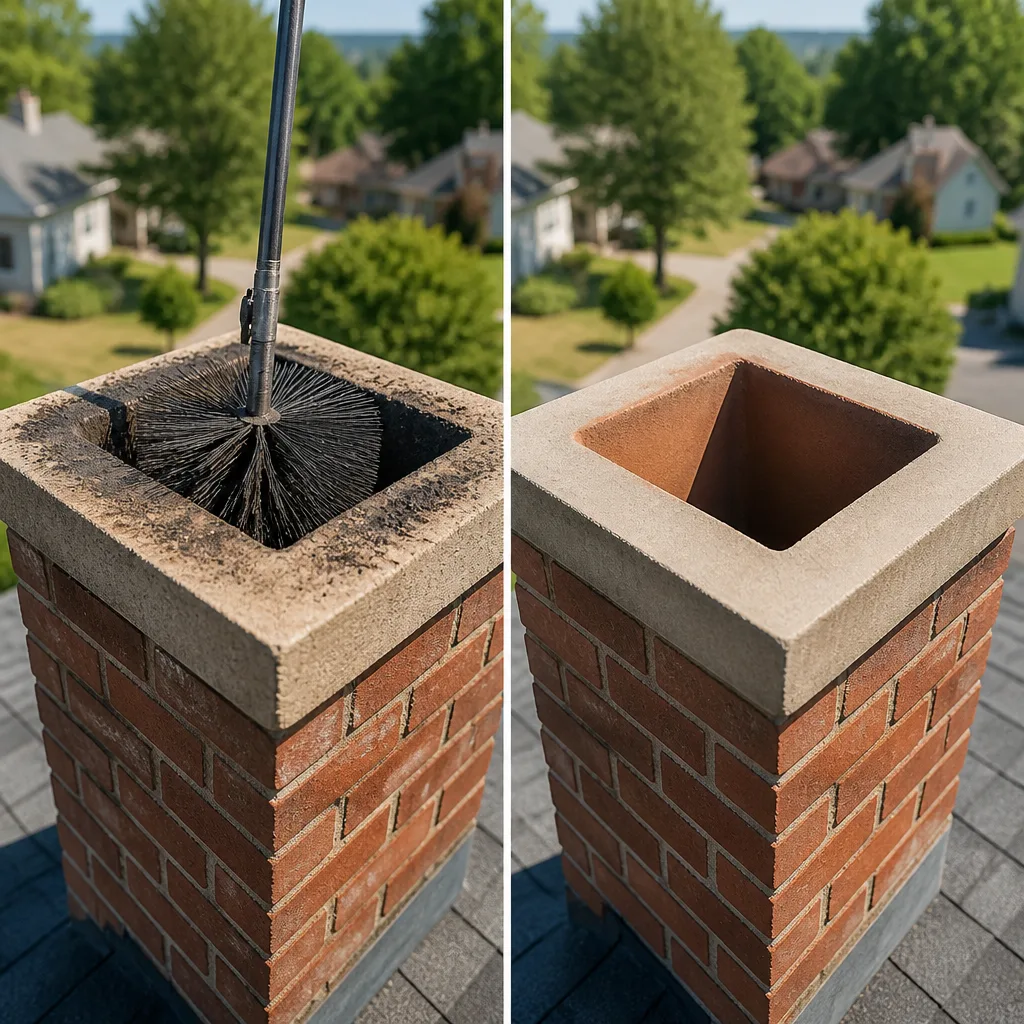 Sweep & inspection
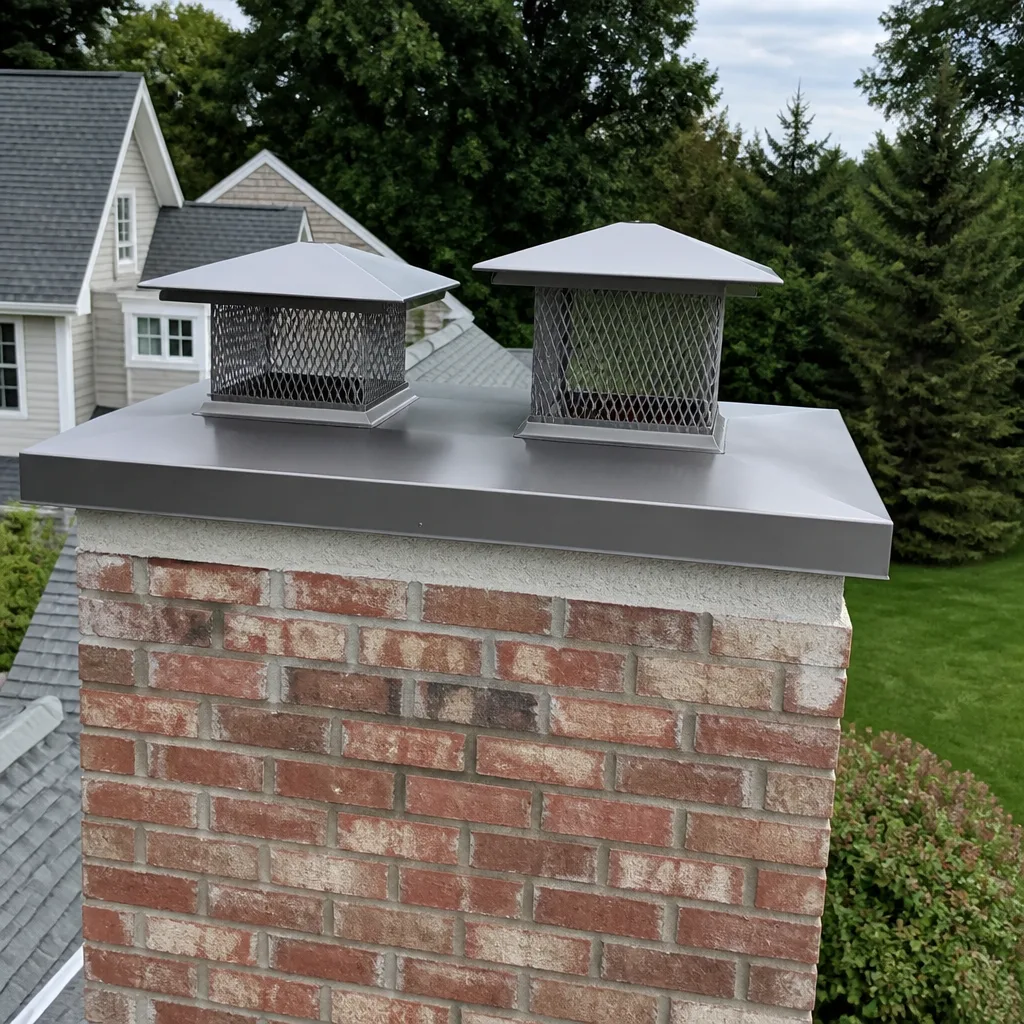 Caps & crowns
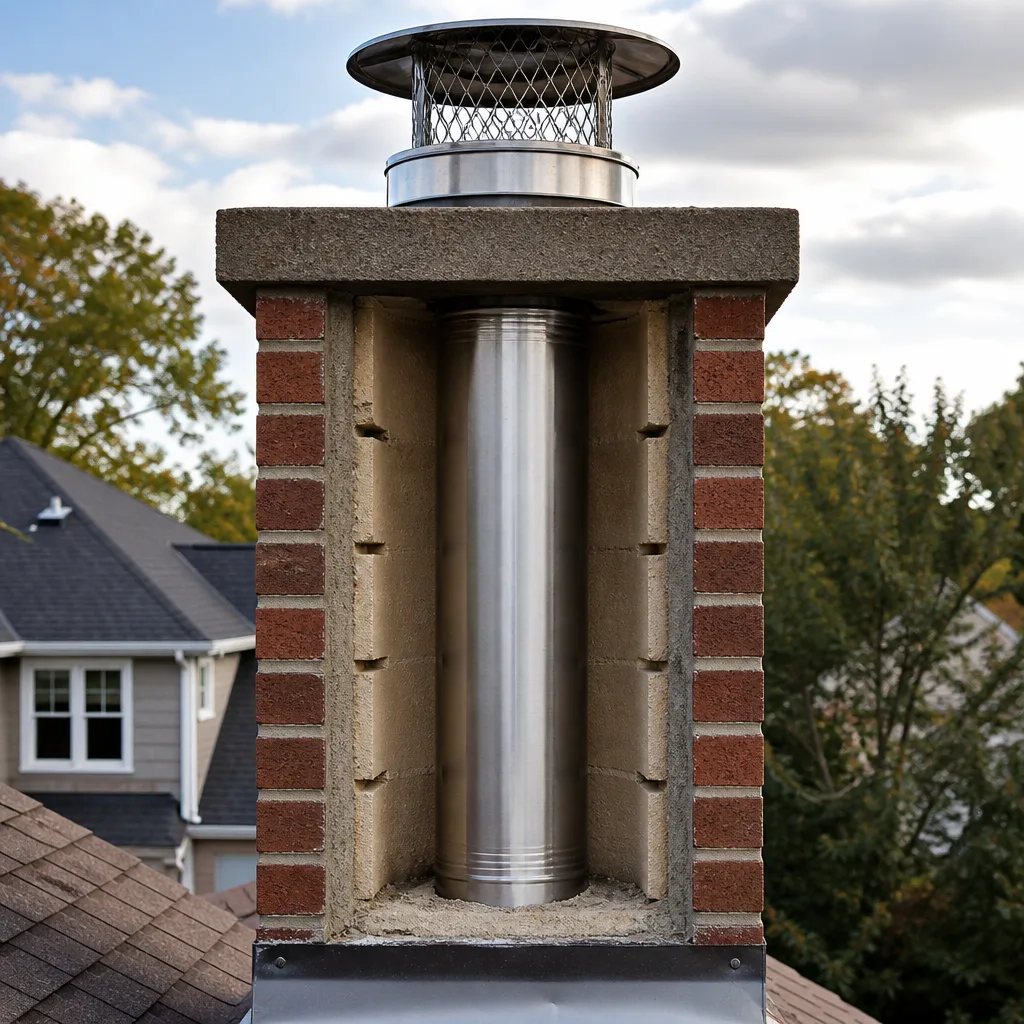 Flue relining
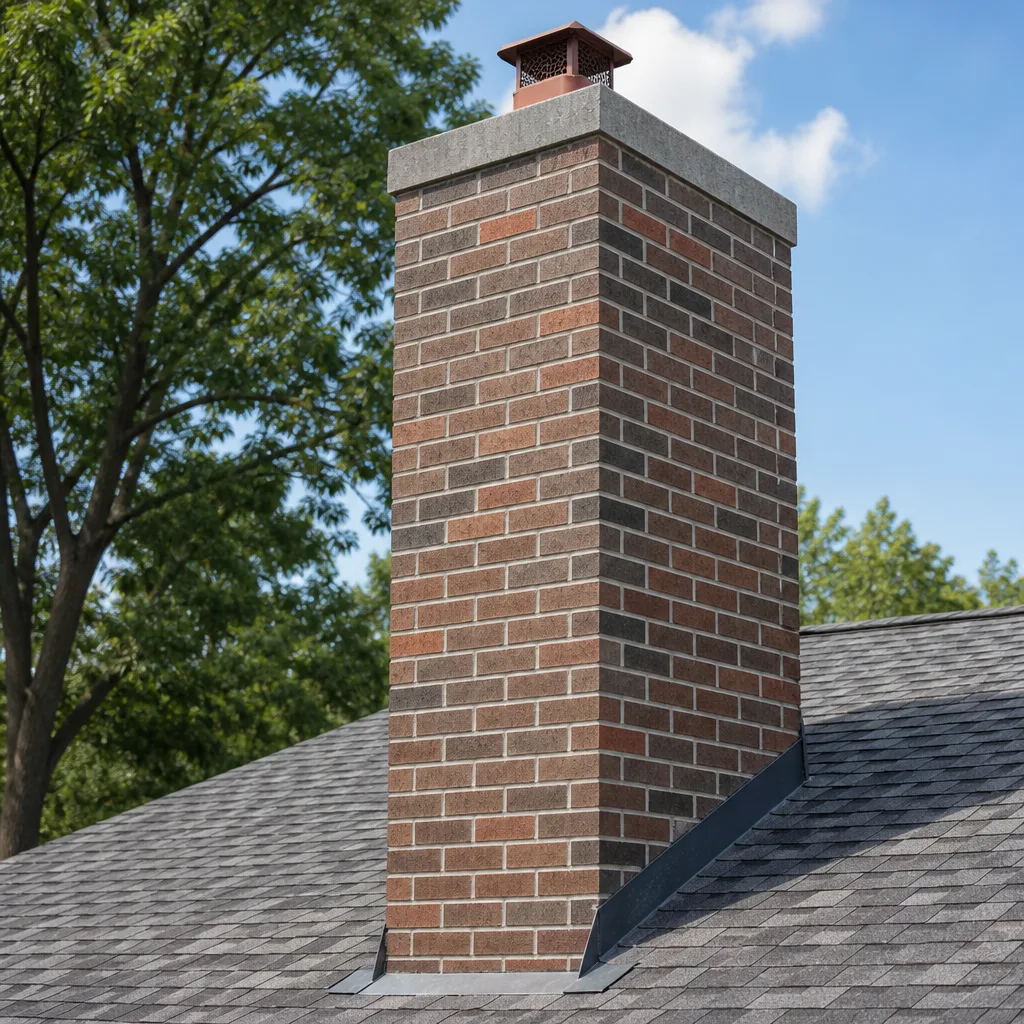 Masonry repair
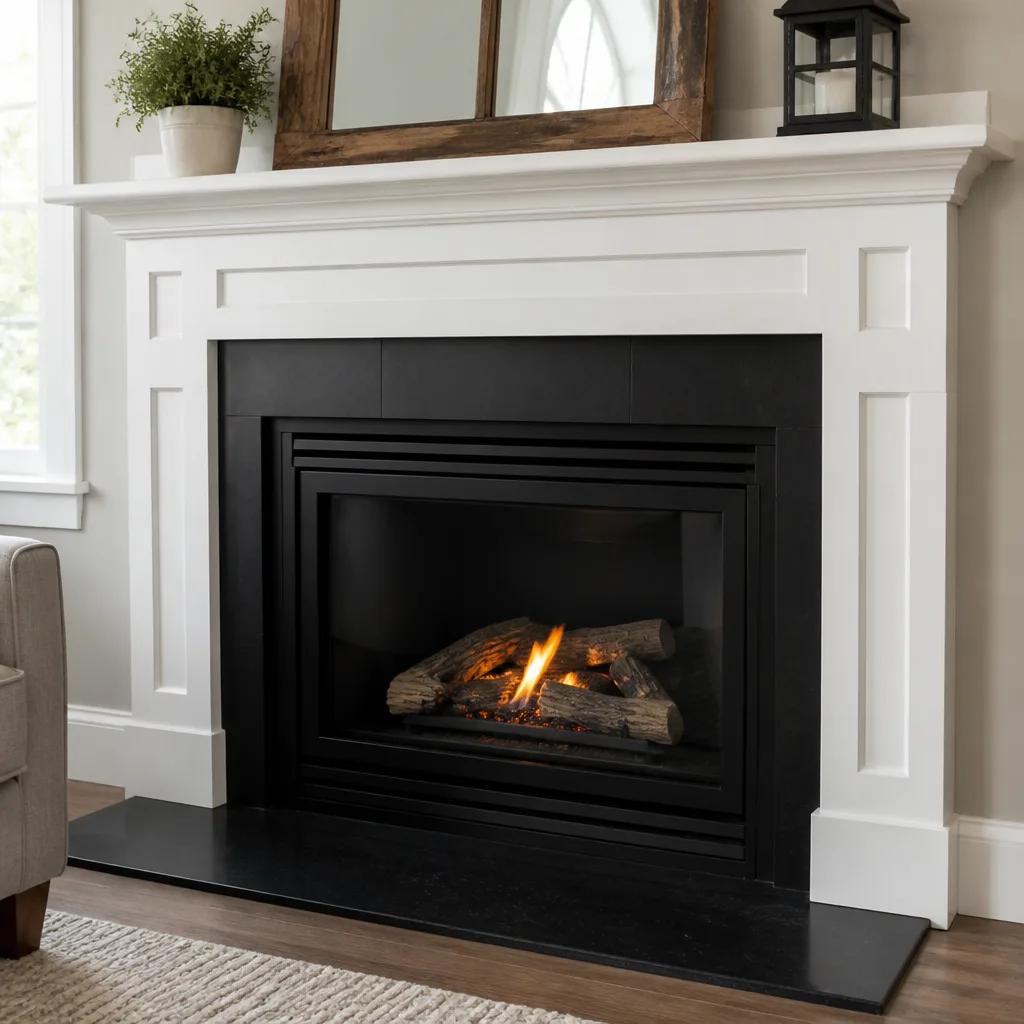 Gas fireplace service
Level 1 sweep and inspection to the NFPA 211 annual standard - flue, crown, cap, and flashing checked and photographed
Chimney sweep logs do not sweep chimneys. They loosen some creosote - which then falls where a brush and vacuum still have to collect it.
Chimney Sweep Troubleshooting in Fremont: Common Problems and How to Fix Them
If your fireplace smokes up the living room only on windy days, the problem probably isn’t your chimney at all. It’s negative air pressure created by your home’s tight, energy-efficient construction, and no amount of sweeping will fix it. Most chimney complaints in Fremont follow this same pattern: the visible symptom points one direction, but the mechanical cause sits somewhere else entirely. This guide walks through the most common chimney problems we see across Fremont homes, how to match each symptom to its actual source, which checks you can do safely yourself, and when a camera inspection by a specialist is the only way to get a real answer.
Styles & brands we work with
- Sweep & inspection
- Caps & crowns
- Flue relining
- Masonry repair
- Gas fireplace service
Quick Answer
Most Fremont chimney problems boil down to four mechanical causes: restricted airflow, negative air pressure inside the home, creosote accumulation at a specific stage, or a deteriorating flue liner. Matching the symptom to the cause, rather than guessing, prevents paying for a sweep when you need a liner repair, or a liner replacement when you only need a damper adjustment. Start with the free checks below, then call a specialist if the problem persists.
Table of Contents
- Symptom-to-Cause: What Your Chimney Is Actually Telling You
- How Fremont’s Microclimates Create Draft Problems
- DIY-Safe Diagnostics: What to Check Before You Call
- Creosote Stages Explained: Why Stage 3 Can’t Just Be Swept
- The One-Minute Smoke Test: Confirm Draft Direction First
- White Staining on Brick: It’s Not a Cleaning Problem
- Campfire Smell in Summer: What It Means and How to Fix It
- Smoke Backdraft on Windy Days: The Sealed House Problem
- Common Mistakes to Avoid
- When to Call a Professional
- Frequently Asked Questions
- The Bottom Line
Symptom-to-Cause: What Your Chimney Is Actually Telling You
Chimney troubleshooting works best as a matching exercise. Each symptom has a short list of likely causes, ranked by how often we encounter them in Fremont homes. Here is the matrix we use when a homeowner calls describing a problem.
- Symptom: Smoke enters the room only when the fire is first lit. Likely cause: a cold flue with a reverse draft. The column of air inside the chimney is heavier than the room air, so it sinks instead of rising. Fix: prime the flue by holding a lit rolled newspaper up near the damper for 30 to 60 seconds before lighting the main fire.
- Symptom: Smoke enters the room only on windy days. Likely cause: negative air pressure inside the home, not a chimney obstruction. Tightly sealed Fremont houses with running exhaust fans compete with the chimney for air. Fix: crack a window near the fireplace and turn off competing exhaust fans before lighting.
- Symptom: A persistent campfire or smoky odor in summer when the fireplace is unused. Likely cause: humid Bay Area air moving down the flue, carrying creosote odor into the house. Fix: confirm the damper closes fully, and consider a top-sealing damper if the odor persists.
- Symptom: White, chalky staining on the exterior brick or stone. Likely cause: water moving through the masonry, dissolving salts, and depositing them on the surface. This is efflorescence, not soot. Fix: address the water source first, then evaluate whether a water repellent is appropriate.
- Symptom: The fire burns fine but produces less heat than it used to. Likely cause: accumulated creosote insulating the flue walls, or a damper that isn’t opening fully. Fix: schedule a chimney sweep and have the damper assembly checked in the same visit.
How Fremont’s Microclimates Create Draft Problems
Fremont sits at a climate crossroads. The bay influence keeps winters mild, but the microclimates vary by neighborhood: homes near the foot of Mission Peak get more wind, while lower-lying areas closer to the bay get morning fog that burns off by afternoon. Both patterns affect chimney performance in ways that often get misdiagnosed as creosote problems.
Fog and high humidity do two things. First, they introduce moisture into the flue, which makes existing creosote deposits smell stronger than they would in dry air. Second, humid air is denser than dry air, which means it settles downward more readily. Homeowners in flatter Fremont neighborhoods sometimes report a smoky smell from the fireplace on foggy mornings, even when the fireplace hasn’t been used in weeks. It’s not backdraft, and it’s not a blockage. It’s humid air carrying creosote odor down the flue and into the living space.
Temperature inversions are another Fremont pattern. On still, cool evenings, warm air rises and traps cooler air near the ground. A chimney needs a temperature difference between the flue interior and the outside air to draw properly. During an inversion, that difference can flatten out, producing a sluggish draft. A homeowner lights a fire, sees weak flame and some smoke spillage, and assumes the chimney needs cleaning. Often the flue is fine, and the real fix is a longer priming period plus a source of makeup air.
None of this means you should ignore draft problems. A weak draft can push carbon monoxide into the house, and that is never acceptable. It means the diagnosis needs to account for Fremont’s specific weather patterns before anyone starts recommending liner work or a full reline. We perform a camera inspection on any system where the draft problem doesn’t resolve with simple air-management steps, because guessing at flue condition without visual evidence is how homeowners end up paying for work they didn’t need.
DIY-Safe Diagnostics: What to Check Before You Call
There are checks any homeowner can do safely from the hearth without climbing onto the roof or reaching into the flue. These checks won’t replace a professional inspection, but they will often narrow the problem down and save you from paying for a service call when the issue is a closed damper or competing exhaust fan.
- Confirm the damper is fully open. This sounds obvious, but damper assemblies get stiff with age, and the handle can indicate “open” while the plate is only partially rotated. Shine a flashlight up from the firebox and look. If you can’t see daylight or the opening looks partially blocked, the damper may need adjustment or replacement.
- Turn off competing exhaust fans. Kitchen range hoods, bathroom fans, and clothes dryers all pull air out of the house. In a tightly sealed Fremont home, running one or more of these while the fireplace is lit creates negative pressure that fights the chimney’s natural draft. Turn them off, crack a nearby window one inch, and see if the smoke behavior changes.
- Check the firebox and hearth for debris. Ash buildup is normal, but chunks of creosote that have fallen from the flue walls are not. Small, shiny black flakes in the firebox mean the flue has accumulated enough creosote that pieces are breaking loose. This requires a professional sweep, not another fire.
- Look for visible damage from the ground. Walk around the exterior of your home and scan the chimney structure. Cracked brick, missing mortar joints, a leaning chimney cap, or spalling (flaking) masonry are all visible signs that water is getting in and the chimney needs repair before the damage spreads.
- Perform the smoke test described below. This one-minute check tells you which direction your flue is moving air, and it’s the single most useful diagnostic a homeowner can run.
What you should not do is climb onto the roof without proper fall protection, reach up into the flue, or attempt to remove creosote deposits with improvised tools. Roof work and interior flue cleaning are jobs for trained professionals. The safety risk is real, and the diagnostic value you’d get from a rooftop look is minimal compared to what a camera inspection reveals.
Creosote Stages Explained: Why Stage 3 Can’t Just Be Swept
Creosote is the byproduct of incomplete wood combustion. It forms as a vapor that condenses on the cooler walls of the flue, and it accumulates in distinct stages. Understanding which stage you’re dealing with explains why some chimneys respond to a standard sweep and others don’t.
Stage 1 creosote is a light, dusty coating, often brown or gray, that brushes off relatively easily during a routine sweep. Most homes that burn seasoned hardwood and get swept annually stay in this range.
Stage 2 creosote is a thicker, flaky deposit with a tar-like consistency. It requires more aggressive mechanical brushing to remove, and it’s more common in chimneys that have gone two to three years between cleanings, or that burn unseasoned wood occasionally.
Stage 3 creosote is a hardened, glazed layer that resembles black glass coating the flue walls. It’s concentrated fuel. A standard wire brush will not remove it, and attempting to scrape it can damage the liner. Stage 3 requires chemical treatment or mechanical removal with rotary chain systems, and in some cases the flue liner itself has deteriorated underneath the glaze and needs resurfacing or replacement.
Here’s the part most homeowners don’t know: Stage 3 creosote is often a symptom, not the root cause. When a flue liner has cracked or deteriorated, the smoke cools faster inside the flue, which accelerates creosote condensation. A chimney that develops Stage 3 buildup quickly may have a liner problem underneath the glaze. That’s why we camera-inspect any flue where we find heavy staging rather than just treating the surface. We use HeatShield ceramic resurfacing when the liner is compromised, and DuraFlex flexible liner systems when a full reline is the correct fix. Both are professional-grade materials, not hardware-store substitutes.
The One-Minute Smoke Test: Confirm Draft Direction First
Before you call anyone about a smoking fireplace, run this test. It takes one minute, costs nothing, and tells you whether your flue is moving air up or down.
- Open the damper fully.
- Close all exterior doors and windows, and turn off all exhaust fans.
- Roll a single sheet of newspaper into a tight baton.
- Light the end and hold it inside the firebox, directly under the damper opening.
- Watch the smoke. If it rises up the flue, your draft direction is correct. If it billows back into the room, or wavers and then comes back, you have a reverse draft or competing air pressure problem.
If the smoke test confirms a downward draft, go back to the negative pressure checklist: crack a window in the fire room, turn off the bathroom fan and kitchen hood, and make sure the clothes dryer isn’t running. Run the test again. If the smoke now rises, your chimney is fine and the house is simply too tight. This is common in newer Fremont construction and homes with upgraded windows and insulation. If the smoke still pours into the room with a window open and all fans off, the problem is likely a restriction in the flue itself, and a camera inspection is the next step.
White Staining on Brick: It’s Not a Cleaning Problem
White, chalky deposits on your chimney’s exterior brick or stone look like something a good pressure washing would remove. Pressure washing will take the surface deposit off, but it won’t stop it from coming back, because the stain isn’t sitting on the surface. It’s coming from inside the masonry.
The process is called efflorescence. Water moves through the brick, dissolves naturally occurring salts inside the masonry, and carries them to the surface. When the water evaporates, the salts remain as a white residue. Efflorescence is harmless by itself, but it’s a reliable indicator that water is entering the chimney structure. The source is usually a failed chimney cap, cracked crown, damaged flashing, or porous brick that has never been properly protected.
The fix is sequential. First, stop the water. Repair the crown or flashing, replace a broken cap, and address any mortar joints that have eroded. Second, allow the masonry to dry fully. Third, consider a breathable water repellent formulated for masonry. The word “breathable” matters here: sealing brick with the wrong product traps moisture inside and accelerates spalling. A professional repair uses materials like those from Gelco or Copperfield, which are designed for chimney applications and hold up to Fremont’s damp winter conditions better than generic sealants.
Campfire Smell in Summer: What It Means and How to Fix It
A fireplace that smells like last winter’s fires during August is one of the most common complaints we hear in Fremont. The smell is creosote odor, and it travels on air moving down the chimney into the house. The mechanism is simple: warm indoor air rises and escapes through the upper levels of the house, which draws outside air down the chimney to replace it. That outside air passes over creosote deposits on the flue walls, picks up the odor, and delivers it into your living room.
The humidity pattern matters too. Fremont’s foggy mornings add moisture to the flue, and creosote odor becomes more noticeable in humid conditions. This is why some homeowners notice the smell primarily in the morning or on overcast days.
The first fix is to verify the damper closes completely. Many dampers in older Fremont homes have warped or corroded over time and no longer seal. If the damper is fine, the next step is a professional sweep to remove the creosote deposits that are the source of the odor. If the smell persists after a sweep and a functional damper, the solution is usually a top-sealing damper, which mounts at the top of the flue and seals it like a cap when the fireplace isn’t in use. This is a straightforward upgrade that has solved the problem for many of our Fremont customers who were convinced they needed a full reline.
Smoke Backdraft on Windy Days: The Sealed House Problem
The single most misdiagnosed chimney issue in Fremont is smoke backdraft that occurs only when the wind blows. Homeowners assume the wind is pushing smoke back down the chimney, and they call us expecting to hear they need a taller chimney or a new cap. The truth is more subtle.
Wind does push against the chimney, but the far larger effect is wind creating negative pressure around the house. Modern Fremont homes, especially those built in the last 20 years, are sealed tightly for energy efficiency. New windows, added insulation, and weather stripping all reduce the amount of outside air that can enter the house naturally. When the wind blows over the roofline, it can lower the air pressure inside the house relative to the pressure inside the chimney. The chimney becomes the path of least resistance for air trying to enter the house, and the air it brings with it is the smoke from your fire.
The fix is counterintuitive: add air, not remove it. Open a window one inch in the same room as the fireplace before lighting. If the problem persists, consider having a makeup air vent installed, which supplies combustion air directly to the fireplace without requiring an open window. This is a common upgrade we recommend for Fremont homeowners with tight homes and ongoing draft complaints. No amount of sweeping, liner work, or cap replacement will fix a problem caused by the house itself.
Common Mistakes to Avoid
- Paying for a sweep when you need a liner repair. A standard sweep removes creosote from a functional liner. If the liner is cracked or deteriorating, the sweep will make the surface look cleaner for a few months while the underlying problem continues. Always ask whether the sweep includes a camera inspection, and what was actually seen inside the flue.
- Ignoring a slow draft because it’s “not that bad.” A sluggish draft that spills some smoke into the room also spills carbon monoxide. The smoke is visible and annoying. The carbon monoxide is invisible and dangerous. Treat weak draft as a safety issue, not a nuisance.
- Burning unseasoned wood to save money. Green wood burns cooler and smoke-heavy, which accelerates creosote production. The money saved on wood gets spent on more frequent sweeps and, eventually, liner repairs. In Fremont’s mild climate, seasoned hardwood is readily available and worth the marginal extra cost.
- Using a store-bought creosote log and skipping the sweep. Chemical treatment logs can loosen Stage 2 deposits and make a subsequent sweep more effective, but they are not a replacement for mechanical removal. A glazed Stage 3 deposit will not respond to a consumer log at all.
- Waiting to investigate white staining. Efflorescence is a warning sign of water intrusion, not a cosmetic problem. The longer water moves through masonry, the more salt and mineral damage accumulates inside the brick. Address the water source early and the repair is usually straightforward.
- Assuming a smoking fireplace means a dirty chimney. As the windy-day scenario shows, smoke backdraft often traces to negative house pressure, a closed damper, or a competing exhaust fan. Rule out the free fixes before paying for a sweep that won’t change anything.
- Letting dryer lint ride because “the dryer still works.” Dryer vent blockages are a leading residential fire cause, and lint accumulation often produces no visible symptom until airflow drops significantly. Dryer vent cleaning is part of whole-home ventilation safety, not an upsell.
When to Call a Professional
Call a professional when the smoke test fails with a window open and exhaust fans off, when you see shiny black creosote flakes in the firebox, when you notice white staining or cracked masonry on the exterior chimney, or when an odor persists after the damper has been confirmed closed. These are situations where the cause sits inside the flue or the masonry, and the only way to diagnose them accurately is with a camera inspection.
Chimney Cleaning Fremont offers free estimates for homeowners across Fremont. We camera-inspect every flue we work on, because we repair what others only report. Call (844) 980-4364. We answer 24/7. Fast dispatch from 7am to 7pm, Sunday through Friday.
Frequently Asked Questions
A wood-burning fireplace in Fremont should be swept annually, or after every 1 to 1.5 cords of wood burned, whichever comes first. Fremont’s humid winters mean creosote absorbs moisture and degrades faster than in drier climates, so sticking to an annual schedule is the safest approach even for occasional burners. Call (844) 980-4364 to schedule a sweep and get a free estimate.
A standard chimney sweep in Fremont typically runs between $200 and $350, depending on flue height, creosote staging, and whether the chimney has been cleaned recently. The written estimate sets the final price. A camera inspection is the best way to confirm whether a standard sweep is all you need. Call (844) 980-4364 for an exact quote.
You should only accept a liner recommendation when the company can show you camera footage of the damaged liner. A cracked flue liner is a fire and carbon monoxide risk, because it allows heat and gases to reach combustible framing. But the footage should make the problem obvious. If a company recommends a liner replacement without showing you the inside of your flue, get a second opinion.
Creosote accumulates in stages. Stage 1 is a minor fire risk. Stage 3 is a concentrated fuel layer that can ignite into a chimney fire, which then damages the liner and can spread to the house structure. Even short of a fire, a deteriorating liner can leak carbon monoxide into living spaces. Skipping maintenance turns a $300 sweep into a multi-thousand-dollar repair. Call (844) 980-4364 to get ahead of it.
You can brush the first few feet of flue from inside the firebox, but that removes only a small fraction of what accumulates along the full flue height. A proper sweep requires roof access or specialized rotary equipment from below, plus a camera inspection afterward. The fall risk on a roof is real, and the creosote you can’t see is the creosote that causes problems. This is a job for a trained professional.
Summer odor comes from humid air moving down the flue and carrying creosote smell into the house. Fremont’s foggy mornings intensify the effect because moisture makes creosote odor more pronounced. The problem usually resolves with a thorough sweep and a confirmed-sealing damper, or a top-sealing damper upgrade if the smell persists. Call (844) 980-4364 for a free estimate.
The Bottom Line
Chimney troubleshooting is a matching exercise: symptoms point to causes, and the right diagnosis prevents wasting money on the wrong fix. Most Fremont chimney issues trace to restricted airflow, negative house pressure, creosote staging, or liner deterioration. Run the smoke test, check the damper, rule out competing exhaust fans, and then call a specialist if the problem persists. A camera inspection is the only way to know the true condition of your flue, and any company that won’t show you the footage hasn’t earned the recommendation. Clean flues make safer homes, and in Fremont’s damp, foggy climate, annual maintenance is the cheapest insurance you can buy for the system that sits between a fire in your living room and everything you own.
Written by the team at Chimney Cleaning Fremont, serving Fremont since 2011.
See the difference
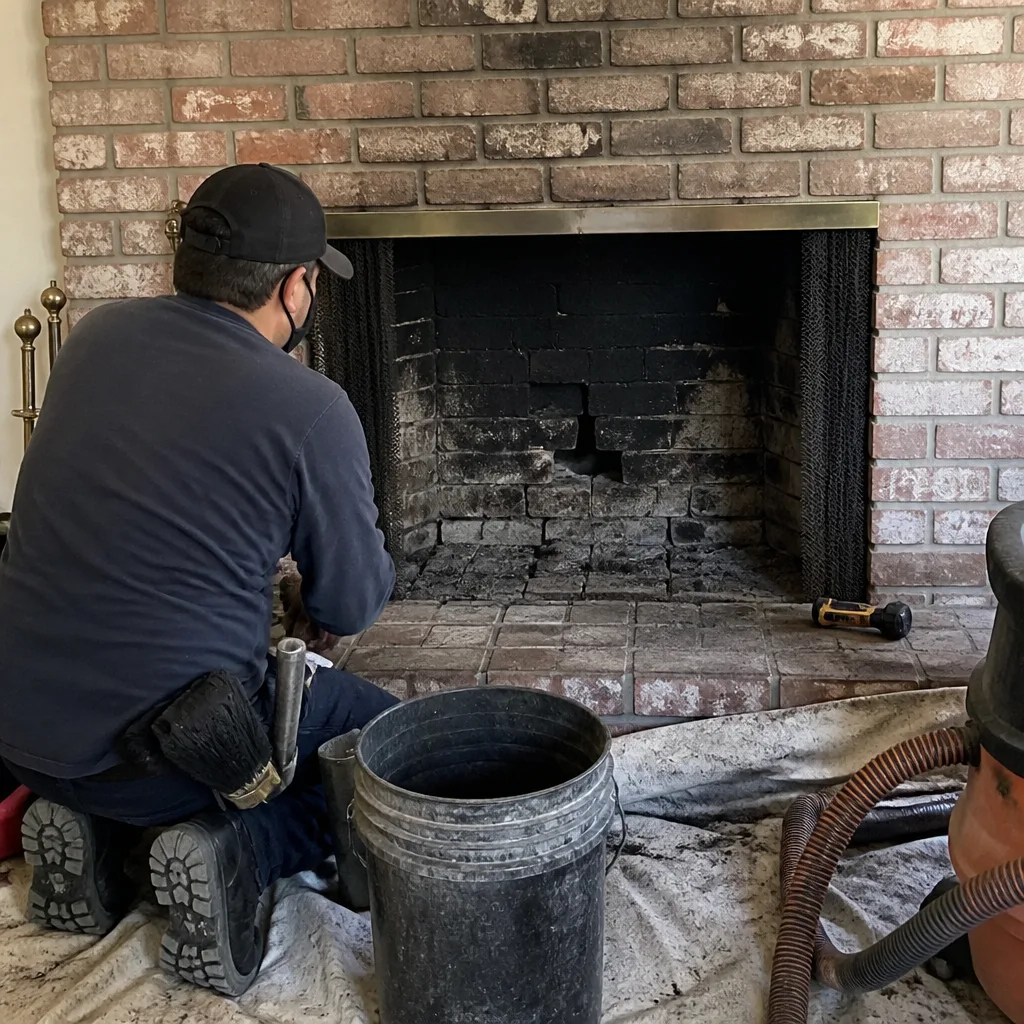 Before
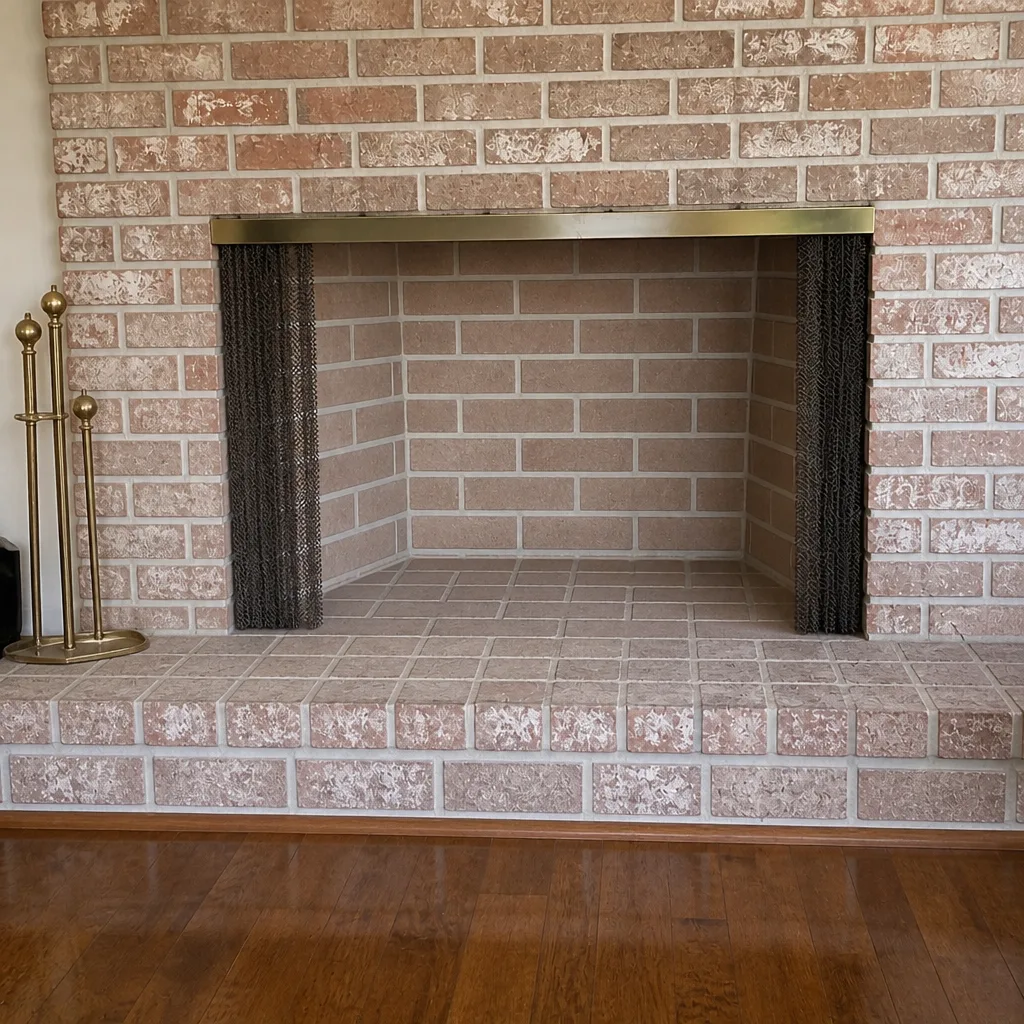 After
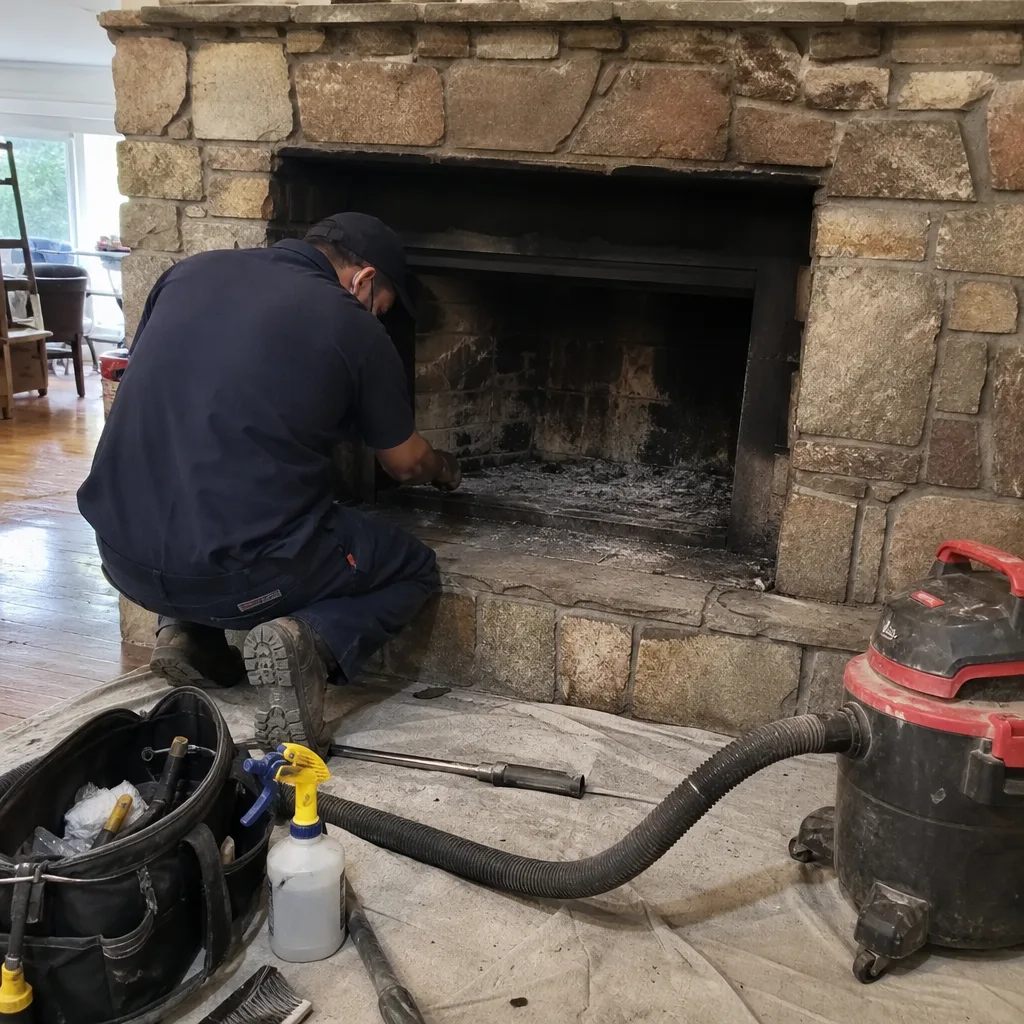 Before
 After
 Before
 After