
Last updated November 4, 2026
 Sweep & inspection
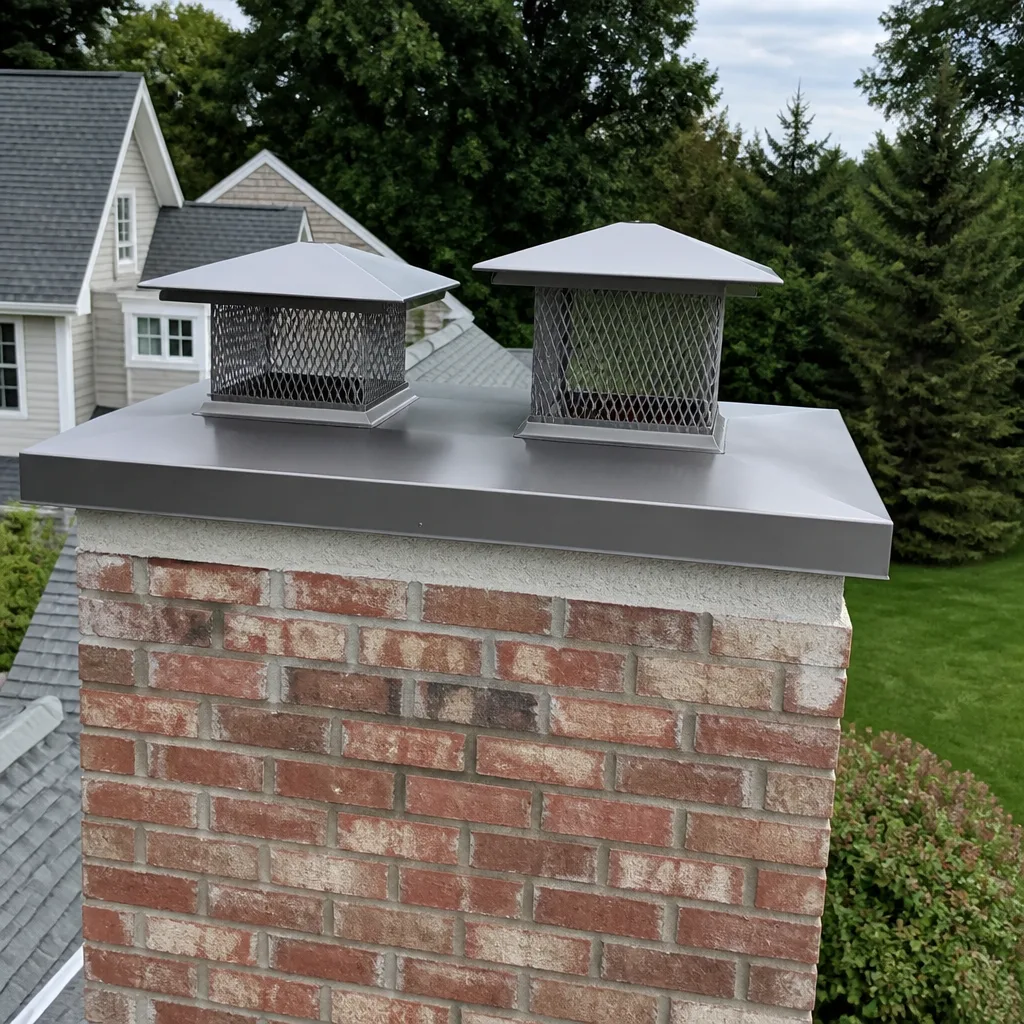 Caps & crowns
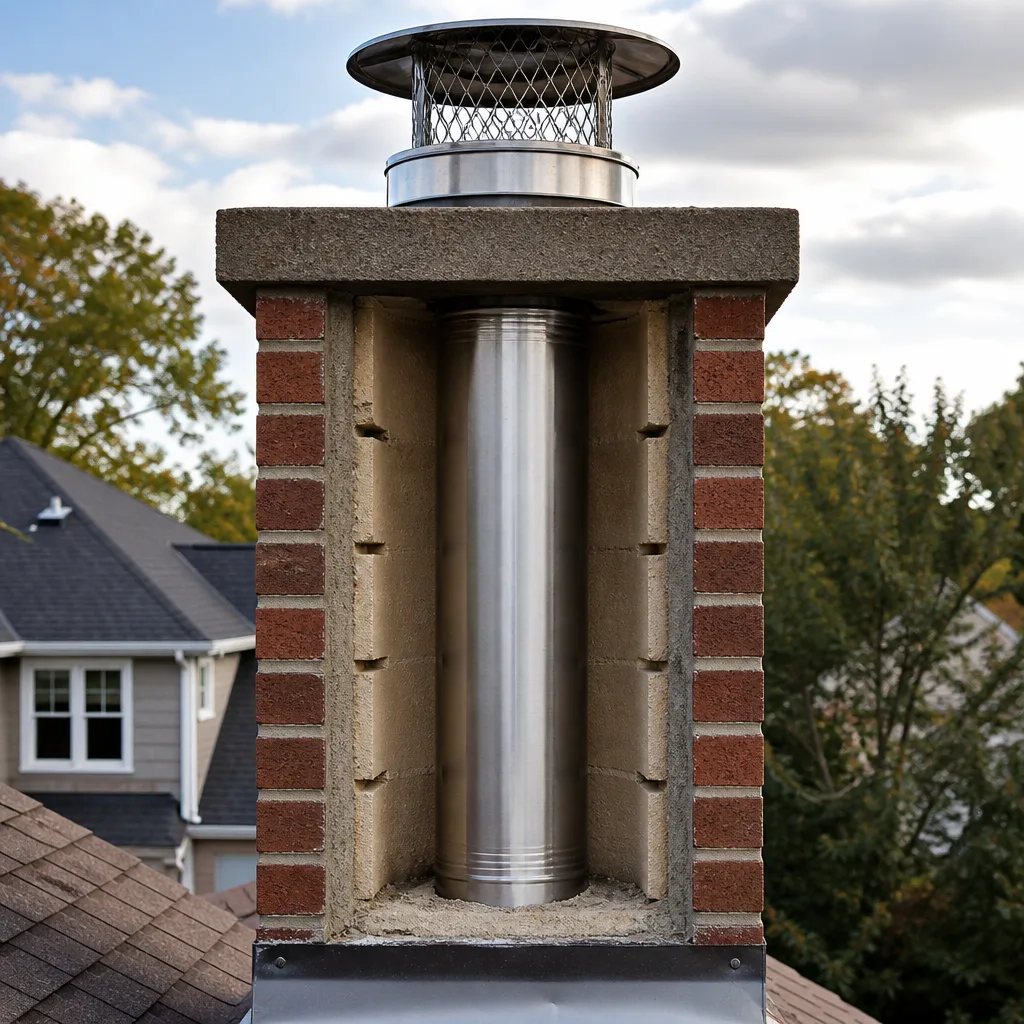 Flue relining
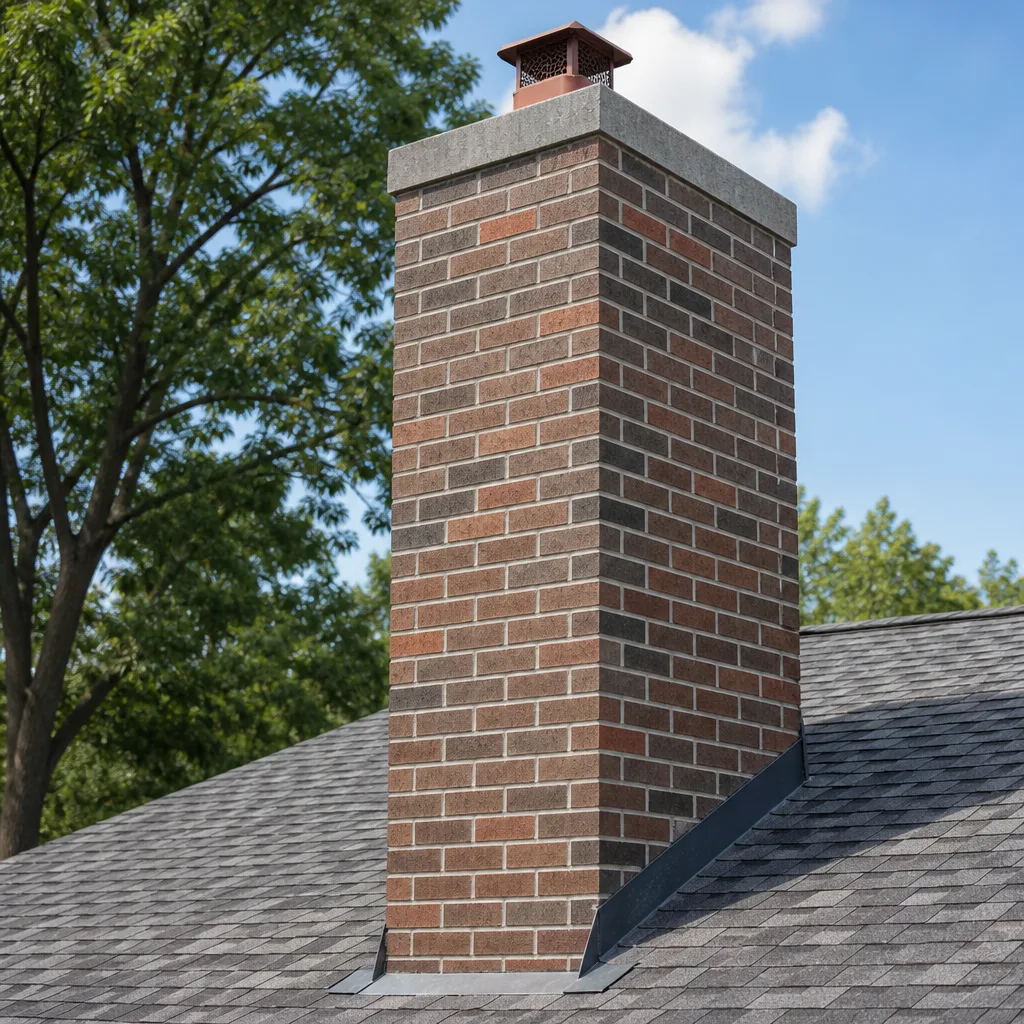 Masonry repair
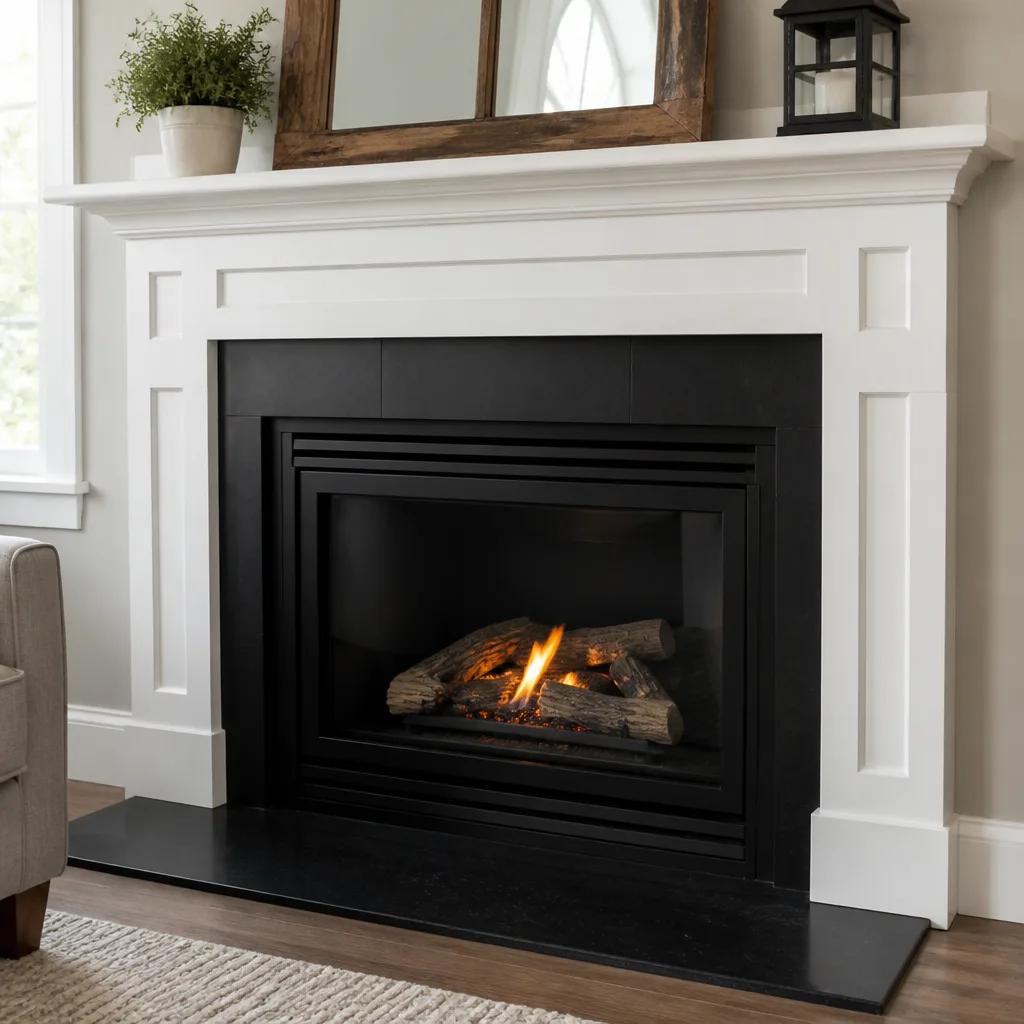 Gas fireplace service
Level 1 sweep and inspection to the NFPA 211 annual standard - flue, crown, cap, and flashing checked and photographed
Chimney sweep logs do not sweep chimneys. They loosen some creosote - which then falls where a brush and vacuum still have to collect it.
Choosing the Right Chimney Cleaning Brand: A Buyer’s Guide for Fremont
Any contractor can put something in a chimney. The real question is whether that something is a UL-listed liner system from a manufacturer that stands behind its product with a transferable warranty, or a hardware-store flex pipe and a tube of silicone. Most Chimney Cleaning Fremont homeowners never think to ask about materials. That is exactly why some repairs fail in two seasons while others quietly do their job for two decades. This guide walks you through what to look for, what to ask, and how to spot the difference between a specialist who uses professional-grade products and a generalist who treats your flue like a handyman side job. By the time you finish, you will know more about chimney product brands than most contractors expect you to, and that knowledge will protect your home in Fremont.
Quick Answer
The right chimney cleaning brand is not a single name, it is a category of professional-grade products installed by a trained specialist. Homeowners in Fremont should look for a contractor who names their materials: UL-listed stainless steel liner systems from manufacturers like DuraFlex, ceramic flue resurfacing products like HeatShield, and purpose-built crown coatings rather than generic silicone. A chimney sweep who can tell you exactly what they install, and why, is the one worth hiring. If they cannot name their liner system or coating brand, keep looking.
Styles & brands we work with
- Sweep & inspection
- Caps & crowns
- Flue relining
- Masonry repair
- Gas fireplace service
Table of Contents
- Why the Brand on the Box Matters More Than the Name on the Truck
- The Four Product Categories Every Homeowner Should Recognize
- UL 1777: The Three Digits That Separate Safe Liners from Guesses
- How to Ask About Materials Without Sounding Adversarial
- Chimney Cap Material: Galvanized vs. Stainless in Fremont Air
- The Transferable Warranty Question That Adds Value to a Home Sale
- Red Flags That Signal a Generalist, Not a Ventilation Specialist
- What We Install and Why We Name Every Product
Why the Brand on the Box Matters More Than the Name on the Truck
A chimney is a contained fire channel running through the middle of your house. The products installed inside that channel have one job: manage heat, corrosive byproducts, and moisture without failing. When a liner cracks, a crown coating peels, or a cap rusts through, the failure is rarely dramatic. It happens slowly, hidden inside the flue, until a chimney sweep finds it with a camera or, in the worst case, a house fire or carbon monoxide leak announces it. The difference between products is not cosmetic. A listed stainless liner is engineered for a specific temperature range and corrosive resistance. A purpose-built ceramic resurfacing compound is formulated to bond to flue tile and withstand flue gas chemistry. Hardware-store substitutes are not engineered for this job at all. They are generic products sold for generic purposes.
In our experience, Fremont homes built in the 1960s through 1980s often have original clay tile liners that are now showing their age. When those liners crack or spall, the repair decision comes down to materials. A generalist may offer a patch job. We repair with products manufactured for exactly this condition, because the fix needs to survive not just this winter but the next twenty. When you choose a contractor, you are also choosing the products they carry on the truck. That choice matters more than the logo on their invoice.
The Four Product Categories Every Homeowner Should Recognize
You do not need to become a chimney technician to shop intelligently. You need to recognize four product categories and understand what they do. When a contractor uses these terms correctly, you know you are talking to a specialist. When they wave a hand and say “we use good stuff,” you have learned something else.
1. Rotary cleaning systems. A rotary chimney sweeping system uses flexible polymer rods connected to a drill, with cleaning heads that spin against the flue walls. The advantage is mechanical action: the spinning heads knock off glaze-level creosote more effectively than a flat wire brush alone. You do not need to know every brand name here, but a sweep who talks about rotary cleaning as part of a standard sweep is signaling that they invested in equipment beyond the basic brush-and-pole kit.
2. Liner systems. This is the biggest-ticket item in chimney repair. A liner is a continuous channel installed inside the existing flue. Professional systems are manufactured from stainless steel alloys selected for flue gas resistance, and they are tested and listed to UL standards. Brands like Copperfield and DuraFlex are recognized in the chimney industry as manufacturers of professional-grade liner components. A liner is not a generic flex pipe. It is an engineered system with specific installation requirements for insulation, termination, and connection to the appliance.
3. Crown coatings. The chimney crown is the concrete-like surface at the top of the chimney that sheds water away from the flue. Crowns crack. The old-school fix is silicone caulk over the crack, which fails quickly. Professional crown coatings are purpose-formulated to bond to masonry, bridge small cracks, and remain flexible through temperature swings. The product itself is a signal: silicone is a patch, a crown coating is a repair.
4. Ceramic flue resurfacing. When a clay tile liner has minor cracks or gaps but the structure is still sound, the chimney can sometimes be resurfaced with a ceramic compound rather than fully relined. HeatShield is a licensed ceramic flue resurfacing system used by certified technicians. Applied properly, it restores a continuous, insulated surface inside the existing flue. This is not improvised patching. It is a defined product system with training and application standards behind it.
UL 1777: The Three Digits That Separate Safe Liners from Guesses
Most homeowners have never heard of UL 1777, but it is the most important number in chimney relining. UL 1777 is a safety standard from Underwriters Laboratories that applies to chimney liner systems. When a liner system is UL 1777 listed, it has been tested for structural integrity, fire resistance, and performance under the conditions a chimney actually experiences. A listed liner is built to a verified standard. An unlisted liner is a metal tube with no verified performance history.
This matters for two reasons. First, safety: a listed liner is engineered to contain flue gases and withstand the temperatures produced by the appliance it serves. Second, insurance: when an insurance company investigates a chimney-related fire, the presence of a listed liner system installed to manufacturer specifications is a strong signal that the homeowner maintained the system properly. An unlisted liner, or a listed liner installed incorrectly, can complicate a claim. We have never met an insurance adjuster who preferred a hardware-store flex pipe over a UL 1777 listed system.
When you are comparing repair quotes, ask directly: “Is the liner system UL 1777 listed?” A specialist answers yes without hesitation and names the manufacturer. A generalist may not understand the question. That answer tells you a lot. The same standard applies to the installation: a listed liner installed by someone who skipped the manufacturer’s insulation requirements is a listed product installed wrong. The product and the installer are a package.
How to Ask About Materials Without Sounding Adversarial
Some homeowners hesitate to ask a contractor about product brands because they do not want to sound suspicious. You should not feel that way. A genuine specialist enjoys answering these questions. The contractor who gets defensive about materials is telling you something without saying it. Here is a step-by-step way to work the questions into a normal conversation.
- Start with the visible problem. “You said the crown has some cracking. What do you use to repair that?” This is a natural question, not an interrogation. Listen for a product category: a crown coating product, not “some caulk.”
- Ask about the liner system by name. “If we need a new liner, what system do you install?” The answer should include a manufacturer name and the phrase UL 1777 listed. If they say “stainless steel liner” without a brand, ask which one. A specialist knows instantly. A generalist stalls.
- Ask about the warranty in writing. “Does the warranty transfer if we sell the house?” This question filters out products with no manufacturer backing. If the contractor cannot answer, the product is probably not from a manufacturer that stands behind it.
- Ask what they do for a cracked flue tile. “Is that a reline or can it be resurfaced?” A specialist can explain both options, including the conditions where resurfacing makes sense. A generalist typically knows only one option, or none.
None of these questions are rude. They are the same questions an informed homeowner asks a surgeon or a mechanic. You are not auditing their character; you are understanding what you are paying for. The right contractor will answer in specifics and enjoy doing it, because the answers are the reason they are better than the competition.
Chimney Cap Material: Galvanized vs. Stainless in Fremont Air
Fremont sits at the eastern edge of the San Francisco Bay, and the air here carries marine influence that most homeowners do not think about until metal starts to rust. A galvanized steel chimney cap in Fremont has a typical service life of three to five years before rust develops, especially on the exposed edges and mesh, because the marine-influenced air accelerates the failure of zinc coatings. A stainless steel cap, on the other hand, resists that corrosion for a much longer service life. The price difference between galvanized and stainless is modest. The replacement difference, including the second service call to install the replacement, is not.
A chimney cap is not a decorative accessory, though it can be. It performs three jobs: it keeps rain out of the flue, it keeps animals and debris out, and it contains sparks. When a galvanized cap rusts through, it stops doing all three. In Fremont, rust-through on galvanized happens faster than it does inland, and the failure tends to be discovered during a routine chimney sweep rather than from the ground. By then, water has already been entering the flue and accelerating damage inside. A stainless steel cap is a small line item on a bigger job, and it is one of the easiest upgrades a homeowner can make when a cap is due for replacement.
We install stainless steel caps on Fremont chimneys and explain why on every single job, because recommending galvanized in this climate is doing our customers a disservice. The product category matters: a purpose-built stainless cap from a manufacturer like Famco or Copperfield is designed for flue termination and spark arrest. A generic vent cap from the hardware store is not.
The Transferable Warranty Question That Adds Value to a Home Sale
When you sell a house in Fremont, you fill out a disclosure statement that asks about the condition of major systems, including the chimney. A documented, professional-grade chimney repair is an asset in that conversation. A patch job is not. The difference often comes down to the warranty. Many professional chimney products carry manufacturer warranties that transfer to a new homeowner. When you have a liner system from a manufacturer like DuraFlex or Copperfield installed correctly, and you keep the paperwork, you can hand that warranty to the buyer. It becomes part of the house, like a roof warranty or a water heater warranty.
Here is the practical question to ask any contractor: “Is the warranty on this liner transferable to a new owner?” If the answer is yes, get it in writing and keep the paperwork with your home records. If the answer is no, or if the contractor does not know, you are looking at a product without meaningful manufacturer backing. The product itself might perform fine, but it adds nothing to the resale package and it signals that the contractor is not working with top-tier materials.
We have worked on Fremont homes that were going through escrow, where a pre-sale chimney inspection found exactly the kind of damage that scares buyers: a cracked flue tile, a rusted damper, a crown that has been patched twice. The sellers who had professional repairs with transferable warranties sailed through. The sellers who had patch jobs had to negotiate repairs under time pressure. The product you choose today becomes a documented asset or a documented liability at the sale. Professional-grade products from recognized chimney industry manufacturers are the only ones that work in your favor.
Red Flags That Signal a Generalist, Not a Ventilation Specialist
A generalist contractor can clean a chimney. They cannot always diagnose what they find, and they cannot usually repair what they diagnose. Here are the signals that tell you the person standing in your living room is not a ventilation specialist.
- They cannot name a liner brand. A specialist installs liner systems from specific manufacturers and can tell you which one and why. A generalist buys whatever flex pipe is on the shelf.
- They offer one fix for everything. Every chimney problem becomes “you need a new liner” or “silicone will fix that.” Real chimney repair is nuanced: some flues need relining, some need resurfacing, and some need only a proper sweep and a small repair.
- They use the word “sweep” for everything. A chimney sweep clears creosote and inspects the flue. It is not a repair service. If the company cannot explain the difference, they probably cannot perform the difference.
- They do not mention dryer vents. A chimney-only company that ignores dryer vent cleaning is not looking at your home’s ventilation as a system. Dryer vent fires are a leading cause of residential fires, and they share root causes with chimney problems: lint and creosote are both combustible accumulations in exhaust channels.
- They bid without an inspection. A real specialist wants to see the flue before quoting a repair. A generalist quotes from the ground or from a photo. You cannot know what a flue needs until you look inside it.
- They call their products “just as good.” That phrase usually means “not listed, not warrantied, not recognized.” Professional-grade products exist because they do a specific job. “Just as good” is not a product category.
What We Install and Why We Name Every Product
We believe every chimney repair quote should name the exact products going into your flue. That is why we say it plainly: we work with professional-grade chimney industry brands including DuraFlex, HeatShield, Gelco, Olympia Chimney, Famco, and Copperfield. These are not names we picked off a catalog. They are the materials we install in Fremont homes because they are engineered for exactly the conditions a chimney creates, and they are the same products certified chimney specialists use across the country. Professional-grade materials, not hardware-store substitutes.
When a flue tile is cracked but the structure is sound, we can resurface it with HeatShield ceramic flue resurfacing. That is a capability most sweep-only companies do not have. When a full reline is required, we install DuraFlex flexible liner systems that restore the flue without tearing out the chimney. We repair what others only report. And because we also provide dryer vent cleaning as a core service, one call covers sweep, repair, and dryer vents, the full ventilation safety picture for a Fremont home.
Here is what to expect when you call us for a repair. We inspect the flue with a camera and show you what we found. If we recommend a liner or a resurfacing job, we will name the product, tell you whether it is UL 1777 listed, and tell you whether the warranty transfers. Nothing is recommended without camera evidence you can see for yourself, and we will say plainly when work can wait. We serve Fremont homeowners, and this is how we have done it since 2011. Clean flues, safer homes.
Common Mistakes to Avoid
- Choosing a contractor by price alone. A $99 sweep special is a marketing tool, not a professional service. The cheapest bid on a liner replacement usually means the cheapest liner product, and that product will cost more when it fails early.
- Treating the chimney as optional annual maintenance. A wood-burning fireplace in Fremont produces creosote every time you use it. Skipping the annual sweep to save money is like skipping an oil change to save money. The bill arrives later and bigger.
- Accepting a patch where a product system is required. Silicone over a cracked crown is not a repair. It is a temporary cover that fails in Fremont’s wet winters. A purpose-built crown coating is the only real fix.
- Ignoring the dryer vent because the chimney company does not mention it. The exhaust channel behind your dryer carries combustible lint. If you are already hiring a ventilation specialist, the dryer vent should be part of the conversation, not an afterthought.
- Buying a cap based on appearance. A decorative cap with a galvanized body will rust in Fremont air while the stainless cap next to it still functions. Choose the material first, the look second.
- Not asking about the warranty. A professional liner system should carry a manufacturer warranty that transfers to a new homeowner. If no warranty exists, the product is probably not a professional-grade system.
- Confusing a sweep with an inspection. A sweep removes creosote. An inspection evaluates the flue, the liner, the crown, and the cap. A proper company does both in one visit and documents the findings.
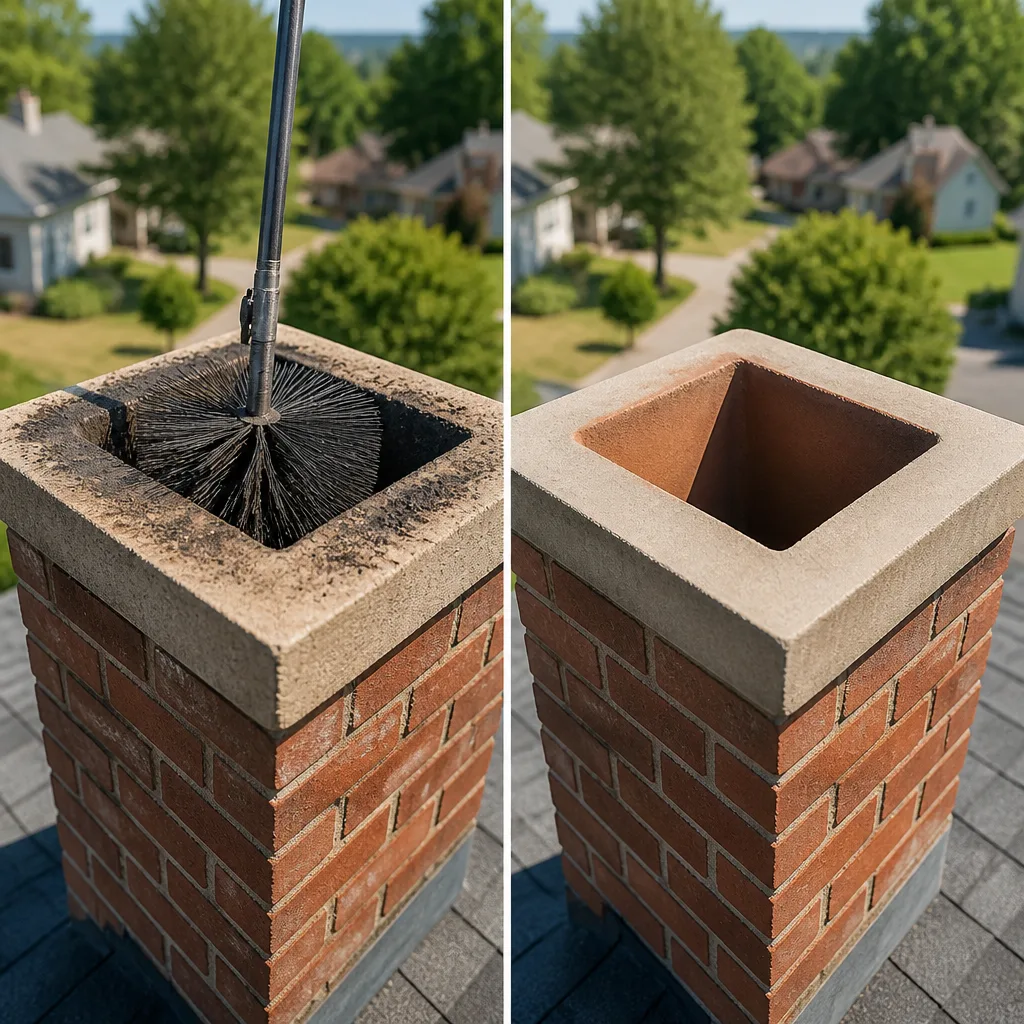
See the difference
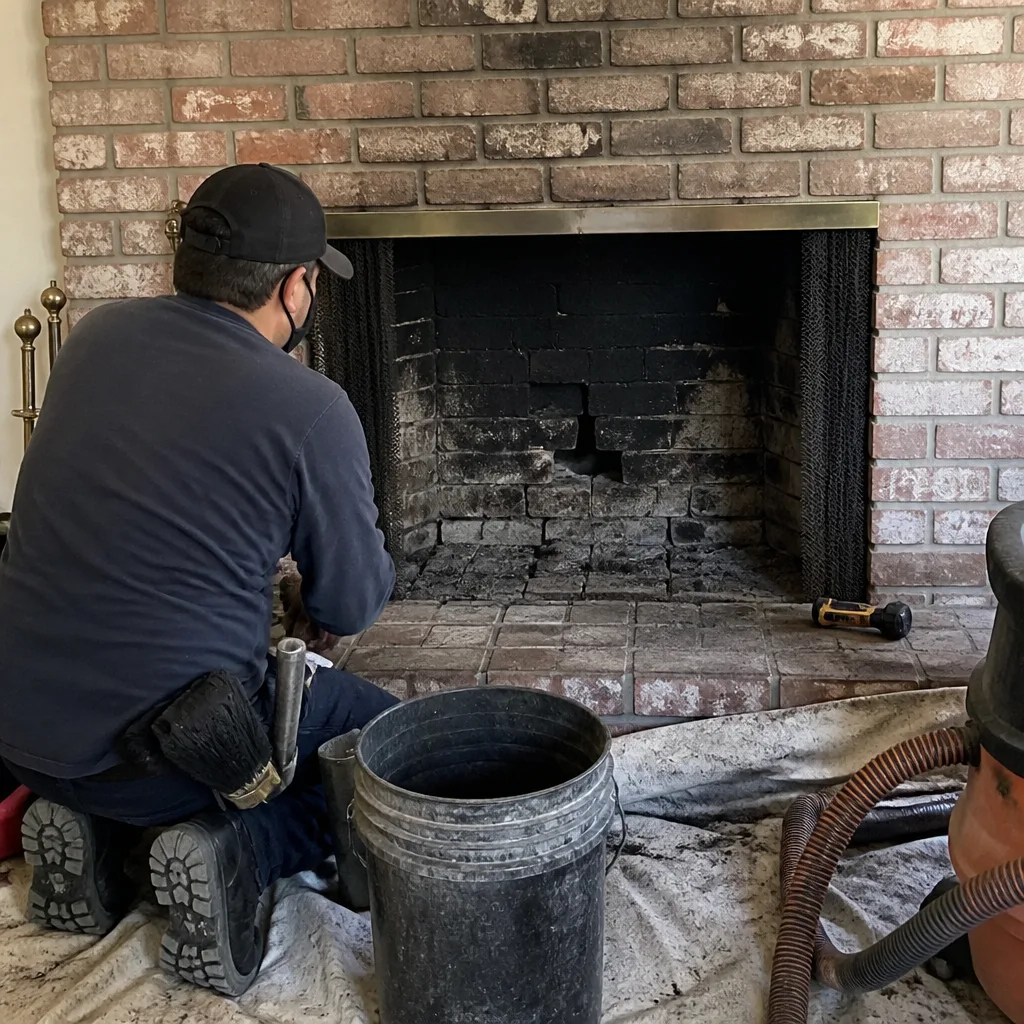 Before
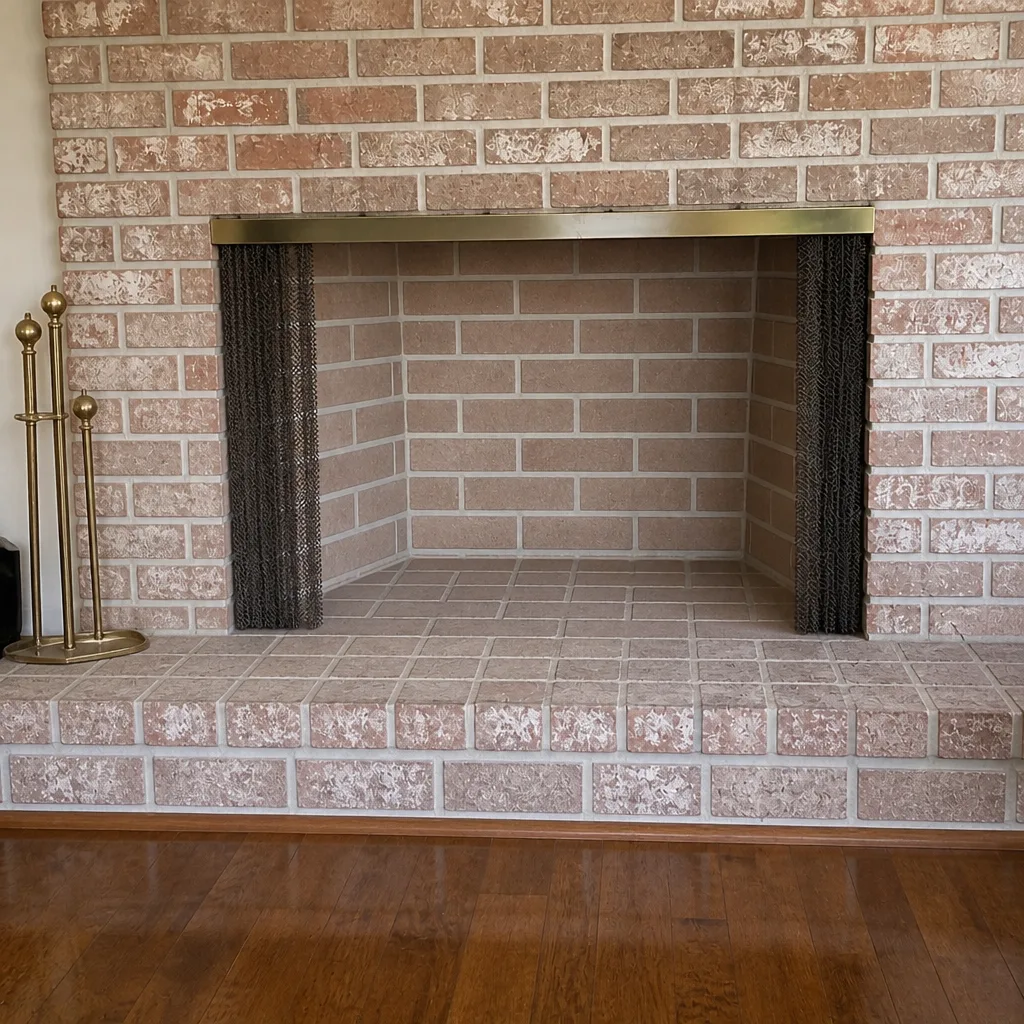 After
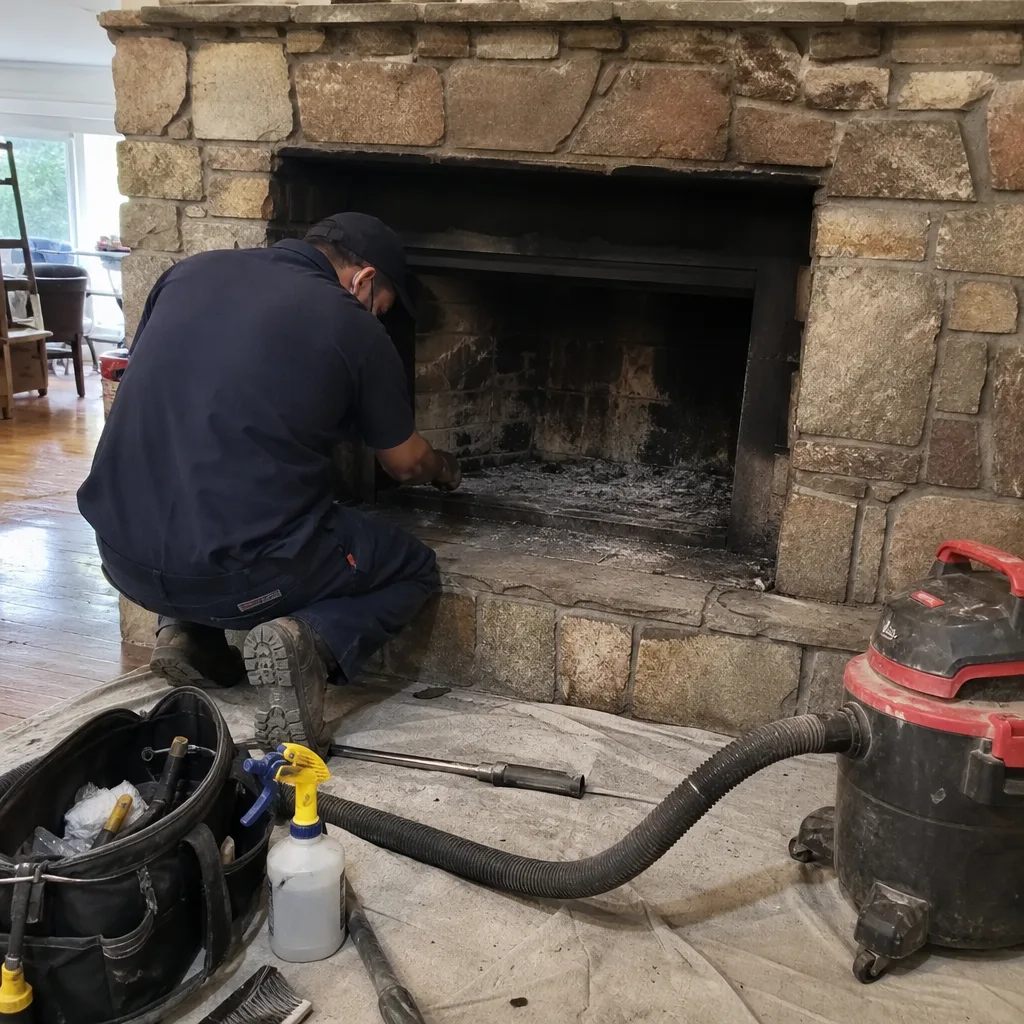 Before
 After
 Before
 After
When to Call a Professional
Call a chimney professional when you see white or dark staining on the ceiling or walls near the chimney, when you smell smoke in the house after the fire is out, when you see flakes of tile or mortar in the firebox, or when it has been more than twelve months since the last inspection. Call immediately if you notice a strong, acrid smell from the fireplace during humid weather, which can indicate creosote buildup absorbing moisture. And call for dryer vent cleaning if clothes are taking longer to dry or the laundry room feels warmer than usual during a cycle. Chimney Cleaning Fremont offers free estimates in Fremont, call (844) 980-4364. We answer 24/7. Fast dispatch from 7am to 7pm, Sunday through Friday.
Frequently Asked Questions
There is no single best brand; the best approach is professional-grade products from recognized chimney industry manufacturers. For liner systems, look for UL 1777 listed stainless systems from brands like DuraFlex or Copperfield. For crown repairs, a purpose-built crown coating outperforms generic silicone every time. For flue tile restoration, HeatShield ceramic resurfacing is a licensed system that restores the flue when the structure is sound. The brand matters less than the category and the listing. Call (844) 980-4364 and we will explain what your specific chimney needs after a camera inspection.
A safe chimney liner is UL 1777 listed and installed exactly to the manufacturer’s specifications. UL 1777 is a testing standard for chimney liner systems that verifies structural integrity and fire resistance. An unlisted liner is just a metal tube with no verified safety record. Ask your contractor directly whether the liner they install is UL 1777 listed, and ask for the manufacturer name. We will show you our camera findings and explain exactly what is going into your flue before any work begins. Call (844) 980-4364 for a free estimate.
Most wood-burning fireplaces should be swept once per year, or after every cord of wood burned, whichever comes first. Fremont’s mild winters mean shorter burn seasons than colder climates, but creosote still accumulates with every fire, and it does not disappear in the off-season. Gas fireplaces need inspection annually too, though they produce less creosote. A chimney sweep removes the creosote and inspects the flue at the same time. Call (844) 980-4364 to schedule, free estimates are available.
HeatShield and a new liner serve different conditions, and neither is categorically better. HeatShield ceramic flue resurfacing works when the clay tile liner has cracks or gaps but the chimney structure is sound; it restores a continuous ceramic surface inside the existing flue. A new stainless liner system is required when the damage is extensive or the flue needs resizing for a different appliance. The right answer comes from a camera inspection, not a brochure. Call (844) 980-4364 and we will show you exactly what your flue needs.
Yes, in Fremont’s marine-influenced air, a stainless steel cap is worth the modest extra cost. Galvanized caps typically rust through in three to five years here because the coastal air accelerates zinc coating failure. A stainless cap from a manufacturer like Famco or Copperfield will outlast it by years. Replacing a rusted cap is a small job, but the water damage a failed cap allows into the flue is not. Call (844) 980-4364 to schedule an inspection, we answer 24/7.
Some chimney work can wait, and some should not, and the determining factor is usually what a camera inspection finds. A minor crack in a crown can usually wait a few months. A cracked flue tile that is leaking flue gas into the chimney chase should be addressed promptly. The only way to know is to look inside. We will tell you plainly if the work can wait, and we will show you the footage that supports that answer. Call (844) 980-4364 for a free estimate in Fremont.
The Bottom Line
The products installed in your chimney are the difference between a repair that lasts and a repair that fails, and Fremont homeowners who ask about those products protect their homes and their property value. Demand named brands, UL 1777 listings, and transferable warranties. Accept nothing less than the same professional-grade systems used by certified chimney specialists across the country. When the contractor can name their liner system and crown coating without hesitation, you are talking to the right company. Chimney Cleaning Fremont has served Fremont since 2011. Call (844) 980-4364, we answer 24/7, fast dispatch from 7am to 7pm, Sunday through Friday. Clean flues, safer homes.
Written by the team at Chimney Cleaning Fremont, serving Fremont since 2011.