
Last updated November 4, 2026
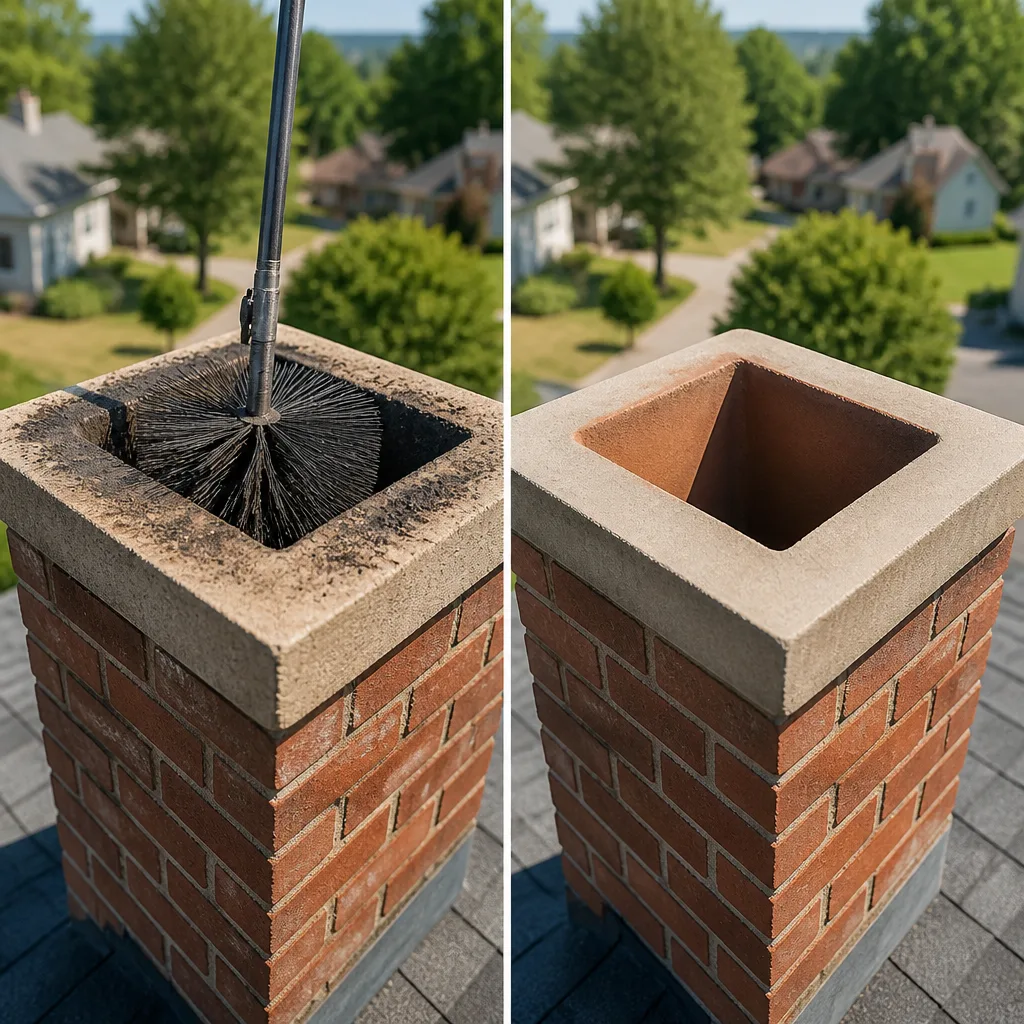 Sweep & inspection
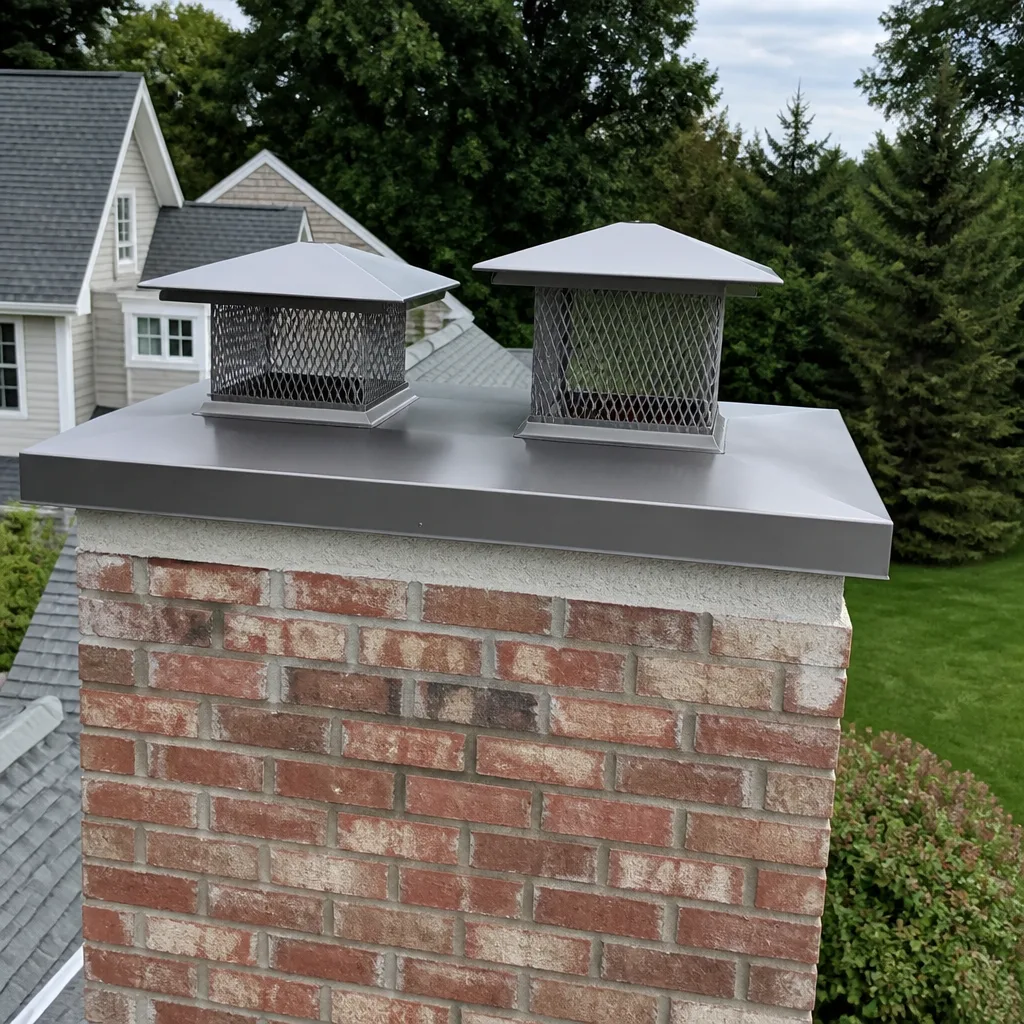 Caps & crowns
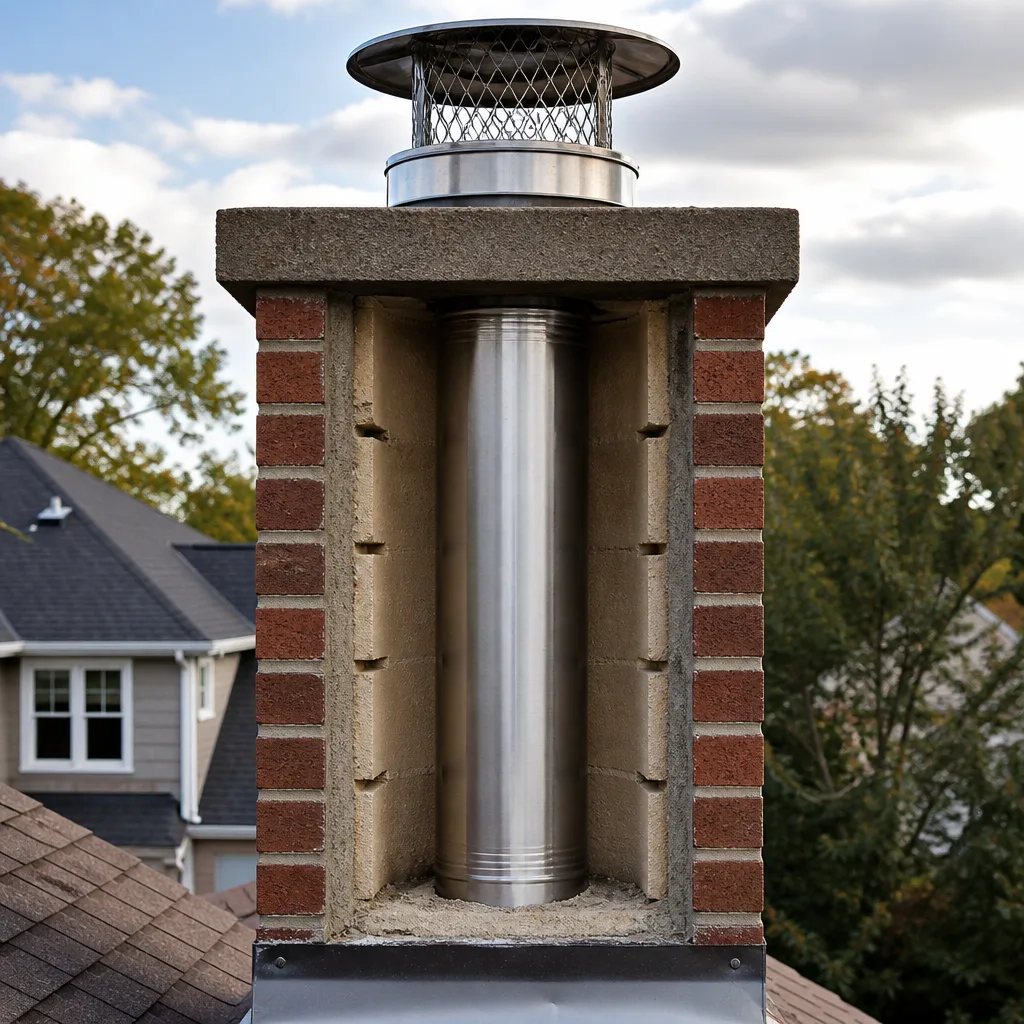 Flue relining
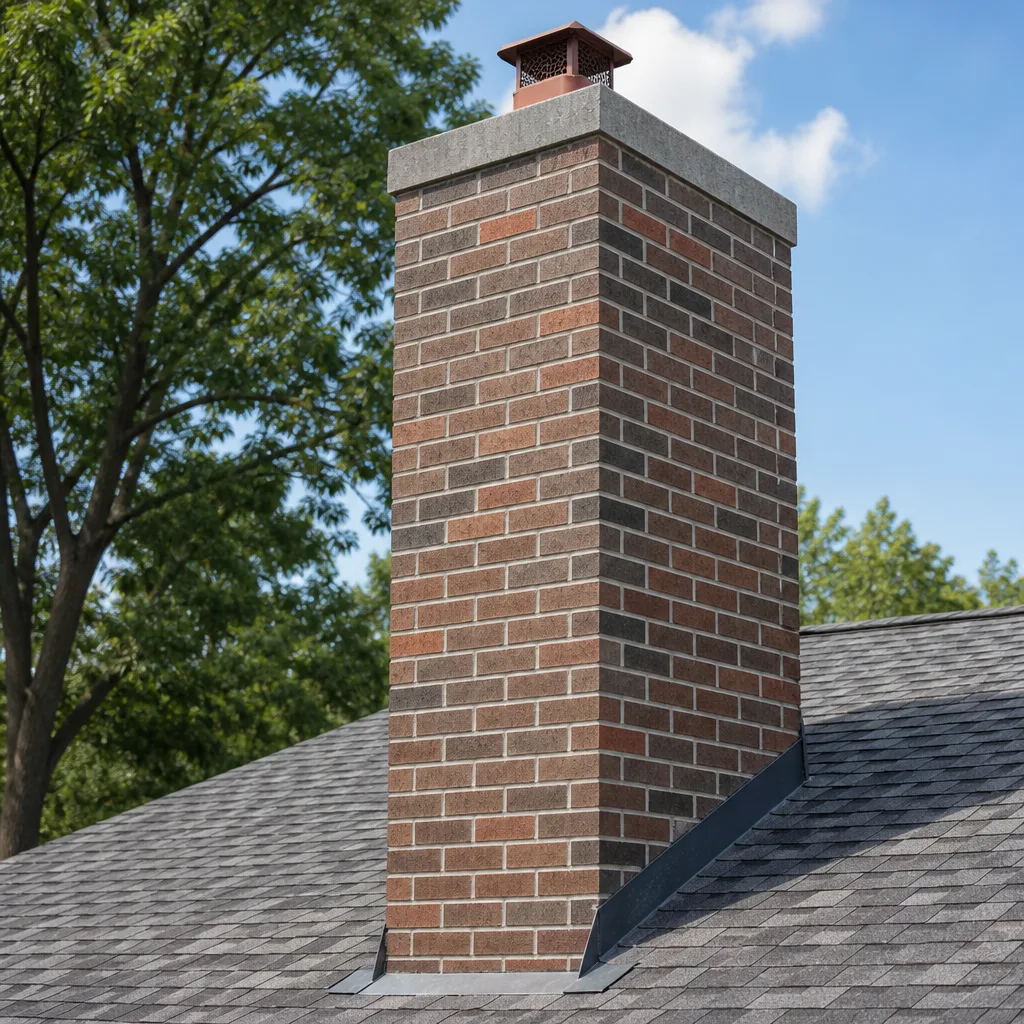 Masonry repair
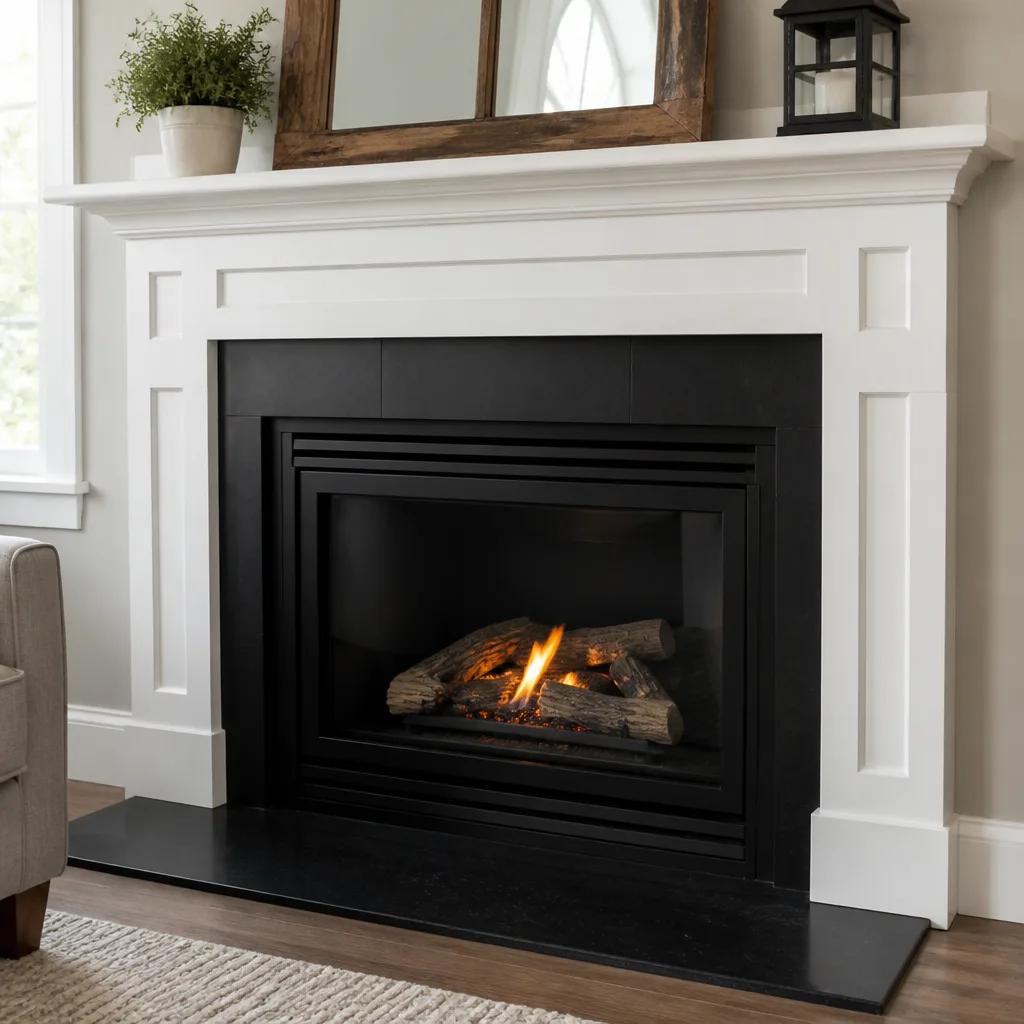 Gas fireplace service
Level 1 sweep and inspection to the NFPA 211 annual standard - flue, crown, cap, and flashing checked and photographed
Chimney sweep logs do not sweep chimneys. They loosen some creosote - which then falls where a brush and vacuum still have to collect it.
Seasonal Chimney Cleaning Care for Fremont: Year-Round Homeowner’s Guide
Scheduling your chimney sweep in September because “everyone does it in fall” is the correct instinct for Minneapolis. In Fremont, it misses the April window when rain damage from winter is fresh and cheapest to fix. Most national chimney advice ignores our actual climate entirely. This guide replaces the outdated fall-only sweep calendar with a Fremont-specific rhythm built around two critical windows: pre-burn-season prep in October, and post-rainy-season assessment in April. You’ll learn exactly what your chimney needs during each stretch of the year, why summer pest exclusion matters more than cleaning here, and how to time service so you’re never paying emergency prices for problems a seasonal check would have caught early.
Quick Answer
Seasonal chimney care in Fremont means preparing your fireplace before the first permitted burn day in October and inspecting for rain damage after the wet season ends in April. Between those windows, your priorities shift: winter is for catching water intrusion during dry spells, summer is for pest exclusion and cap integrity. A professional chimney sweep should inspect your system at least once per year, timed to how you actually use your fireplace, not a generic fall calendar.
Styles & brands we work with
- Sweep & inspection
- Caps & crowns
- Flue relining
- Masonry repair
- Gas fireplace service
Table of Contents
- Why Fremont’s Climate Rewrites Standard Chimney Advice
- The October Prep Window: What to Confirm Before Burn Season
- January Through March: Rainy Season Threats to Your Chimney
- April and May: The Post-Rain Assessment Window
- June Through September: Pest Exclusion and Dry-Heat Concerns
- How Gas Insert Owners Should Time Their Annual Service
- Common Mistakes to Avoid
- When to Call a Professional
Why Fremont’s Climate Rewrites Standard Chimney Advice
Fremont sits in a microclimate zone that most national chimney guides simply do not account for. We get roughly 15 to 20 inches of rain per year, nearly all of it falling between November and April. Our winters are mild, with daytime temperatures rarely dipping below the mid-50s even in January. We never deal with freeze-thaw cycles, snow load, or ice dams. What we do deal with is a concentrated wet season that saturates masonry, followed by a long dry season that bakes whatever moisture damage occurred.
That rhythm changes what your chimney actually needs and when it needs it. A chimney in Minnesota faces its greatest stress from freeze-thaw expansion. A chimney in Fremont faces its greatest stress from water absorption during sustained rain, followed by drying cycles that cause efflorescence, spalling, and cracked crowns to reveal themselves gradually. The damage is slower to show and easier to miss if you’re only looking once a year in the fall.
Our dry summers create a different problem entirely. Birds, squirrels, and raccoons are highly active in Fremont’s residential neighborhoods from June through September, and an uncapped or poorly capped flue is an invitation. We have seen more pest-related chimney damage originate in summer months than in any other season. That makes summer pest exclusion a more urgent service here than routine sweeping.
Understanding this two-window system, October for preparation and April for assessment, saves Fremont homeowners real money. The repair contractors who can handle masonry work and liner replacement are less backlogged in April and May than they are in October, when every homeowner in the Bay Area suddenly remembers their fireplace exists. Booking your post-season assessment in spring means faster service and often lower pricing on non-emergency work.
The October Prep Window: What to Confirm Before Burn Season
October is when Fremont homeowners who use wood-burning fireplaces should complete their pre-burn-season preparation. The first BAAQMD-permitted burn days typically arrive in November, which means October is your working window to confirm the system is safe and functional before you’re tempted to light that first fire.
Here is what a proper October chimney check should confirm, whether you do a visual inspection yourself or have a professional handle it:
- Damper function: The damper should open and close fully without sticking. A damper that won’t close properly lets conditioned air escape all winter, and one that won’t open fully creates a smoke hazard. Summer heat and dust can cause dampers to seize.
- Cap and spark arrestor integrity: The chimney cap should be securely attached with no visible gaps or rust-through. A damaged cap after summer heat and wind means rain will enter your flue during winter storms, and pests have already had months to establish nests.
- Visible creosote in the flue: If you can see dark, shiny, or crusty buildup in the flue with a flashlight, you need a sweep before burning. Creosote ignites at around 451 degrees Fahrenheit, and fireplace temperatures routinely exceed that.
- Firebox condition: Check for cracked firebrick, deteriorated mortar joints, or signs of previous water entry like staining or efflorescence on the firebox walls.
- Smoke chamber and shelf clearance: These areas collect creosote and debris quickly. A professional sweep will clear them as part of standard service.
If you skipped your spring assessment or didn’t use the fireplace at all last season, October is also the time to catch up on any deferred maintenance. The key is doing this before the first burn day, not after smoke backs up into your living room or a chimney fire sparks.
For homeowners in Fremont’s older neighborhoods like Niles, Glenmoor, or Centerville, homes built before 1980 often have original clay tile liners that deserve extra attention during October prep. Clay liners crack over time from thermal stress, and a cracked liner isn’t visible from the rooftop. A professional inspection with camera equipment can document liner condition before you light the first fire.
January Through March: Rainy Season Threats to Your Chimney
Fremont’s rainy season runs from November through April, with the heaviest and most consistent rain typically arriving in January through March. During these months, your chimney’s masonry crown, mortar joints, and flashing are under near-constant assault from water. This is the season when small problems become expensive ones.
Three specific areas take the most damage during Fremont winters:
- The chimney crown: The crown is the concrete or mortar cap at the top of the chimney that sheds water away from the flue. Hairline cracks in a crown allow water to penetrate the chimney structure. Over weeks of rain, that water migrates through the masonry, causing spalling bricks, deteriorated mortar, and eventually interior leaks. A cracked crown is the single most common source of chimney water damage we see in Fremont homes.
- Mortar joints: Older chimneys with lime-based mortar absorb water during rain events. When that water evaporates during dry spells between storms, it deposits salts that slowly erode the mortar. This is why chimneys in Fremont often show significant mortar deterioration after a few wet seasons if they haven’t been repointed.
- Flashing: The metal flashing where the chimney meets the roofline is a frequent leak source. Wind-driven rain can work its way under improperly sealed flashing, causing water damage to ceilings and walls adjacent to the chimney chase.
Here’s the counterintuitive part about winter chimney maintenance in Fremont: the best time to inspect is during a dry spell between storms, not after the rainy season ends. Why? Because if a crack in the crown or flashing is leaking, evidence of moisture intrusion is visible immediately after rain. You can catch the problem while it’s happening, document it, and sometimes prevent a full season of water damage rather than discovering it after four months of cumulative exposure.
We’re not suggesting you get on your roof during a storm. But a professional inspection during a January or February dry spell, when there’s a break in the rain, can identify active leaks that would otherwise go unnoticed until water stains appear on your ceiling in March. If you notice water stains on walls or ceilings near your fireplace during winter, or hear dripping sounds from the chimney chase during storms, call for an inspection sooner rather than later.
April and May: The Post-Rain Assessment Window
By April, Fremont’s rainy season is winding down. This is the most important, and most overlooked, window in the seasonal chimney calendar. Here’s why: the damage done during four months of rain is now visible in its earliest stages, and repair contractors have not yet been overwhelmed by fall demand.
A proper post-rainy-season assessment should include checking for these specific things:
- Efflorescence: That white, chalky deposit on the exterior chimney brick is mineral salts left behind when water evaporates from the masonry. It’s a telltale sign that water is entering the chimney structure. Fresh efflorescence in April tells you exactly where water has been getting in during the winter.
- Cracked or spalled brick faces: When bricks absorb water and then dry out, the surface can flake off or crack. This is called spalling, and it’s progressive. Once a brick face has spalled, the softer interior is exposed to even more water absorption.
- Crown crack expansion: Cracks that were hairline in October may have widened after a winter of rain. A professional can seal narrow cracks or recommend crown reconstruction if the damage is extensive.
- Damper and firebox condition after non-use: Even if you didn’t burn at all during winter, the firebox and damper absorbed ambient moisture. Surface rust on dampers and damp-stained firebrick are common after Fremont winters.
- Liner condition changes: If you had a known liner issue deferred from fall, April is when you should reassess. The rainy season often accelerates deterioration in clay liners, and catching it in April gives you months to plan a repair rather than weeks before burn season.
The financial advantage of scheduling this assessment in April or May is significant. Chimney repair contractors in the Bay Area face their heaviest demand from September through November. By April, that backlog has cleared. You’ll get faster scheduling, more attention to detail, and often a better rate on non-emergency masonry repair or liner work. We repair what others only report, and spring is when we’re able to complete that repair work most efficiently.
June Through September: Pest Exclusion and Dry-Heat Concerns
Summer in Fremont is dry, with daytime temperatures regularly reaching the 80s and 90s in July through September. This is the season when pest exclusion becomes your chimney’s primary need, not cleaning. The animals that want to live in your chimney don’t care about creosote levels, but they absolutely care about whether there’s an open or damaged cap giving them access.
Here’s what happens in Fremont neighborhoods during the dry months: squirrels and raccoons are raising young and looking for secure nesting sites. A chimney with a damaged, missing, or improperly fitted cap is among the most attractive options they’ll find. Birds build nests on chimney shelves and in flues. Raccoons can tear off damaged caps and enter the flue itself.
Why pest exclusion matters more than sweeping in summer:
- Nesting materials become a fire hazard in fall: Bird nests, twigs, and dried leaves accumulated in a flue during summer become kindling the first time you light a fire in November. The first fire of the season in a pest-occupied chimney is a common cause of chimney fires.
- Leaves and debris block draft: Even without animals, summer winds deposit leaves and debris in uncapped or improperly capped flues. A blocked flue causes smoke to back up into your home when you first light a fire.
- Animal waste creates health hazards: Raccoon and squirrel droppings in a chimney can carry pathogens. If an animal has been in your chimney, professional removal and cleaning are necessary before you use the fireplace again.
- Dead animals create odor problems: Animals that enter a chimney and can’t escape may die there. Removing a dead animal from a flue is not a DIY job.
A stainless steel chimney cap with proper mesh screening is the single best investment you can make for summer chimney protection. All of that repair and replacement work is done for Fremont homeowners because it’s the solution to the most common summer chimney problem, not because it’s an upsell. Professional-grade caps from brands like Olympia Chimney and Copperfield are built to withstand years of Fremont sun and occasional winter storms without rusting or warping the way hardware-store caps do.
Summer is also a good time to address any deferred maintenance from spring. If your April assessment identified crown cracks or mortar deterioration that you didn’t prioritize, summer’s dry weather creates ideal conditions for masonry repair work. Mortar and sealants cure best in dry, moderate conditions, and Fremont’s summer provides exactly that.
How Gas Insert Owners Should Time Their Annual Service
Gas fireplace owners in Fremont often assume their chimneys need less attention than wood-burning fireplaces. That’s only partially true. Gas inserts produce no creosote, which eliminates the chimney fire risk that drives wood-burning chimney maintenance. But gas systems have their own service needs, and the timing is different.
Here’s the key difference: gas inserts should be serviced before the heating season, not after. Here’s why. During the months when you run your gas fireplace most heavily, byproducts of combustion deposit a corrosive residue in the flue. Over time, this residue can damage the liner. More importantly, a gas insert that runs all winter develops soot buildup on the logs, burner, and glass that affects performance and can create incomplete combustion issues.
We recommend gas insert owners schedule service in September or October:
- Confirms venting system is clear: A blocked or restricted flue on a gas insert creates carbon monoxide risk inside the home. This is the single most important safety check for gas fireplace owners, and it should be done before you start using the unit heavily.
- Identifies thermocouple or thermopile wear: These components age with use, and they tend to fail at the beginning of a new heating season, not the end of the previous one. Catching weakness in October prevents a mid-December shutdown.
- Document small liner issues before they worsen: Gas flues deteriorate differently than wood-burning flues. The residue from gas combustion is acidic, and when combined with Fremont’s winter humidity, it can accelerate liner corrosion. A pre-season inspection tells you whether the liner is still sound.
Gas insert owners can stretch the time between professional cleanings longer than wood-burning owners, but the inspection itself should still happen annually. If your gas insert has a DuraFlex liner, that’s a good sign for longevity: professional-grade flexible liners resist the acidic corrosion from gas combustion far better than older rigid or clay liners. But even a DuraFlex liner can clog with debris or suffer damage from pest intrusion during summer months.
The time to Chimney Cleaning Fremont professionals recommend for gas insert service is unambiguously September through October, before the heating season begins in earnest. If you miss that window, the second-best time is any dry spell during winter, before you’ve put hundreds of hours of use on the unit.
Common Mistakes to Avoid
- Following East Coast seasonal advice: National chimney guides assume freeze-thaw cycles and snow load. Fremont has neither. Following a fall-only sweep calendar means you miss the April assessment window that catches rainy-season water damage early and cheaply. Build your schedule around Fremont’s actual weather pattern: October prep, April assessment, summer pest exclusion.
- Assuming no fires means no maintenance: Many Fremont homeowners skip chimney service because they used the fireplace only a few times or not at all last winter. But an unused chimney still suffers water intrusion, pest invasion, and liner deterioration. The system needs inspection regardless of usage, especially after a wet Fremont winter.
- Treating a chimney cap as optional: In Fremont’s dry summers, an uncapped or damaged cap is an open invitation for squirrels, birds, and raccoons. A stainless steel cap is the cheapest insurance you’ll buy for your chimney. Skimping on the cap means paying for animal removal, nest remediation, and potentially a chimney fire in November.
- Ignoring efflorescence on exterior brick: That white, chalky deposit isn’t a cosmetic issue. Efflorescence means water is moving through your chimney masonry, and it will eventually cause spalling, cracked bricks, and structural deterioration. Document it in April, address it by summer.
- Deferring crown repair because it “looks fine”: A cracked chimney crown is the most common source of chimney water damage in Fremont homes, and cracks are often invisible from the ground. If you haven’t had the crown inspected at roofline level in the last two years, you don’t actually know its condition.
- Using a summer cleaning to “catch up” on winter damage: Summer is for pest exclusion and masonry repair, not for diagnosing winter water damage. By June, the evidence has been obscured by drying conditions. The diagnostic window is April through May, and missing it means you’ll face the same problems again next winter.
- Cleaning a gas insert chimney after the burning season: Gas insert owners should service their systems before the heating season starts. A blocked flue on a gas insert is a carbon monoxide hazard, and finding that out in January is not how you want to start the year.
When to Call a Professional
Some chimney maintenance tasks are genuinely DIY-friendly: checking the damper operation, looking for visible staining on the firebox, or doing a ground-level inspection of the cap with binoculars. But several situations demand professional attention. If you see water stains on walls or ceilings near the chimney during or after rain, call. If you notice a smell coming from the fireplace during summer months, you may have a dead animal or nesting material in the flue; call. If you see smoke backing into the room when you light a fire, or hear crackling above the firebox that sounds like more than normal wood popping, call. If you can see white efflorescence on the exterior chimney brick, or if you haven’t had a professional inspection in more than a year, call. Chimney Cleaning Fremont offers free estimates in Fremont, including dryer vent cleaning, which we treat as a core safety service, not an afterthought. Call (844) 980-4364. We answer 24/7. Fast dispatch from 7am to 7pm, Sunday through Friday.
See the difference
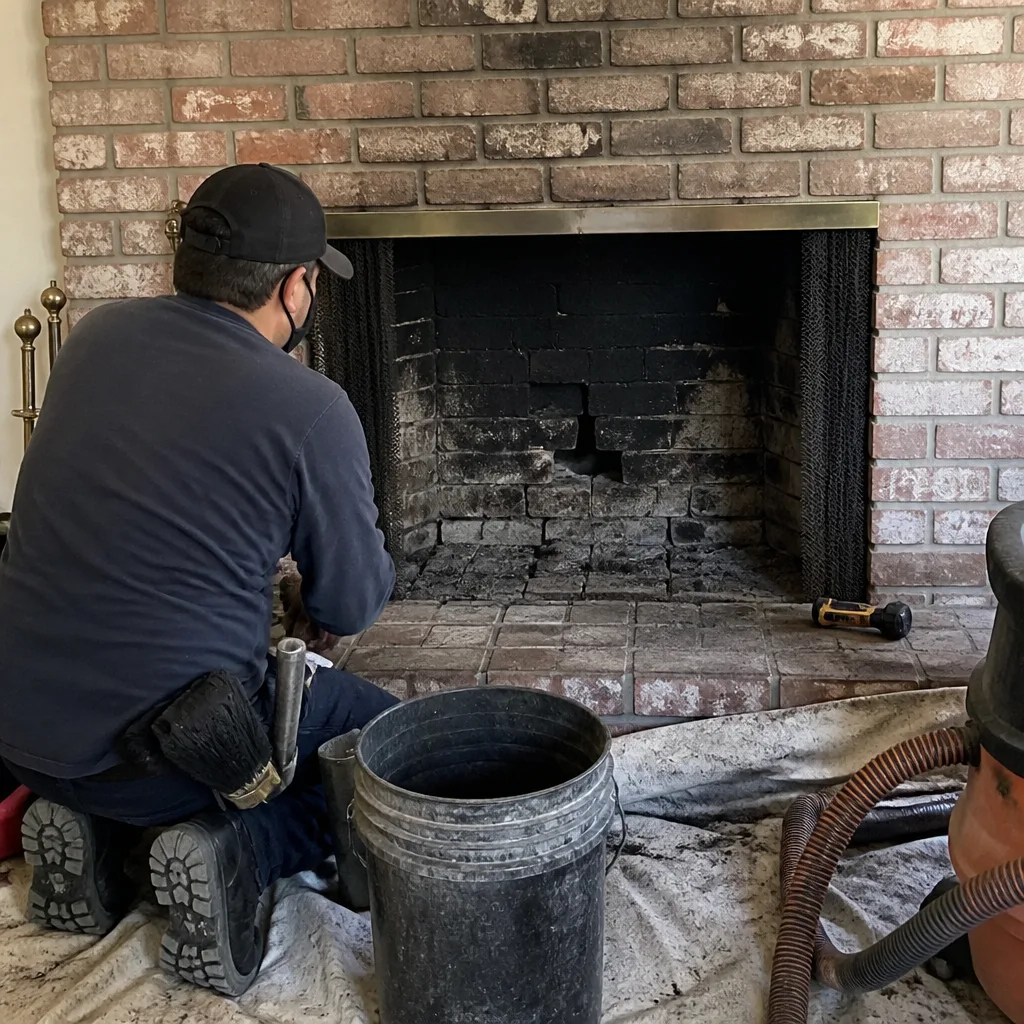 Before
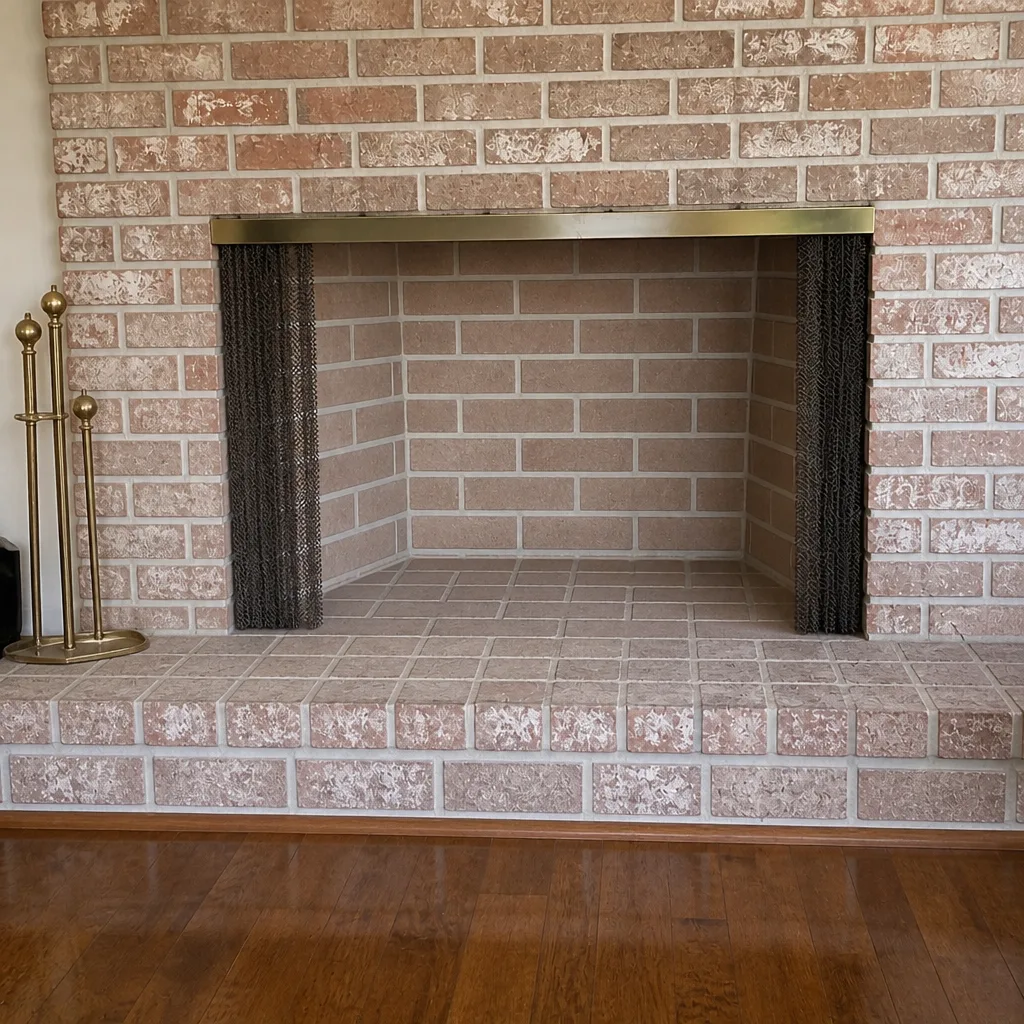 After
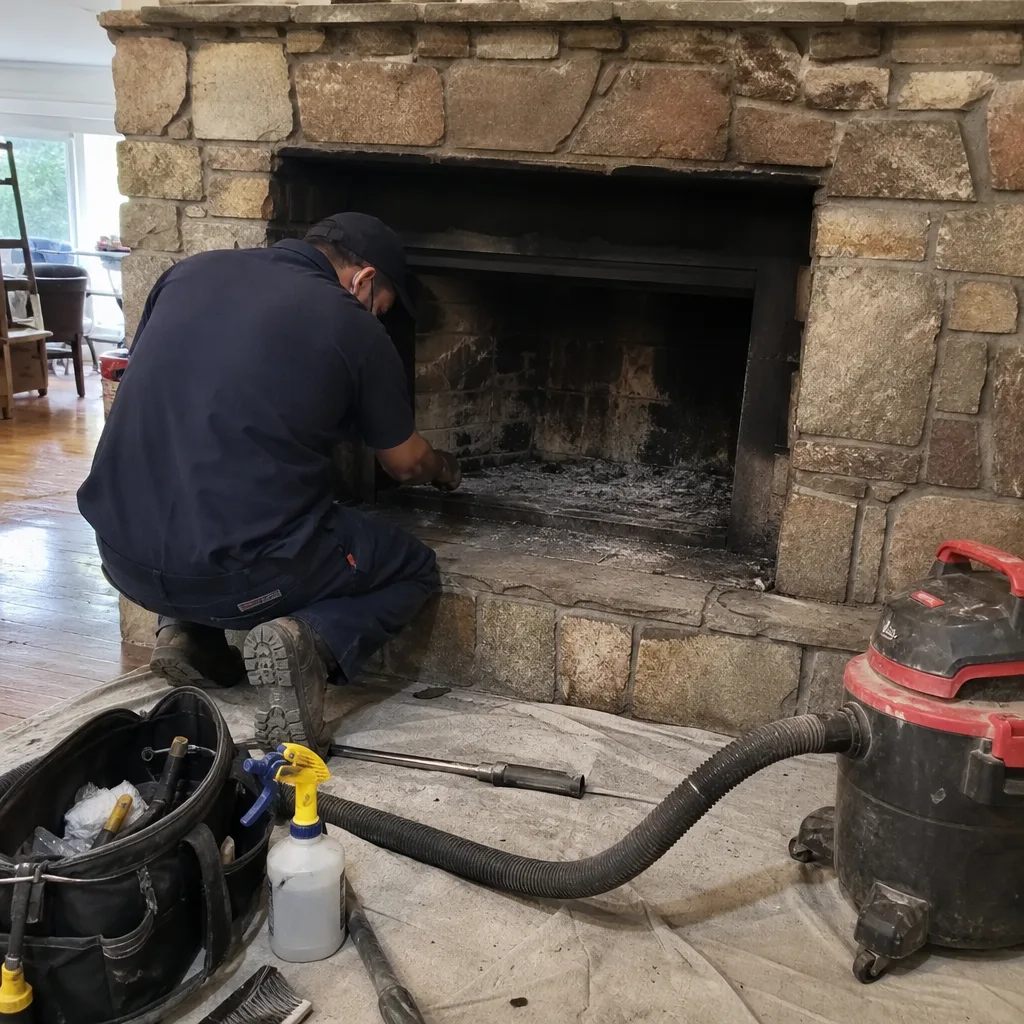 Before
 After
 Before
 After
Frequently Asked Questions
Once per year is the standard, timed to how you use your fireplace. Wood-burning fireplaces should be swept before the burn season begins in late October or early November. Gas insert chimneys need less frequent sweeping but should still be inspected annually, ideally before the heating season starts. If you burn more than two cords per season or burn green/unseasoned wood, you may need two cleanings per year.
In Fremont, a standard chimney sweep with inspection typically runs between $180 and $350 depending on the size of the flue, the amount of creosote or debris removal required, and whether animal nests need to be cleared. The final price is set by the written estimate, not a flat rate. If you need liner replacement, cap repair, or masonry work, that’s a separate scope with its own pricing. Call (844) 980-4364 for a free estimate.
You should never accept a liner replacement recommendation without seeing camera evidence. A cracked clay tile liner or corroded metal liner isn’t visible from the rooftop or with a flashlight. Professional inspection equipment documents the damage so you can see it yourself. If the liner is intact but has minor damage, options like HeatShield ceramic resurfacing may restore it without full replacement. We repair what others only report, and we’ll show you the proof before recommending any major work.
Skipping one year of maintenance usually creates the conditions for bigger problems later. In Fremont specifically, a skipped year means no post-rainseason crown and flashing check, which allows water intrusion to progress unnoticed. By the time you see interior water stains, the damage has extended far beyond what early intervention would have cost. A skipped summer means pest nesting in the flue, which becomes a fire hazard in November. The risks compound quickly.
You can handle the firebox-level checks yourself: damper function, visible creosote in the firebox, and any staining inside the firebox. The roofline inspection, cap condition, crown cracks, and full flue assessment require getting on the roof and using professional equipment. We don’t recommend homeowners climb onto Fremont roofs for chimney inspection. The risk of a fall is real, and the diagnostic limitations of a ground-level look are significant. Call (844) 980-4364 and let a professional handle the roofline work.
September through November is peak season for chimney service across the Bay Area, including Fremont. Every homeowner remembers their fireplace when the first cool night arrives. That means fall service books out weeks in advance, and repair pricing is at its least negotiable. The April and May window is the quiet season for chimney repair contractors, which means faster scheduling and better attention for repair work. If you need anything beyond a standard sweep, consider booking it in spring.
Dryer vent cleaning should happen whenever airflow becomes restricted, which generally means annually for households that do regular laundry. The timing is less seasonal than chimney work, but we mention it here because lint buildup in a dryer vent is a fire hazard year-round. Since Chimney Cleaning Fremont handles dryer vent cleaning as a core service, it’s convenient to have both your chimney and dryer vent inspected during the same visit, eliminating the need to coordinate multiple ventilation-safety contractors for one home.
The Bottom Line
Fremont’s climate demands a different chimney maintenance calendar than the rest of the country. Build your year around two windows: October preparation before burn season and April assessment after the rains. Use the wet season to catch active water intrusion during dry spells, and use the dry season for pest exclusion and masonry repair. Gas insert owners should service systems before the heating season, not after. The payoff for getting this rhythm right is simple: fires that burn safely when you light them, no water damage discovered too late, no animal nests becoming kindling in November, and no emergency repair bills that could have been avoided with a seasonal check. Clean flues, safer homes. That’s the whole point.
Written by the team at Chimney Cleaning Fremont, serving Fremont since 2011.