
Last updated November 4, 2026
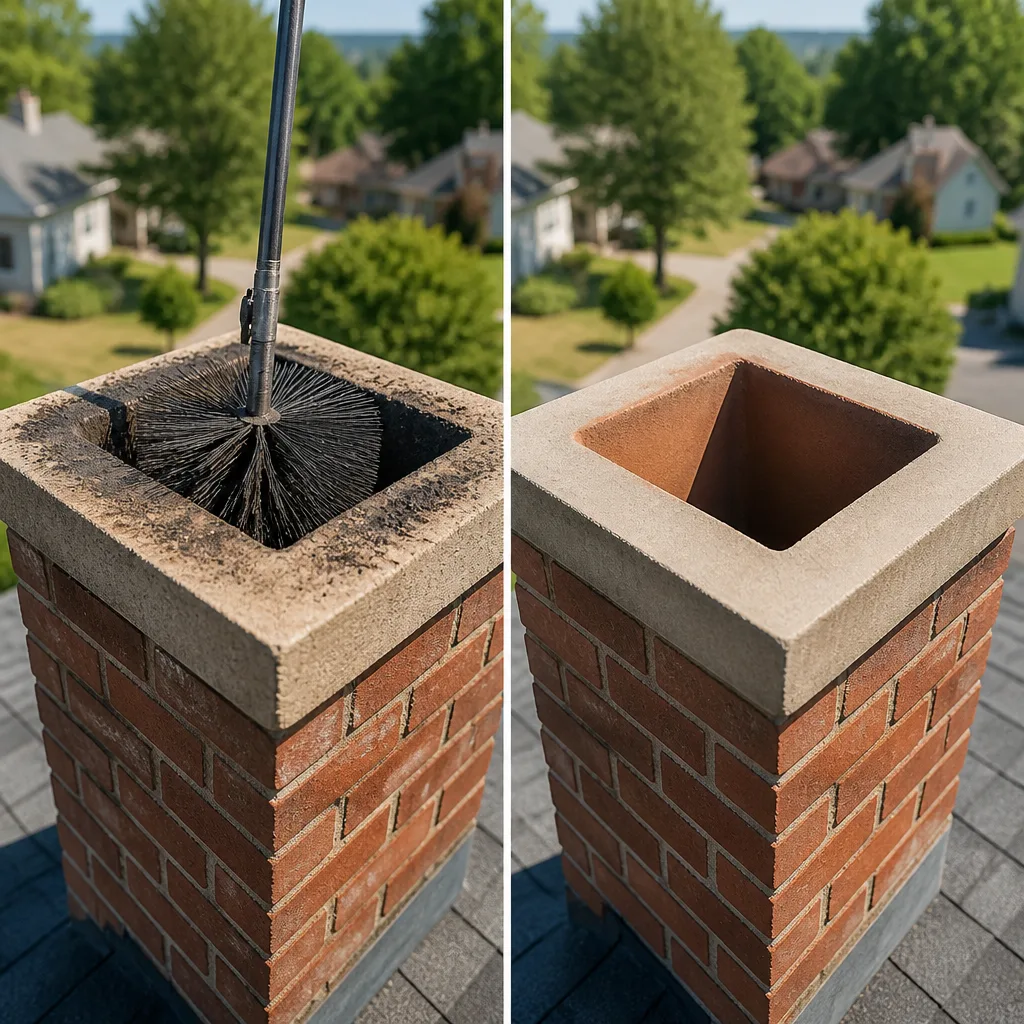 Sweep & inspection
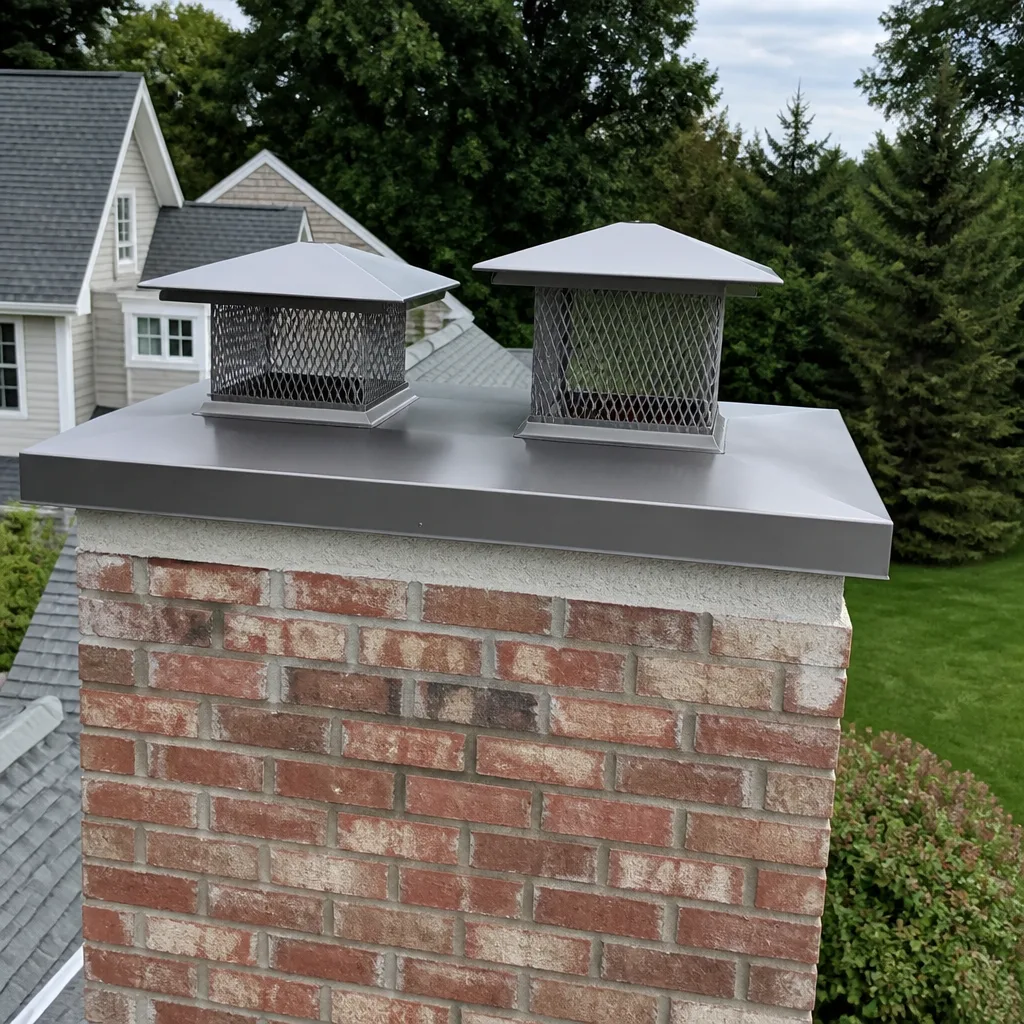 Caps & crowns
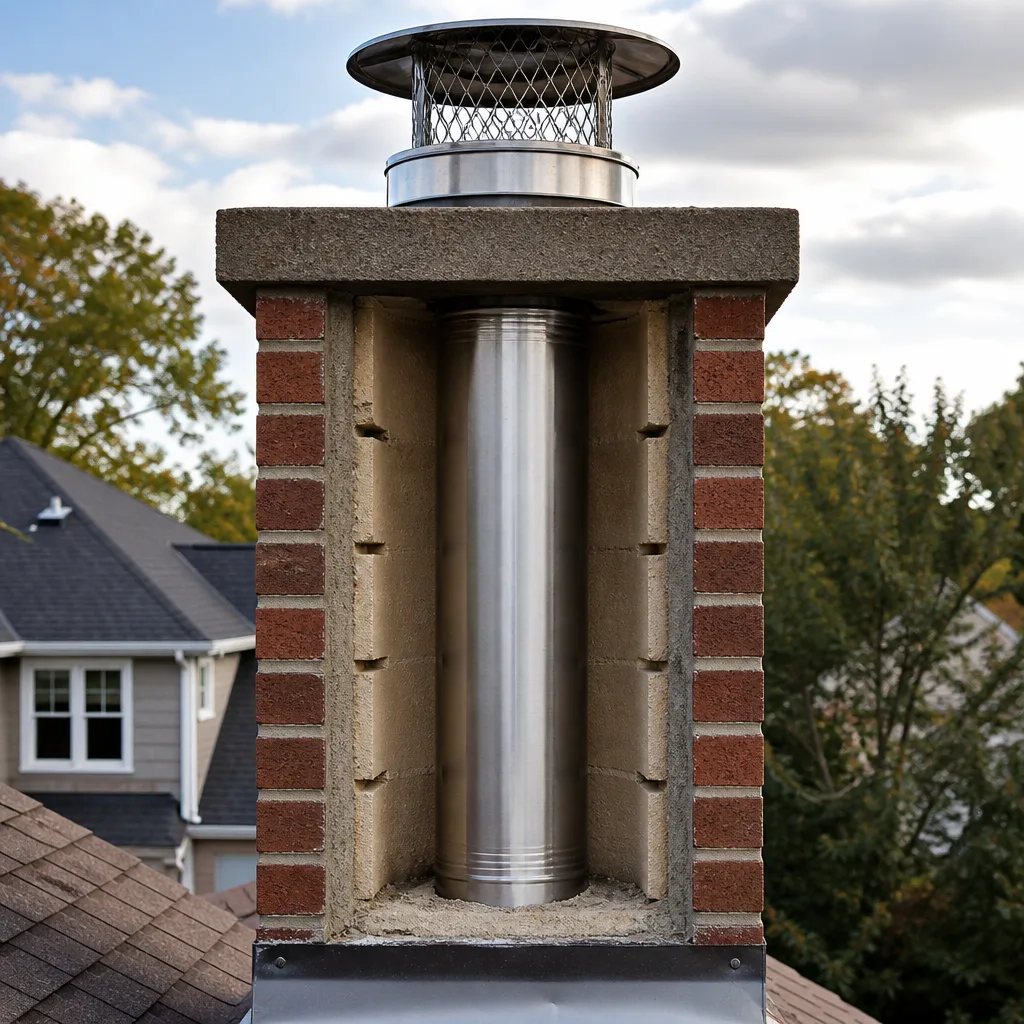 Flue relining
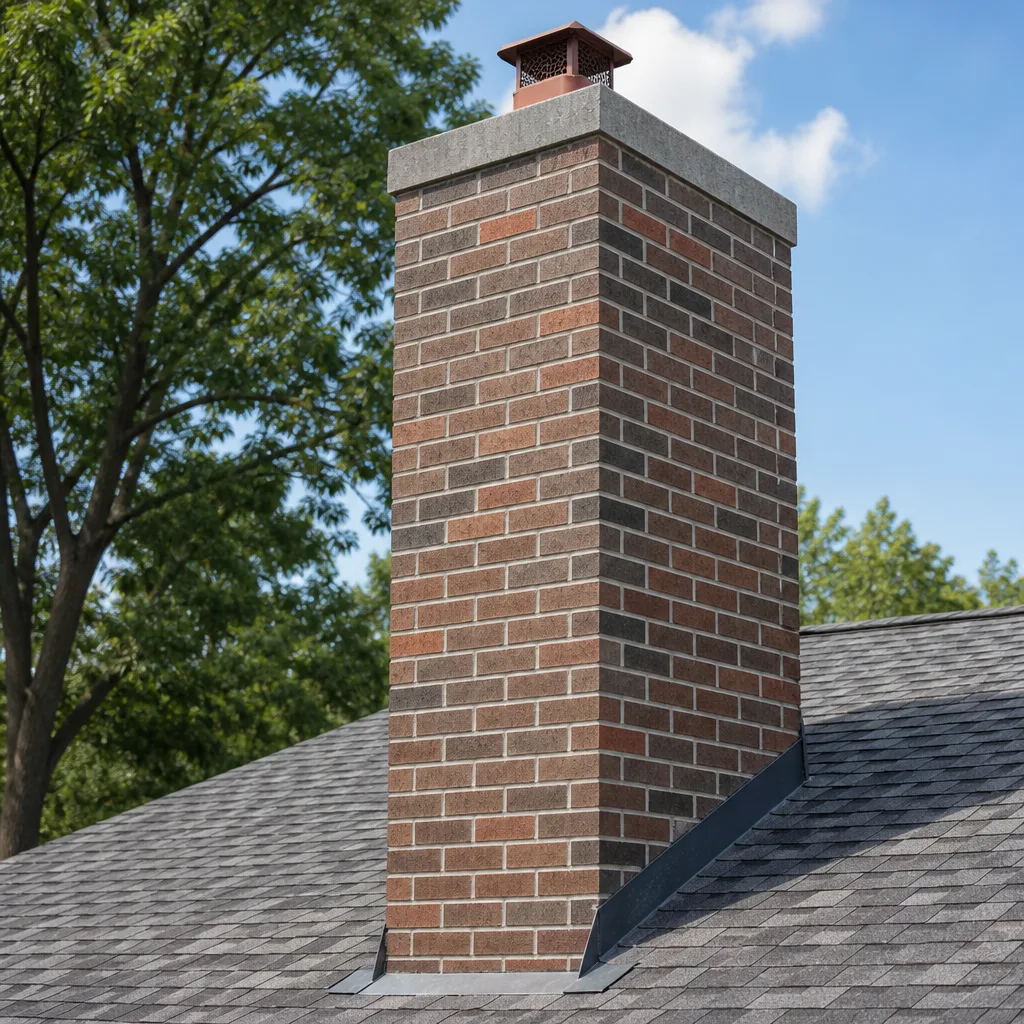 Masonry repair
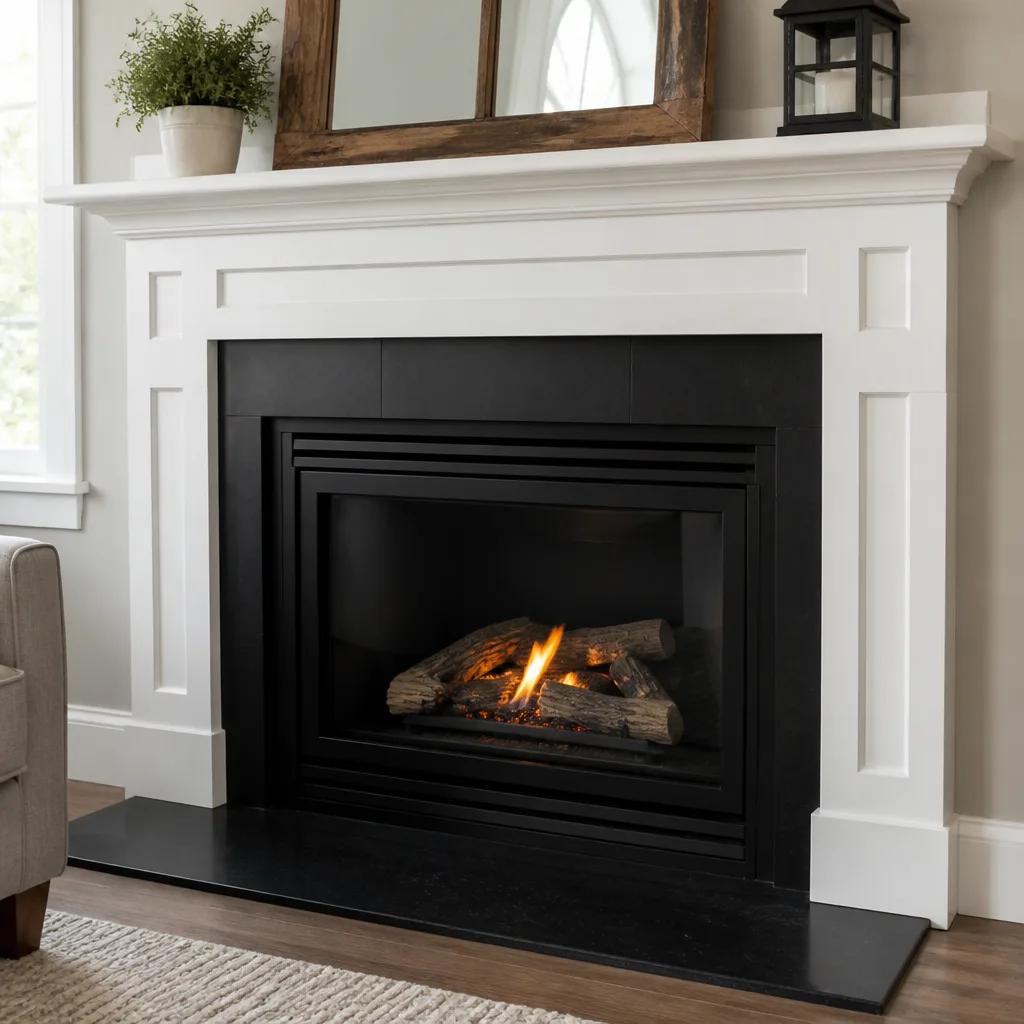 Gas fireplace service
Level 1 sweep and inspection to the NFPA 211 annual standard - flue, crown, cap, and flashing checked and photographed
Chimney sweep logs do not sweep chimneys. They loosen some creosote - which then falls where a brush and vacuum still have to collect it.
Chimney Sweep Maintenance Schedule: What to Do and When
Gas fireplace owners in Fremont skip inspections because they assume no wood means no creosote, and therefore nothing to worry about. That assumption is exactly how a clay flue liner quietly corrodes for eight or nine years before anyone notices. This guide replaces the generic “sweep once a year” advice with a real maintenance framework built around what you burn, how often you burn it, and where you live. You’ll learn what your actual schedule should look like, what a technician is checking at each visit, and when a one-off inspection makes more sense than waiting for the next routine sweep.
Styles & brands we work with
- Sweep & inspection
- Caps & crowns
- Flue relining
- Masonry repair
- Gas fireplace service
Quick Answer
Most Fremont homes with a wood-burning fireplace need a professional chimney sweep every 30 to 50 fires, or once a year on average. Gas fireplace systems can typically go 3 to 5 years between inspections, but they need the inspection just as seriously because gas combustion produces acidic byproducts that corrode liners and mortar. Dryer vents follow their own clock: clean them every 12 months regardless of how often you use the dryer, plus whenever drying time starts creeping upward.
Table of Contents
- Wood-Burning Fireplace Maintenance Schedule
- Gas Fireplace and Insert Maintenance Schedule
- Dual-Fuel and Mixed-Use Systems
- Why Fremont’s Fire Season Changes Your Timing
- The Parallel Track: Dryer Vent Cleaning Schedule
- What to Log Between Professional Visits
- Lifecycle Checkpoints: When to Schedule Outside the Routine
- Common Mistakes to Avoid
- When to Call a Professional
- Frequently Asked Questions
- The Bottom Line
Wood-Burning Fireplace Maintenance Schedule
A wood-burning fireplace in Fremont needs a sweep based on use volume, not just the calendar. Here’s the schedule we recommend, and it holds up whether you burn oak from a local supplier or manufactured logs from a big-box store.
The 30 to 50 Fire Rule. The National Fire Protection Association recommends a sweep whenever creosote buildup reaches 1/8 inch, but nobody measures that at home. A more practical proxy is fire count. After roughly 30 to 50 fires, creosote has typically built up enough that a sweep is worth scheduling. For a household that burns two or three fires a week during the cooler months, that translates to an annual sweep. For a household that burns every weekend year-round, it might mean two sweeps a year. For a family that uses the fireplace once at Thanksgiving and once at Christmas, it might mean a sweep every three years. The fire count matters more than the calendar.
What the technician is actually checking at a wood sweep:
- Creosote thickness and stage (first, second, or third degree)
- Flue liner condition, including hairline cracks that let heat reach combustible framing
- Damper operation and seal
- Chimney cap and spark arrestor integrity
- Mortar joints in the smoke chamber
- Firebox refractory panels for gaps or deterioration
Fremont’s mild winters rarely produce the extreme temperature differentials that stress masonry in colder climates. What they do produce is a longer burning season that starts hesitantly in October and drags through March, with homeowners often burning sporadically during the shoulder months. That intermittent pattern is actually worse for creosote accumulation than steady burning, because every cold start produces more condensation and soot than a hot, established fire. If you are an occasional burner, do not assume you are off the hook. You might need the sweep sooner than someone who burns hot fires every weekend.
Gas Fireplace and Insert Maintenance Schedule
Gas combustion does not produce creosote, but it absolutely produces problems. Natural gas combustion generates water vapor, nitrogen oxides, and trace sulfur compounds. Over time, those byproducts create a mildly acidic environment inside the flue, and that environment eats away at clay tile liners and mortar joints. In our experience with Fremont homes, gas appliances get neglected far more often than wood-burning ones, and the neglect is invisible until a liner inspection reveals significant deterioration.
The schedule for gas systems:
- Annual visual check (homeowner): Once at the start of heating season, look at the glass on your gas insert. Cloudy glass that stays cloudy after cleaning can indicate incomplete combustion or venting problems. Check that the pilot flame is blue, not yellow. Yellow indicates sooting and needs a technician’s attention.
- Professional inspection every 3 to 5 years: This includes verifying the venting system is drafting correctly, checking the log set for proper placement, inspecting the thermocouple and thermopile, and running a camera up the flue. The camera inspection is non-negotiable. A gas flue can look perfect from the top and have significant spalling inside.
- Immediate check if: You smell gas, see soot on the glass or walls, notice the flame burning differently than usual, or a carbon monoxide alarm activates anywhere in the home. These are not wait-and-see situations.
One detail many Fremont homeowners learn the hard way: gas fireplaces with a pilot light that runs year-round are burning fuel 8760 hours a year, even when the fireplace appears off. That constant low-level combustion still puts byproducts into the flue. It’s not creosote, but it’s not clean either.
Dual-Fuel and Mixed-Use Systems
Some homes have a masonry wood fireplace with a gas log set installed inside, or a wood-burning fireplace that was converted to gas and later converted back. Others have a wood stove on one floor and a gas insert on another. These mixed systems need a blended schedule.
For a dual-fuel setup where gas logs sit inside a masonry firebox originally built for wood, we recommend a full sweep and inspection every two years. The gas logs do not produce creosote, but the original clay liner is aging, and any residual creosote from the wood-burning era can interact with the gas byproducts in ways that accelerate liner degradation. The combination is not synergistic, it’s compounding.
If the gas log set was professionally installed with a properly sized liner, the schedule relaxes to every 3 to 4 years. If you bought a set of vented gas logs and installed them yourself without checking the liner, we recommend a camera inspection sooner rather than later. A liner that was marginal for wood is often oversized or undersized for gas, and that mismatch creates drafting issues that push combustion byproducts into the home instead of up the flue.
Mixed-use household schedule:
- Inspect and sweep the wood-burning appliance based on fire count (30 to 50 fires)
- Inspect the gas appliance on a 3 to 5 year cycle
- Stagger the two so you’re having some kind of professional look at the overall system every 18 to 24 months
- Clean the dryer vent annually, which often aligns with one of the chimney visits
Why Fremont’s Fire Season Changes Your Timing
Fremont does not have the harsh winter that drives chimney sweeps in the Northeast, and that changes when local homeowners should schedule service. The conventional advice, “sweep before burning season,” lands differently here. Burning season in Fremont is long and informal: a few October evenings, nothing in November, a rainy January that gets the fireplace going every night, then a cold snap in March. The start is soft, and that softness lets people defer the sweep until it’s December and they’re already burning.
The better window is late summer, specifically August through early October. Here’s the logic:
- Dry weather: Fremont’s rainy season typically begins in earnest by late October. A sweep requires opening the roof access, cleaning the cap and crown area, and sometimes doing minor masonry patching. That work gets harder and less effective in wet conditions.
- Before the first fire, not after: The first fire of the season is when trapped creosote, bird nests, and other obstructions do the most damage. If a cracked liner has been quietly degrading since March, you want to find that before you light the season’s first fire in October.
- Matching technician availability: Every homeowner in Fremont calls for a sweep in November and December. Scheduling late summer means you get a wider choice of appointment times, and a technician who can spend the full time needed instead of racing to the next call.
- Dryer vent alignment: If you schedule the chimney sweep in late summer and the dryer vent cleaning at the same time, both systems are ready before the holiday season adds extra loads and extra fires.
Fremont homeowners who run gas fireplaces exclusively can think in calendar years rather than seasons. The cleanest habit is to pick a month, any month, and anchor the gas inspection to it the way you anchor smoke detector battery changes to a specific date. Consistency beats precision here. A gas inspection scheduled the same week every three years beats a perfectly timed one that gets postponed indefinitely.
The Parallel Track: Dryer Vent Cleaning Schedule
Most chimney sweeping guides completely ignore dryer vents, but we include them because lint is a fire load that follows a different schedule and lives in the same conversation about home ventilation safety. A clogged dryer vent is not an annual-chimney-sweep problem. It builds faster than creosote in many homes and catches fire more readily than most homeowners realize.
The rule of thumb is simple: every 12 months, regardless of use. A household of four doing six loads a week produces roughly a pound of lint per month, and the dryer’s own lint trap only catches about 60 to 70 percent of it. The rest goes through the duct and accumulates at elbows, at the exterior damper, and anywhere the duct sags. If the dryer vent run from the back of the dryer to the exterior wall is longer than 10 feet, that annual cleaning is non-negotiable. In Fremont homes built during the 1960s and 1970s expansion, it’s common to find dryer vents that run 15 to 25 feet, often with multiple bends. Those are exactly the homes that need the annual cleaning most.
Signs that you need it sooner than the 12-month mark:
- A load of towels now takes two cycles to dry instead of one
- The dryer itself is hot to the touch on the exterior
- There’s a musty or burning smell when the dryer runs
- The exterior vent flap does not open fully or at all during a cycle
- Lint is visible at the exterior vent opening
Bundling dryer vent cleaning with the chimney sweep makes practical sense because the same visit covers both ends of the home’s ventilation system. It’s not an upsell when both systems carry fire risk and both are overdue.
What to Log Between Professional Visits
The most useful thing a Fremont homeowner can do for the longevity of their chimney system costs nothing and takes about 90 seconds per fire. Keep a simple log. The data you record between sweeps changes how fast and how accurately a technician can diagnose your system, and it turns a routine sweep into a targeted maintenance visit.
Here’s what to log after each fire or at the end of each week of burning:
- Fuel type and species: Oak burns differently than pine, and manufactured logs burn differently than cordwood. If you buy from different suppliers through the year, note the supplier or the wood species. This is one of the strongest predictors of creosote accumulation rates.
- Number of fires or hours of use: You don’t need precision, just a ballpark. Forty-five minutes in front of the fire and four hours both count as “one fire” in most schedules, so try to estimate hours if you can. A wood stove that runs eight hours a day on weekends is a different animal than a fireplace lit for ambience after dinner.
- Odor changes: This is the data point technicians can act on fastest. A smoky smell inside the house when the fireplace is running, a damp or musty smell when it’s not, or a chemical odor near the gas insert are all signals. Write down when you noticed it and whether it’s consistent or intermittent.
- Drafting observations: Does smoke spill into the room when you open the glass doors? Does the fireplace roar when the wind blows from the east? Does it light easily but then struggle after 20 minutes? These are the details that turn a 45-minute sweep into a 20-minute diagnosis.
- Visible changes: Any efflorescence (white powdery deposits) on the chimney exterior, rust on the gas insert trim, or soot staining above the firebox opening. Photograph it if you can. Your phone camera is the best documentation tool you own.
Bring this log to the next sweep, even if it’s sparse. A technician who knows you burned pine for three months straight in January will inspect the flue differently than one working from a blank slate. The log turns a generic maintenance visit into a data-driven one, and that’s what gets you a correct recommendation instead of a blanket one.
Lifecycle Checkpoints: When to Schedule Outside the Routine
The regular schedule handles routine maintenance. But there are moments in a home’s life when a one-time inspection outside the normal rhythm is the right move, even if the last sweep was six months ago.
Buying or Selling a Home in Fremont
A standard home inspection covers the chimney only superficially. Most general home inspectors look at the firebox, shine a flashlight up the flue, and note whether the damper opens and closes. They do not run a camera up the liner, they do not assess creosote thickness, and they do not check the smoke chamber mortar. If you are buying a Fremont home with a fireplace, schedule a Level 2 camera inspection before closing. The cost is small compared to discovering after move-in that the clay liner is spalled in three places and the previous owner’s “working fireplace” needs a full relining. If you are selling, the same inspection protects you from a deal falling apart over a defect you didn’t know about.
After an Earthquake
Fremont sits in a seismically active zone. The Hayward Fault runs through the eastern side of the city, and any earthquake strong enough to visibly sway ceiling fixtures or crack drywall is strong enough to shift a masonry chimney or dislodge flue tiles. Even seismic activity you barely feel can open hairline cracks in mortar joints that were already aging. After any earthquake that rattles your house, we recommend a visual inspection at minimum, and a camera inspection if the chimney is older than 20 years. The repair window after an earthquake is short and inexpensive compared to what happens if you wait and discover the damage during a fire.
After a Chimney Fire
If you have had a chimney fire, even a small one, do not use the fireplace again until a professional has assessed the system. Chimney fires can reach temperatures that crack clay liners, warp metal liners, and compromise the structural integrity of the chimney itself. The external signs are not always obvious. A chimney that experienced a fire and was not inspected is a chimney that will eventually fail, often during the next burn.
After Significant Home Renovations
If you have converted your fireplace from wood to gas, added a second fireplace, replaced your roof, or done any construction that involved the chimney structure, schedule a swept inspection as part of the project closeout. Construction debris, dust, and even small pieces of roofing material end up in flues with surprising regularity.
Common Mistakes to Avoid
- Assuming gas means no maintenance. Gas fireplaces don’t produce creosote, but they do produce acidic condensate that eats clay liners. The maintenance schedule is longer, not nonexistent.
- Waiting until the first cold snap to schedule a sweep. In Fremont, the November rush means longer waits, and the first fire of the season in a dirty chimney carries the highest risk. Late summer is the strategic window.
- Using store-bought creosote-removing logs as a substitute for a professional sweep. Those products can change creosote chemistry, but they don’t remove the third-degree tar that actually causes chimney fires. If a sweep is suggested, the log is not the shortcut it appears to be.
- Ignoring the dryer vent because the clothes still dry. The clothes will keep drying until the day they don’t, and by then the lint load inside the duct is substantial. The drying time creep is the early warning sign most homeowners miss.
- Burning green or unseasoned wood because it was the cheapest option. Green wood produces more creosote per fire than seasoned wood, full stop. The money saved on the wood gets spent on more frequent sweeping, and possibly on repairing the liner.
- Treating a sweep as the whole maintenance plan. A sweep removes creosote. It does not repair a cracked liner, rebuild a smoke chamber, or replace a damaged cap. Those are repair items with their own schedule and their own urgency.
- Letting the “inspection only” report be the end of the story. Some companies sweep and walk. We repair what others only report. If an inspection flags a liner issue, ask for the repair options, not just the report.
When to Call a Professional
Call a professional if you notice any of these: smoke entering the room when the fireplace is running, a strong odor from the fireplace even when it’s not lit, visible soot staining above the firebox, flaking or crumbling brick on the chimney exterior, animals or debris visible at the top, or any activation of a carbon monoxide alarm. The same applies for a dryer that suddenly takes two cycles to dry a normal load, or an exterior vent flap that stays closed during operation. These are not maintenance items to schedule at your convenience. Chimney Cleaning Fremont offers free estimates in Fremont, and we bring our own camera equipment to every inspection so you see what we see before any repair is discussed. Call (844) 980-4364. We answer 24/7. Fast dispatch from 7am to 7pm, Sunday through Friday.
Frequently Asked Questions
A wood-burning chimney in Fremont should be swept every 30 to 50 fires, which works out to once a year for the average household that burns through the cooler months. Gas fireplaces should be inspected every 3 to 5 years. If you are unsure where you fall, start with a camera inspection and let the evidence set the schedule. Call (844) 980-4364 for a free estimate.
Yes, gas fireplaces need maintenance because gas combustion produces acidic byproducts that corrode clay flue liners and mortar joints over time. The inspection interval is longer than for wood, but skipping it entirely is exactly how a gas fireplace becomes a liner replacement job. Call (844) 980-4364 to schedule an inspection.
Late summer, specifically August through early October, is the best window in Fremont. The weather is still dry for roof access, you get ahead of the November rush, and you find any liner or masonry issues before the first fire of the season, not after.
A dryer vent should be cleaned every 12 months regardless of use volume, and sooner if drying times increase or the exterior vent flap stops opening fully. Long vent runs, which are common in older Fremont homes, make the annual cleaning more important, not less.
Skipping maintenance allows creosote to accumulate to a thickness where a hot fire can ignite it, and it lets liner deterioration progress silently. The result, if you’re lucky, is a repair that costs more than the sum of the missed sweeps. If you’re not lucky, it’s a chimney fire. Call (844) 980-4364 to get current before the next fire.
Not necessarily. Hairline cracking in the early stages can sometimes be addressed with resurfacing systems like HeatShield, which restores the interior surface without full demolition. More extensive deterioration may require a DuraFlex flexible liner. The only way to know is a camera inspection that shows the actual condition. We never recommend a repair without camera evidence you can see for yourself.
The Bottom Line
Your maintenance schedule is not one calendar reminder that says “sweep chimney.” It’s a set of intervals that differ by fuel type, fire count, and system age, anchored to Fremont’s dry-season advantage in late summer, and it runs parallel to an annual dryer vent cleaning cycle. Wood burners should sweep by fire count, gas owners should inspect every 3 to 5 years, and everyone should log what they burn and what they notice between visits. The common thread is evidence. Camera inspections turn guesswork into a maintenance schedule that fits your actual system, and repairs come with proof, not pressure. Built to last, not patched to pass.
Written by the team at Chimney Cleaning Fremont, serving Fremont since 2011.
See the difference
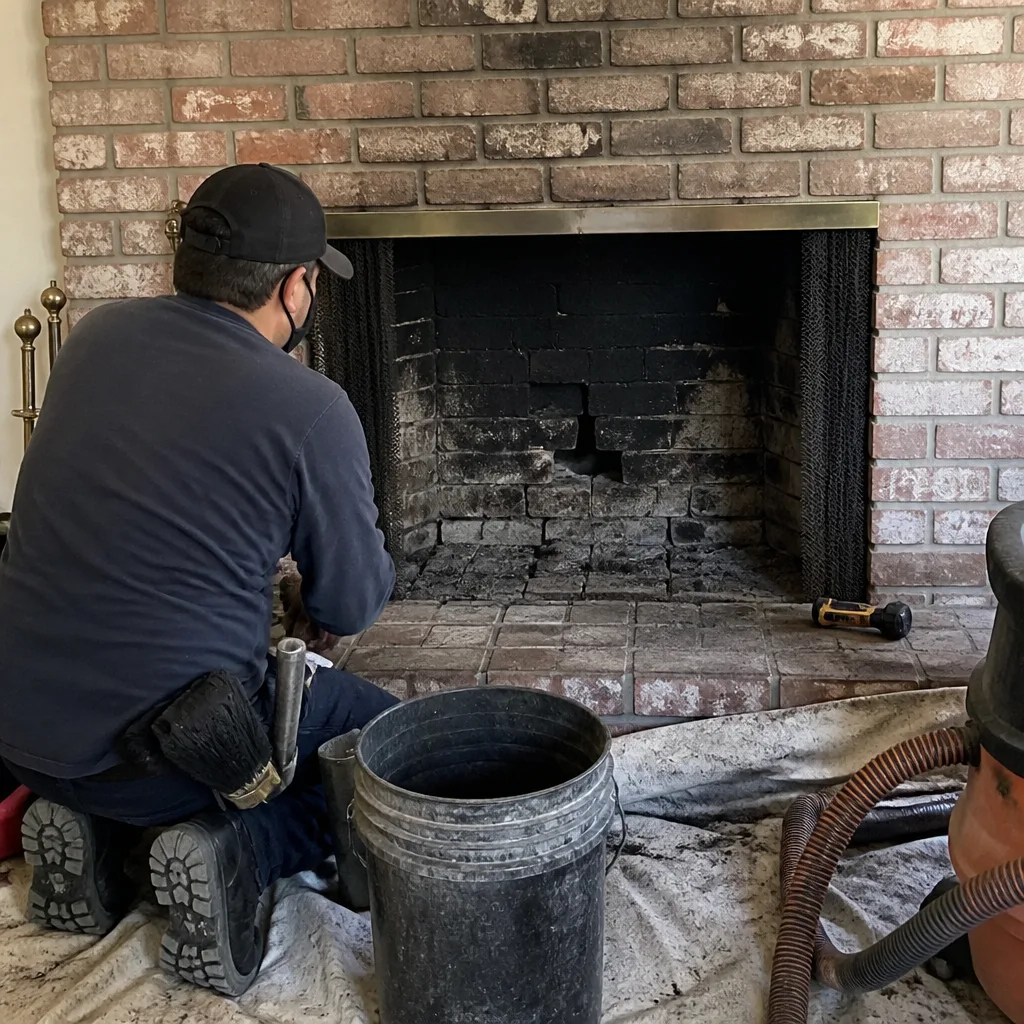 Before
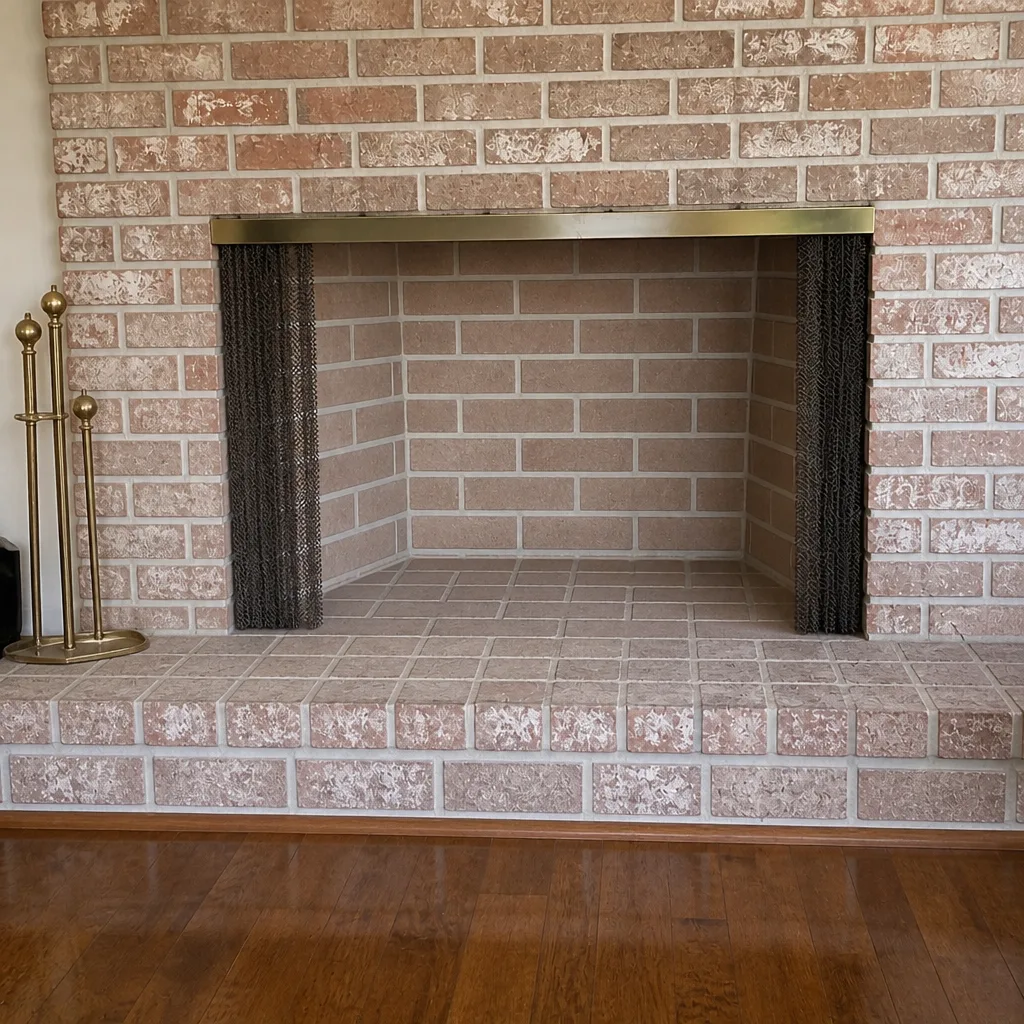 After
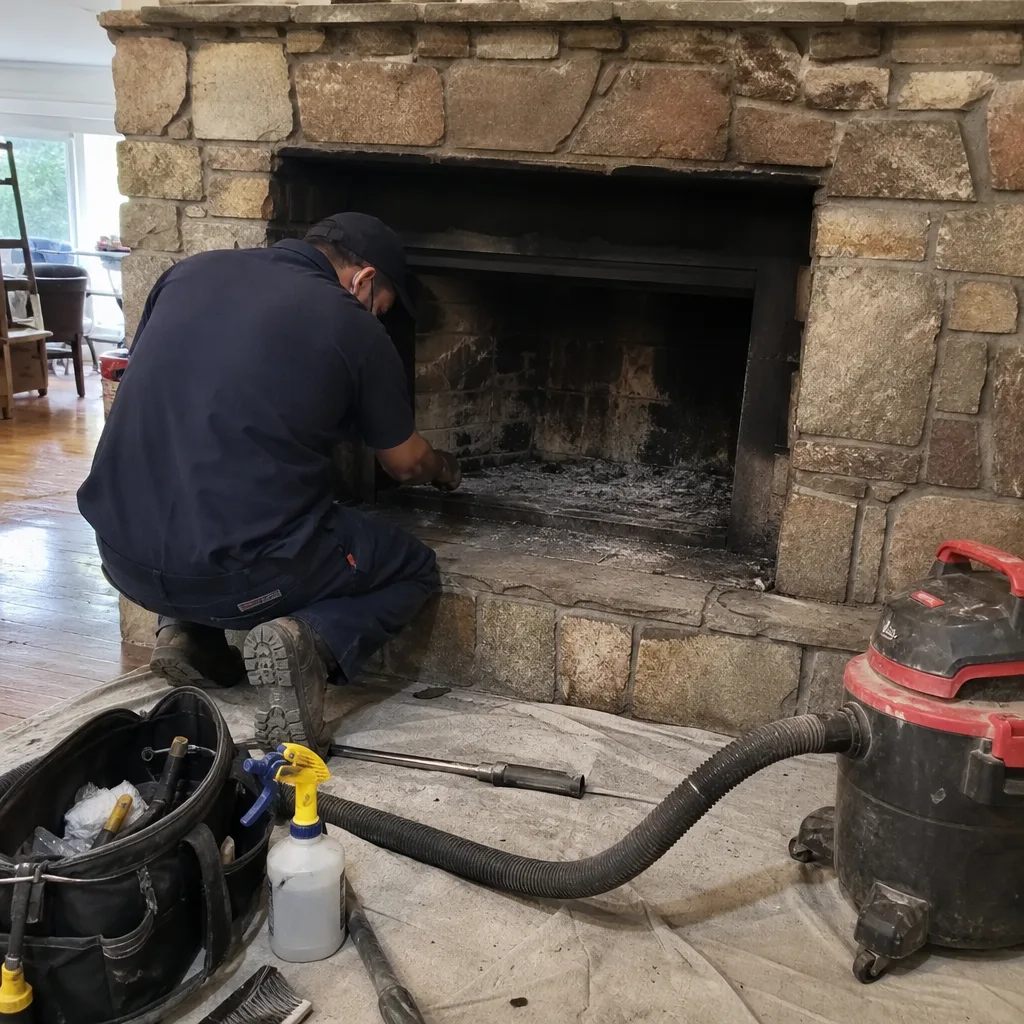 Before
 After
 Before
 After