
Last updated November 4, 2026
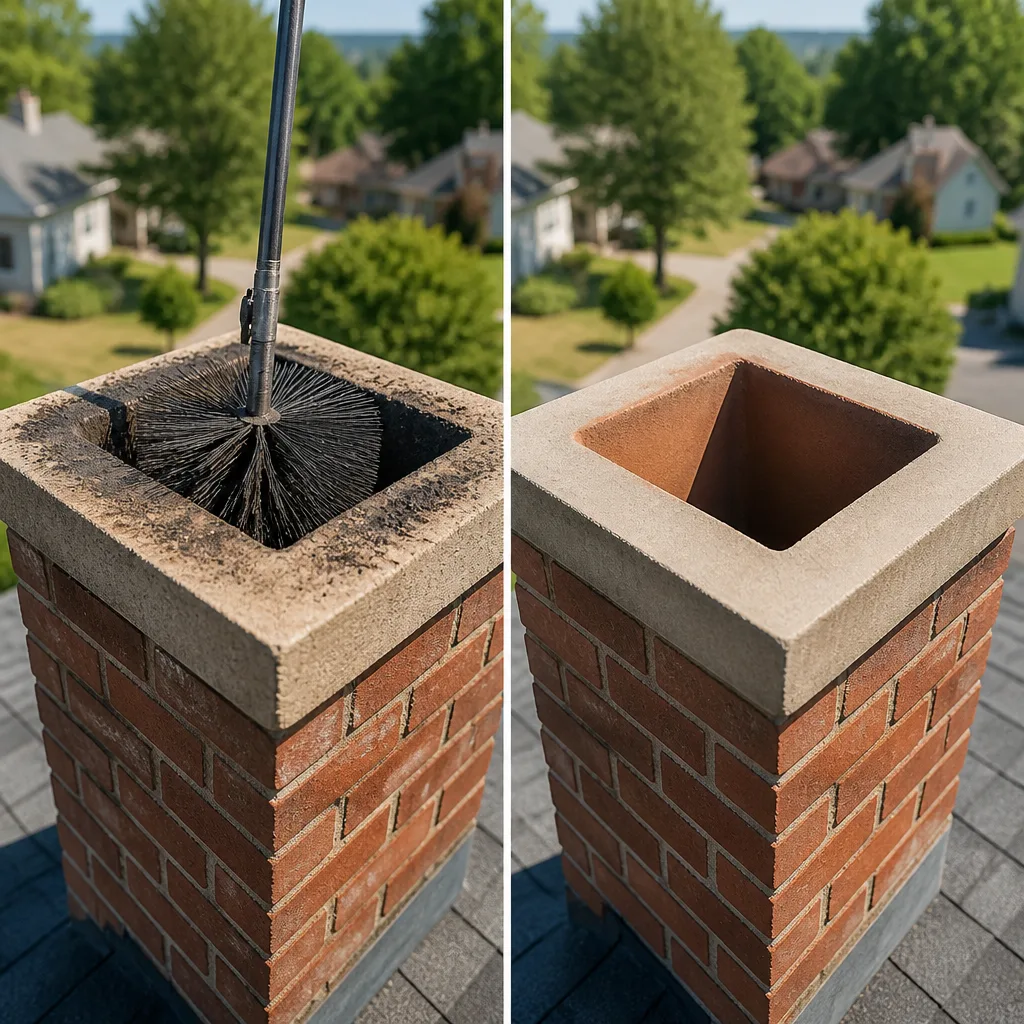 Sweep & inspection
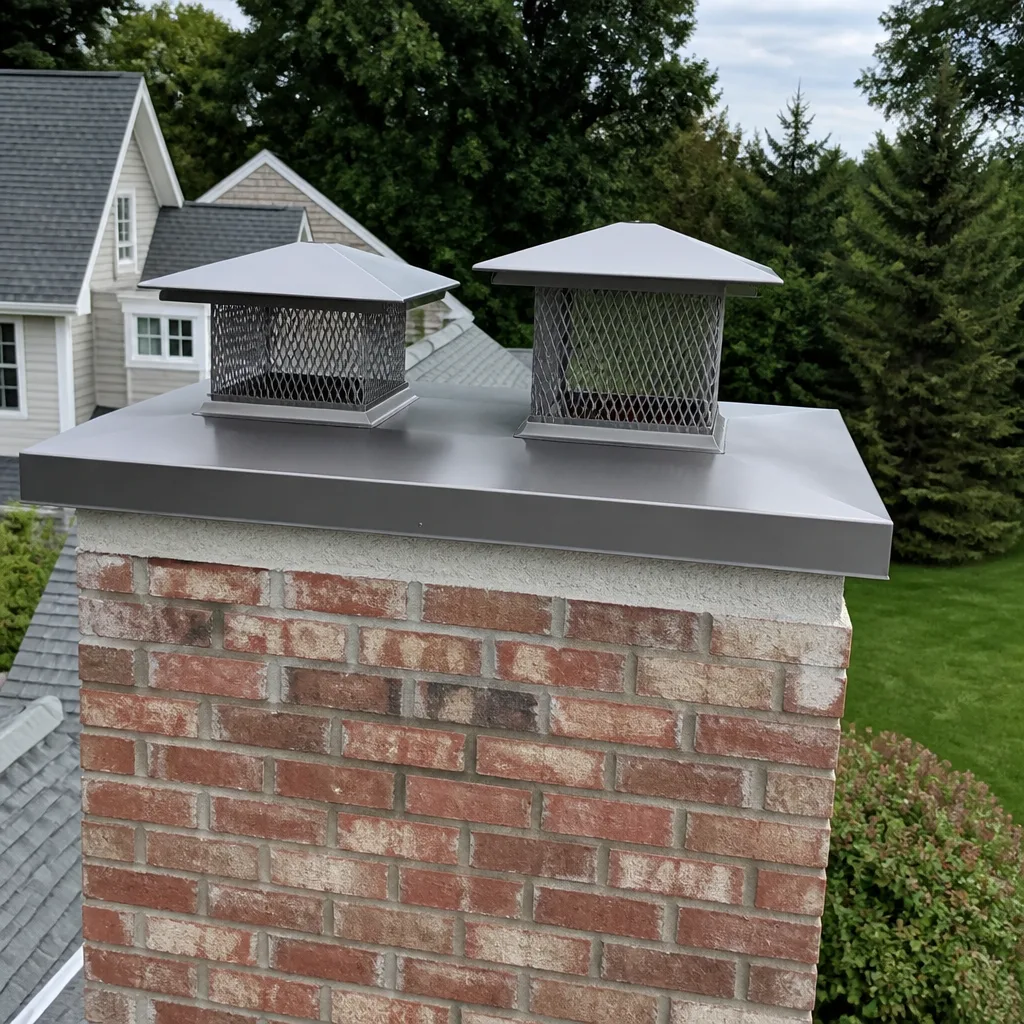 Caps & crowns
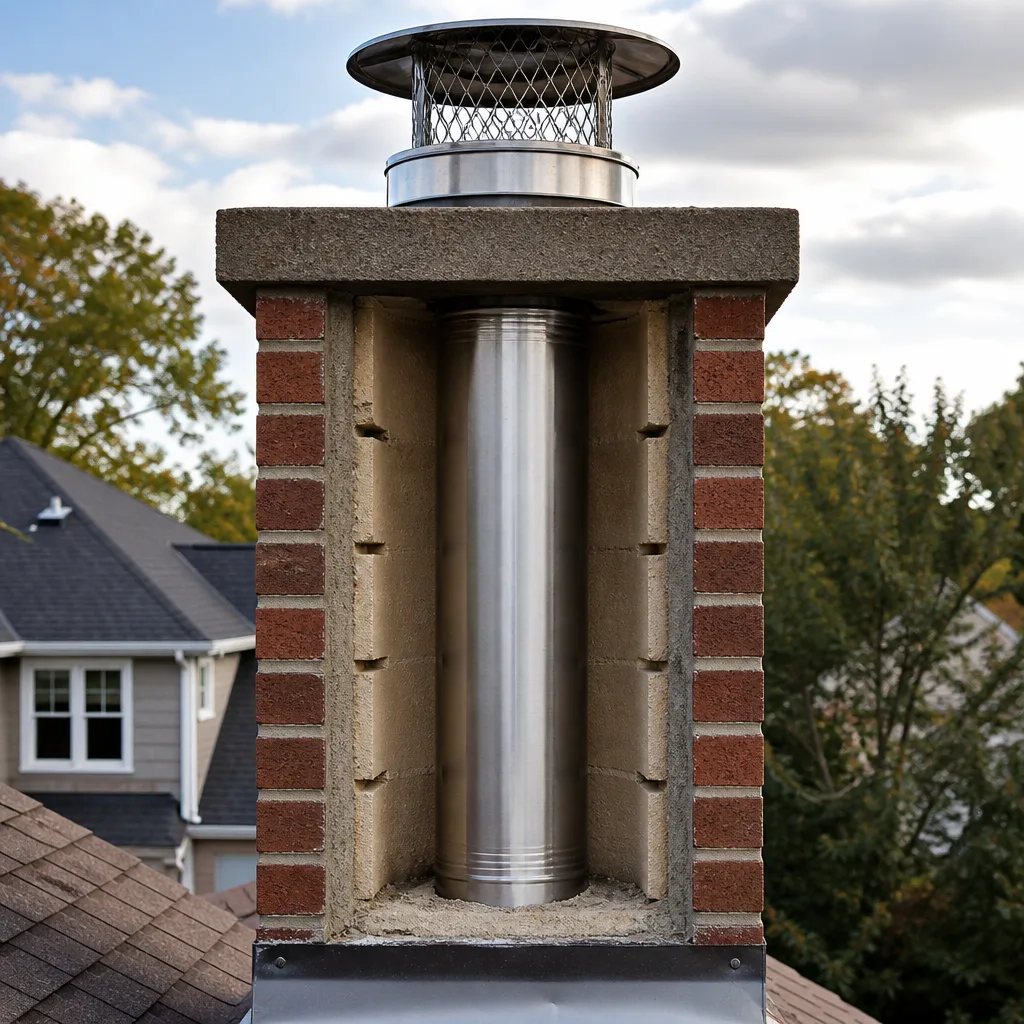 Flue relining
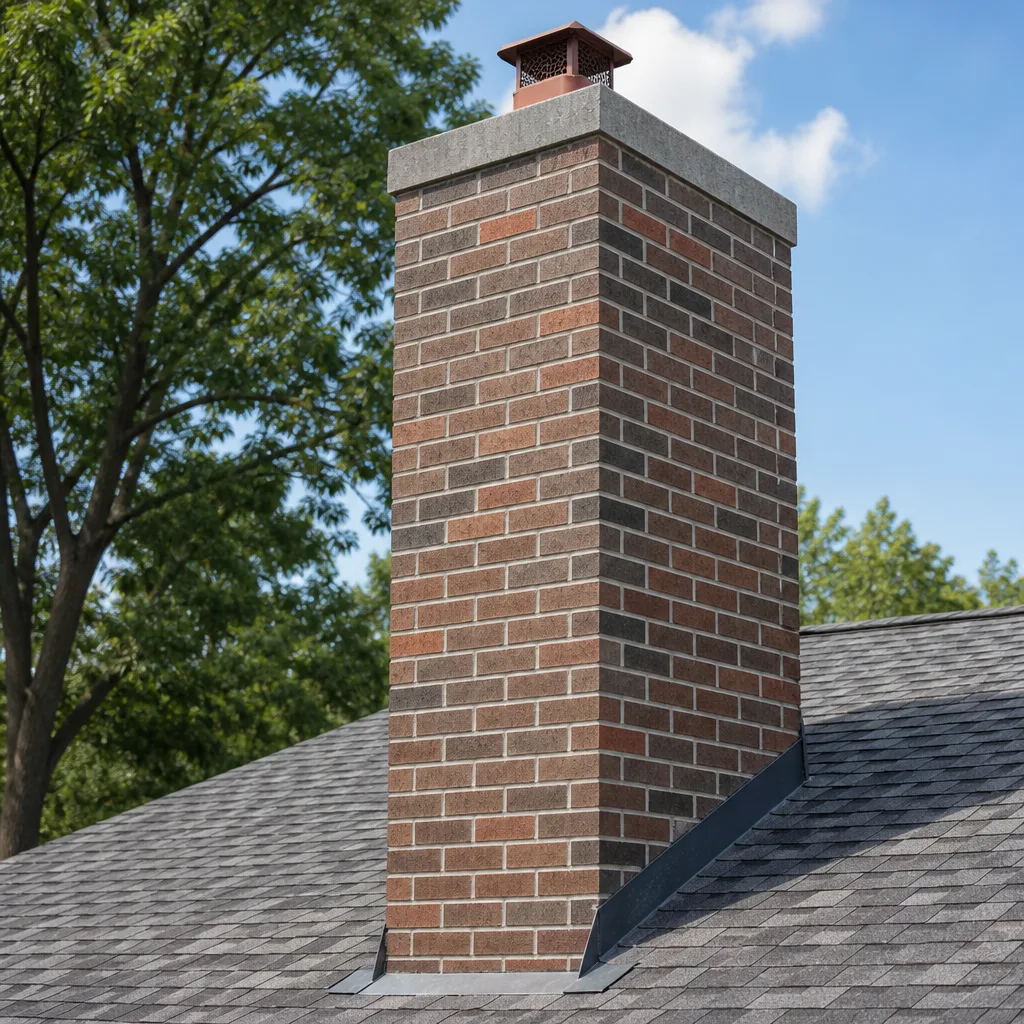 Masonry repair
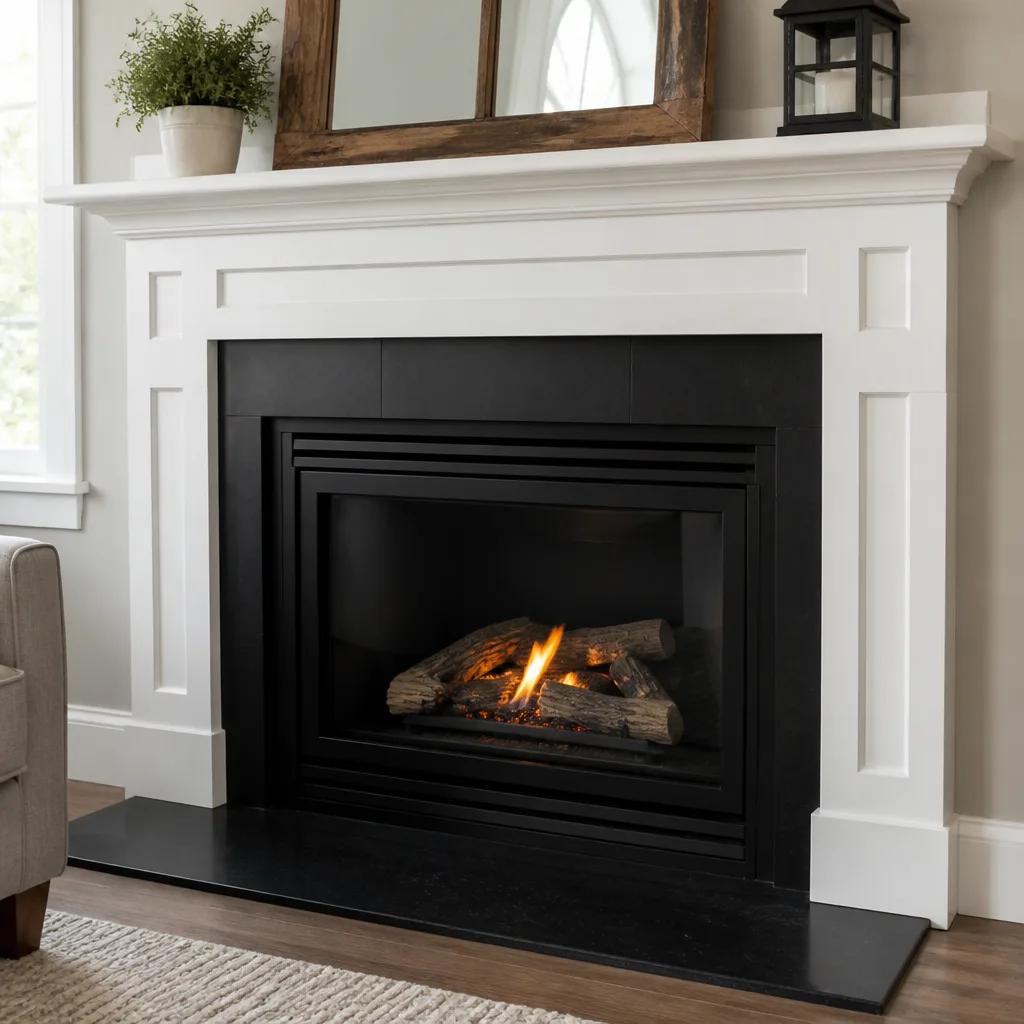 Gas fireplace service
Level 1 sweep and inspection to the NFPA 211 annual standard - flue, crown, cap, and flashing checked and photographed
Chimney sweep logs do not sweep chimneys. They loosen some creosote - which then falls where a brush and vacuum still have to collect it.
The Complete Guide to Chimney Cleaning in Fremont
Most Fremont homeowners light their fireplace fewer than ten times a year, and that low usage is exactly why their chimneys are more likely to have blockages, not less. A cold, rarely-used flue becomes an invitation for squirrels and raccoons, a collector of moisture that corrodes liners, and a place where creosote hardens into a stubborn glaze rather than burning off. This guide explains what actually happens inside a Fremont chimney between those occasional fires, what a proper cleaning involves, what it costs, and when low usage means you need service sooner rather than later.
Quick Answer
Chimney cleaning in Fremont typically costs between $180 and $340 for a standard sweep with a Level 1 inspection, and most homes need it every one to two years even with light fireplace use. A professional sweep removes creosote, clears animal nests and debris, and checks the flue liner for damage that could let heat or carbon monoxide escape. Because Fremont’s mild climate encourages infrequent burning, moisture and wildlife intrusion become bigger risks than heavy creosote buildup, which is why an annual inspection matters here as much as anywhere.
Styles & brands we work with
- Sweep & inspection
- Caps & crowns
- Flue relining
- Masonry repair
- Gas fireplace service
Table of Contents
- How Often Should You Clean a Chimney in Fremont?
- What Actually Happens During a Chimney Cleaning
- Why Low-Use Chimneys Still Build Dangerous Creosote
- Fremont Wildlife and Your Chimney: Squirrels, Raccoons, and Birds
- Understanding NFPA 211 Inspection Levels: Which One You Need
- Rotary Cleaning Systems vs. Hardware-Store Brush Kits
- How Much Does Chimney Cleaning Cost in Fremont?
- Bay Area Air Quality Rules and Your Fireplace
How Often Should You Clean a Chimney in Fremont?
The National Fire Protection Association recommends a chimney inspection at least once a year and cleaning whenever soot or creosote reaches 1/8 inch in thickness. For Fremont homeowners who burn wood only on chilly winter evenings, that usually translates to a sweep every one to two years. Gas fireplace owners can often go two to three years, but the venting system still needs an annual visual check for blockages and corrosion.
What throws people off is assuming that low usage means low maintenance. The opposite is often true here. A chimney that sits cold for months at a time collects moisture from Bay Area humidity, and that moisture interacts with old creosote to form acids that eat at masonry and metal liners. We have opened flues in Fremont homes that had not been used in two years and found enough nesting material to fully block the passage. The fireplace was never lit, so the owner had no reason to suspect a problem.
A practical rule for Fremont: if you cannot remember the last time someone looked inside your chimney, schedule an inspection now. If you burn wood more than once a week during winter, plan on a cleaning every year. If you burn only occasionally but hear scratching sounds or notice a musty smell near the fireplace, do not wait for a calendar date. Something is already in there.
What Actually Happens During a Chimney Cleaning
A professional chimney sweep is more than a guy with a brush. It is a structured process that takes 45 to 90 minutes for a typical Fremont home and leaves you with documentation of what was found. Here is the sequence we follow.
- Setup and protection. Drop cloths go down around the hearth, and the technician lays out vacuum equipment with HEPA filtration to keep soot from entering your living space. The damper is closed off so debris cannot fall into the room.
- Visual assessment. Before any brushing begins, the technician looks up the flue with a light and notes the type and location of deposits, any visible damage, and whether the damper operates correctly.
- Mechanical sweeping. A rotary cleaning head sized to your flue spins from the top down or bottom up, scrubbing creosote and soot from the walls. For heavy Stage 2 buildup, polypropylene or steel cable heads do the work that a flat wire brush cannot.
- Debris removal. Everything that falls to the smoke shelf and firebox gets vacuumed out. This includes creosote flakes, leaves, and sometimes surprising amounts of nesting material.
- Level 1 inspection. The technician verifies the flue is clear, the liner is intact, the chimney cap is present, and there are no obvious blockages. You get a report of what was found and what, if anything, needs attention.
A proper sweep ends with a clear flue and a written record. If the technician recommends additional work, you should be shown evidence: photos from a camera inspection, not just a verbal warning.
Why Low-Use Chimneys Still Build Dangerous Creosote
Creosote forms every time wood burns, no exceptions. It is the condensed residue of smoke, water vapor, and unburned wood particles that cools and sticks to the flue wall. The rate of buildup depends on burn temperature, wood moisture, and airflow, not just how often you light a fire.
In Fremont, the pattern we see is this: homeowners burn seasoned oak or almond on a handful of nights between November and February. Each fire starts cold, which means the first 20 to 30 minutes produce heavy smoke at a relatively low temperature. That smoke deposits Stage 1 creosote, a fine sooty powder. Because the next fire might be two weeks away, that deposit sits in a cool, damp flue. Moisture from Bay Area air works its way into the powder, and when the next fire comes, the heat bakes the wetted creosote into a harder form: Stage 2, a shiny black glaze. Stage 2 does not brush off easily. It requires aggressive rotary cleaning or, in some cases, chemical treatment.
The cycle repeats with every infrequent burn. A heavily used fireplace in a cold climate might actually build creosote more slowly because regular hot fires burn off Stage 1 deposits before they transform. A rarely used Fremont fireplace gives creosote exactly the conditions it needs to harden and adhere. This is the counterintuitive part: infrequent burning in a mild, humid climate can produce the kind of stubborn deposits most people associate with heavy wood-burning households.
Fremont Wildlife and Your Chimney: Squirrels, Raccoons, and Birds
Fremont is full of mature trees, and mature trees mean squirrels and raccoons. Both species look at an uncapped chimney the way a real estate agent looks at a vacant house: available, sheltered, and move-in ready.
Squirrels enter through missing or damaged chimney caps and build leaf nests on the smoke shelf just above the damper. Raccoons, which are strong and persistent, will pry up a loose cap and use the flue as a den, especially in spring when they are raising young. Birds, particularly chimney swifts and starlings, drop nesting material down the flue and sometimes become trapped inside.
The result is never just a nuisance. Nesting material is dry, fibrous, and located exactly where the hottest exhaust flows. A single fire with a squirrel nest above the damper can ignite it and push flames into the flue. Even without a fire, a nest traps moisture against the liner and accelerates rust in metal flues or spalling in masonry.
The fix is prevention. A properly fitted chimney cap with animal screening stops nearly all wildlife intrusion. If animals have already been inside, the flue needs a full cleaning to remove nesting material, droppings, and odor, and the cap must be repaired or replaced. We also check the chase cover on prefabricated chimneys, which is a common entry point overlooked by generalist handymen.
Understanding NFPA 211 Inspection Levels: Which One You Need
The NFPA 211 standard defines three levels of chimney inspection, and knowing the difference saves Fremont homeowners from paying for more than they need or, worse, getting less than they should.
Level 1 inspection is the baseline that accompanies every routine cleaning. The technician examines the readily accessible portions of the chimney, confirms the flue is clear, and checks the basic condition of the appliance and its connections. This is appropriate when you are using the fireplace exactly as you always have, with no changes and no known problems.
Level 2 inspection adds a camera scan of the entire flue interior. It is required when you are buying or selling a home, when a chimney fire has occurred, after an earthquake or severe weather event, or when switching fuel types, such as converting from wood to gas. Fremont sits in earthquake country, so a Level 2 inspection after a noticeable shaker is a reasonable precaution even without visible damage. The camera reveals cracked tile liners, separated sections, and hidden blockages that a Level 1 cannot see.
Level 3 inspection involves opening up portions of the chimney structure to access concealed areas. It is only needed when a Level 2 inspection identifies serious damage that requires repair planning. Most Fremont homeowners will never need a Level 3, but if a camera shows a damaged flue liner, the next step is a Level 3 to determine the full extent of the problem before repair work begins.
For a standard annual visit, a Level 1 inspection is almost always the right choice. If you have not used the fireplace in years, if you hear animals, or if you just bought the house, request a Level 2 and get the camera evidence.
Rotary Cleaning Systems vs. Hardware-Store Brush Kits
Hardware-store chimney brushes are flat, rectangular wire or poly brushes on flexible rods that you spin by hand from the top of the chimney or push up from the firebox. They remove loose Stage 1 soot reasonably well. Against Stage 2 glaze, hardened creosote, or the kind of compacted nesting material common in Fremont’s low-use chimneys, they mostly polish the surface.
A professional rotary cleaning system is a different machine entirely. It uses a motorized driver that spins a cable with a specialized head at speed. The head conforms to the flue shape, square or round, and the spinning action grinds deposits off the wall rather than scraping them. For clay tile liners, poly heads cut through Stage 2 creosote without damaging the tiles. For metal liners, gentler heads clean thoroughly without scratching the protective surface. The cable rides on guides that keep it centered, so the head does not bang against the flue walls.
The mechanical advantage matters in two specific Fremont scenarios. First, the moisture-hardened Stage 2 glaze we described earlier resists hand brushing and requires rotary abrasion to fully remove. Second, animal nests packed into a flue, especially raccoon dens with matted fur and droppings, need the torque of a motorized head to break apart and extract. Hand tools simply push the debris around.
When a company uses professional-grade equipment and materials from brands like Famco and Copperfield for caps and chase covers, or DuraFlex and HeatShield for liner repair, that tells you the work is being done to trade standards, not homeowner standards. The difference shows in the result: a flue that is actually clean to the liner surface, not just brushed over.
How Much Does Chimney Cleaning Cost in Fremont?
A standard chimney sweep with a Level 1 inspection in Fremont typically runs $180 to $340. The range reflects flue height, roof access difficulty, the presence of animals or heavy buildup, and whether the fireplace has a two-story climb. Gas fireplace venting is usually at the lower end. Wood-burning systems with significant creosote or a long-neglected flue land higher.
Here is how the component pricing generally breaks down:
- Standard sweep with Level 1 inspection: $180 – $260 for a one-story home with an accessible roof
- Sweep with Level 2 camera inspection: $300 – $450, depending on flue length and condition
- Heavy creosote removal (Stage 2 or worse): $250 – $340, including rotary cleaning time
- Animal nest removal and sanitation: $220 – $380, depending on volume and access
- Chimney cap replacement or installation: $120 – $350, depending on cap size and material
- Flue liner repair or resurfacing: Quoted per job based on camera findings, typically $900 and up
These are typical ranges, not fixed prices. The written estimate sets the final number before any work begins. If a technician quotes a price without looking at the chimney, treat that as a red flag. A legitimate quote comes after someone has been on the roof or at least inspected the flue with a camera.
Bay Area Air Quality Rules and Your Fireplace
The Bay Area Air Quality Management District sets burn restrictions for the nine-county region, including Fremont in Alameda County. On Spare the Air days, wood burning is prohibited unless it is your only source of heat. The rule applies to fireplaces, wood stoves, pellet stoves, and outdoor fire pits.
A dirty chimney does not change whether you are allowed to burn, but it changes what happens when you do. A clogged flue produces more smoke, more particulate matter, and a hotter, more dangerous burn. If your chimney is partially blocked by a nest or heavy creosote, the fire burns less efficiently, which means more pollutants leaving your chimney per log. From a compliance standpoint, the concern is not whether you sweep, but from a safety and air quality standpoint, a clean chimney is the responsible baseline.
For Fremont homeowners who burn infrequently, BAAQMD restrictions are easy to overlook. A Spare the Air alert can come on a cold evening when you had planned the season’s first fire. The practical takeaway: if you have not used the fireplace in a while, do not make the first burn of the year without checking that the flue is clear. The first burn after months of disuse is exactly when dormant hazards surface.
Common Mistakes to Avoid
- Skipping the inspection because you rarely burn. Low-use chimneys in Fremont develop moisture damage and wildlife intrusion at higher rates than heavily used ones. The inspection catches problems before they become structural or dangerous.
- Trusting a visual check from the hearth. You cannot see creosote buildup, cracked liners, or a raccoon nest by looking up from the firebox. A proper inspection requires either roof access or a camera.
- Burning green or wet wood. Unseasoned wood produces cool, smoky fires that deposit creosote quickly. Wood should be split and stacked in a dry place for at least six months before burning.
- Closing the damper too soon after a fire. The damper should stay open until the embers are completely out. Closing it early traps warm, moist air in the flue and accelerates creosote adhesion.
- Ignoring animal noises because they stop. Squirrels and raccoons are active at dawn and dusk. If you hear scratching and then silence, it does not mean the animal left. It may have died in the flue, or it may be sleeping during the day.
- Using a hardware-store brush on a metal liner. The wrong brush type scratches stainless steel liners and voids their ability to resist corrosion. If you have a prefabricated fireplace or a metal liner, the cleaning method matters.
- Assuming a leaky chimney is a roof problem. Water stains around the fireplace or ceiling often trace to a failing chimney cap, cracked crown, or deteriorated flashing, not the roof itself. A chimney specialist diagnoses this correctly.
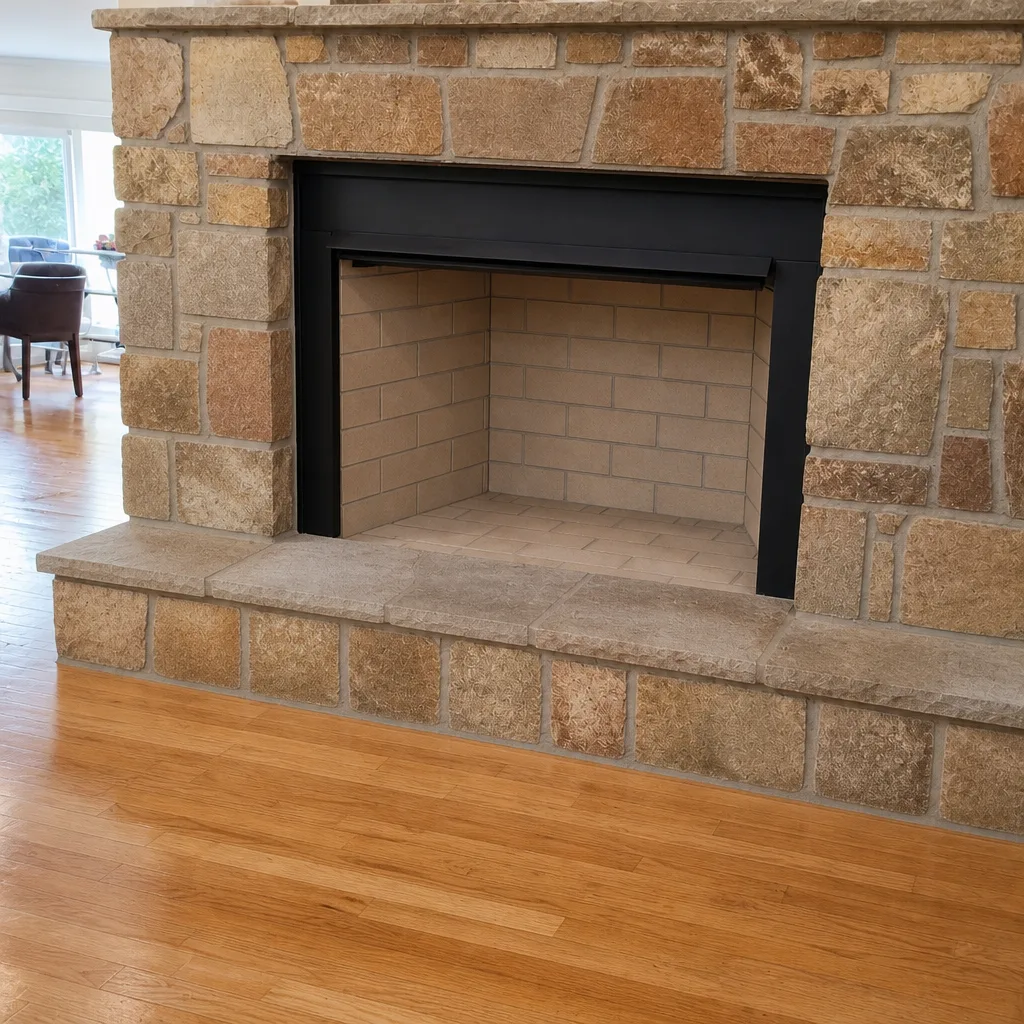
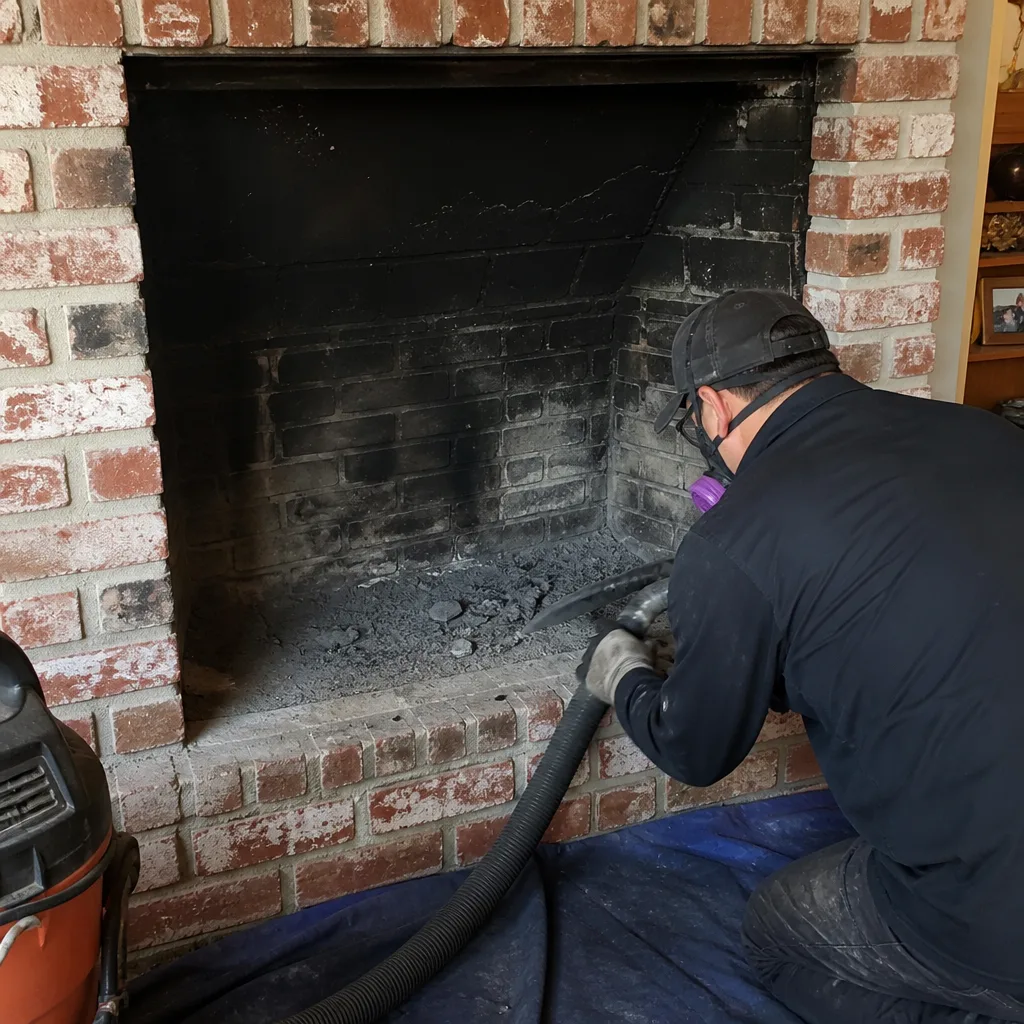
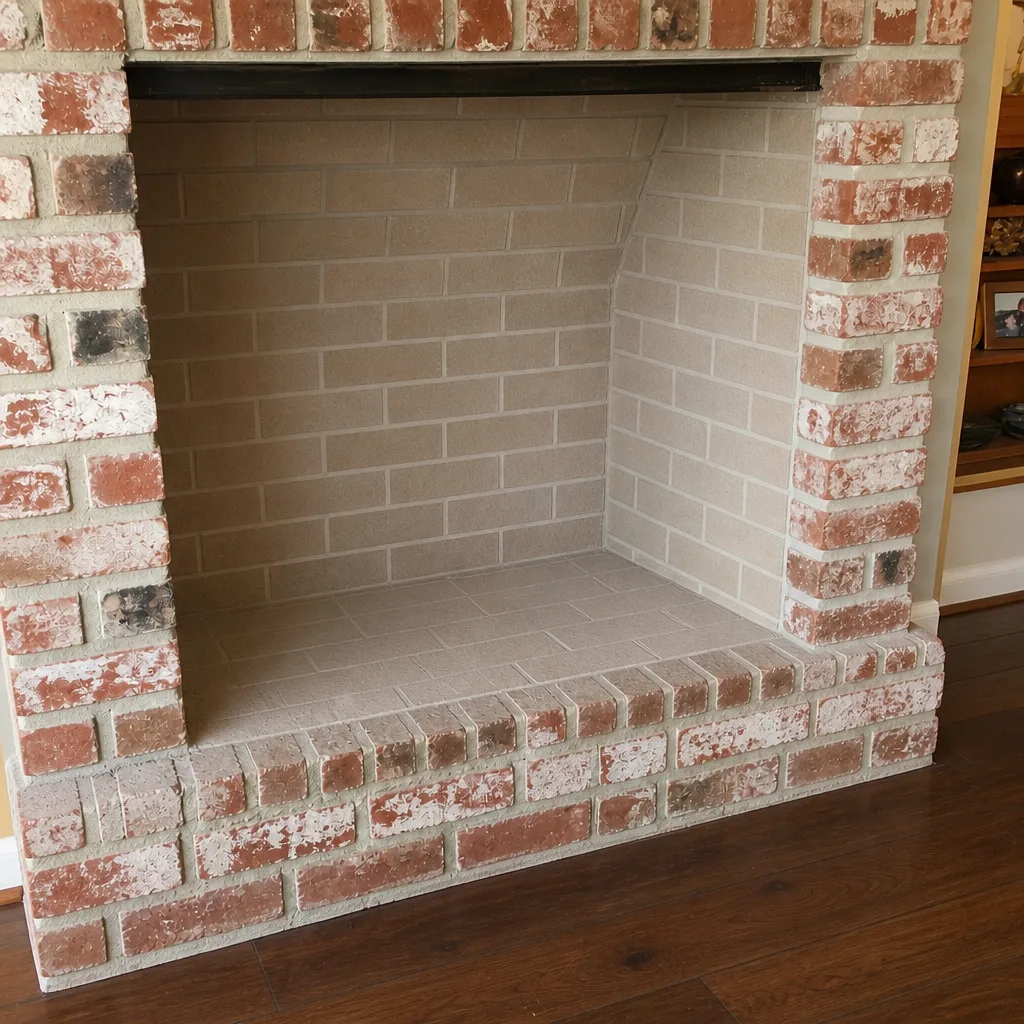
See the difference
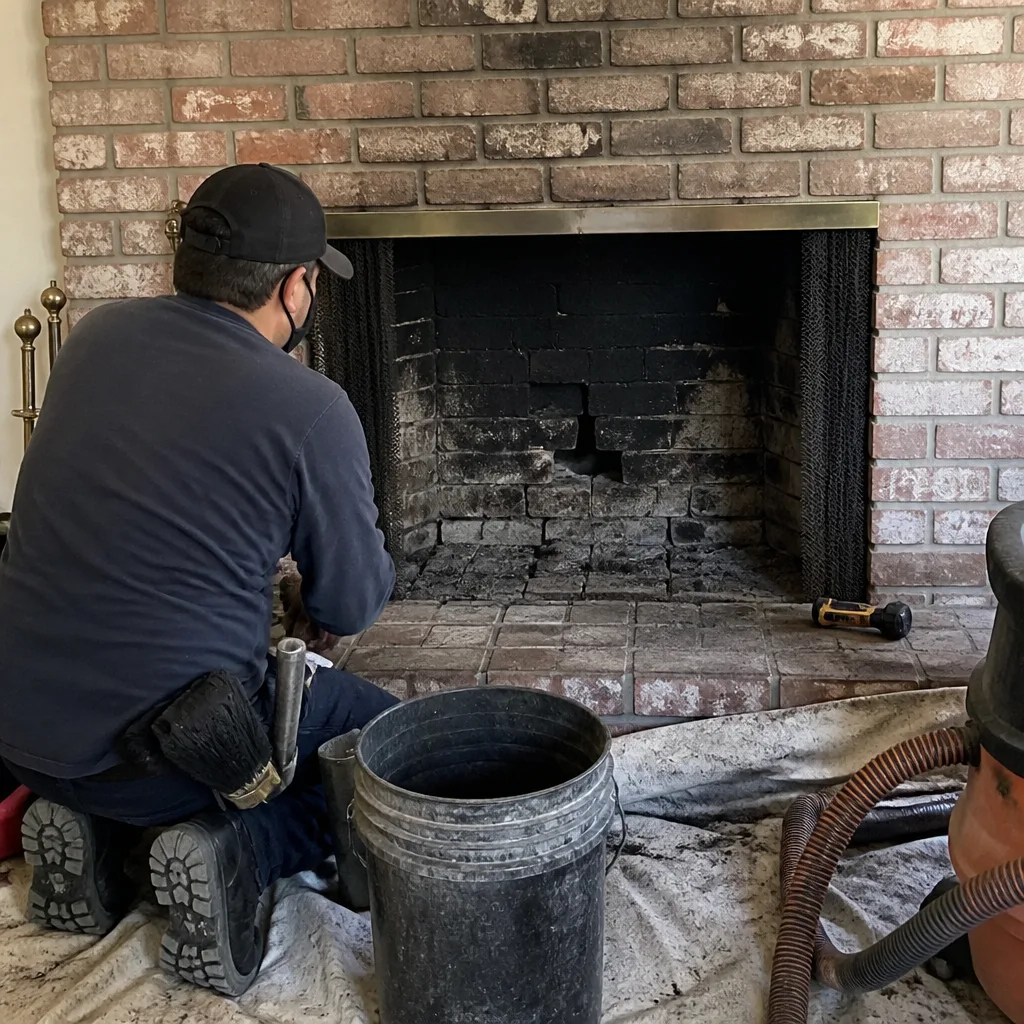 Before
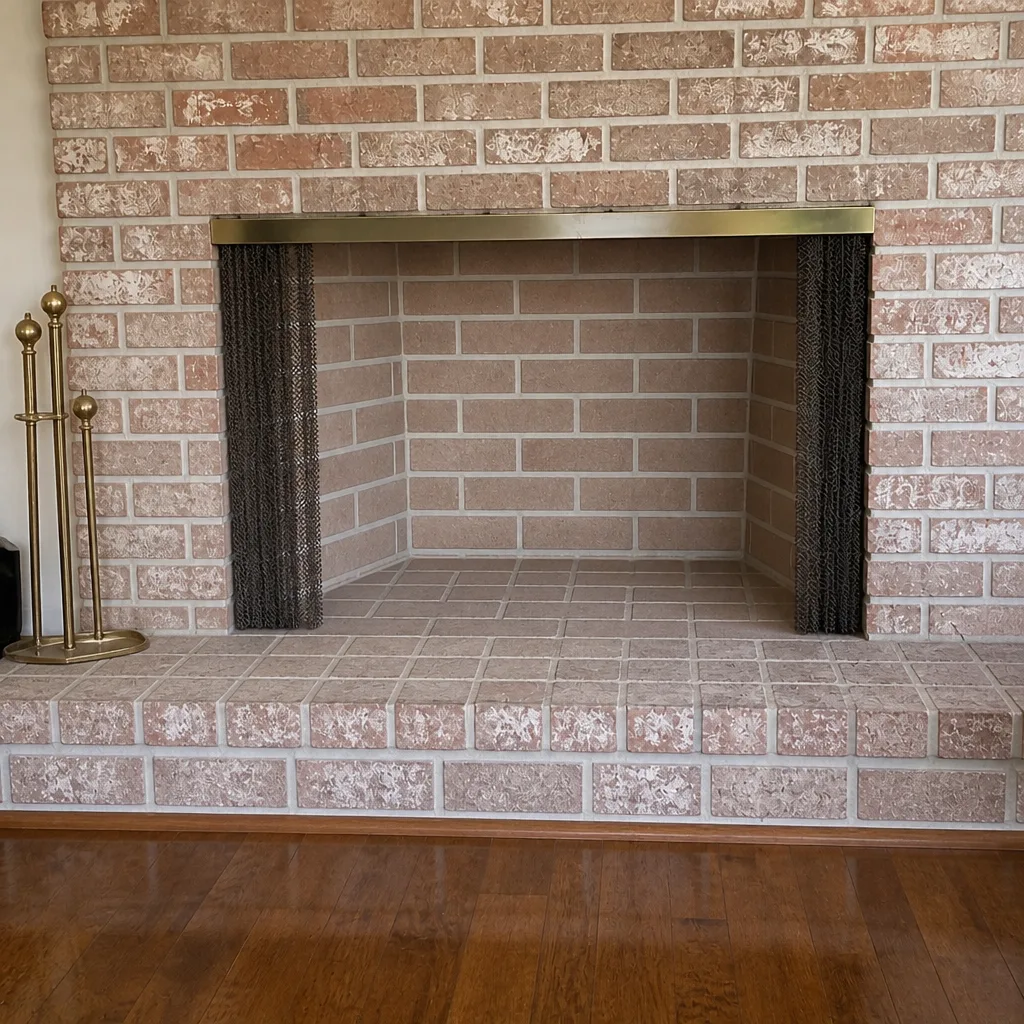 After
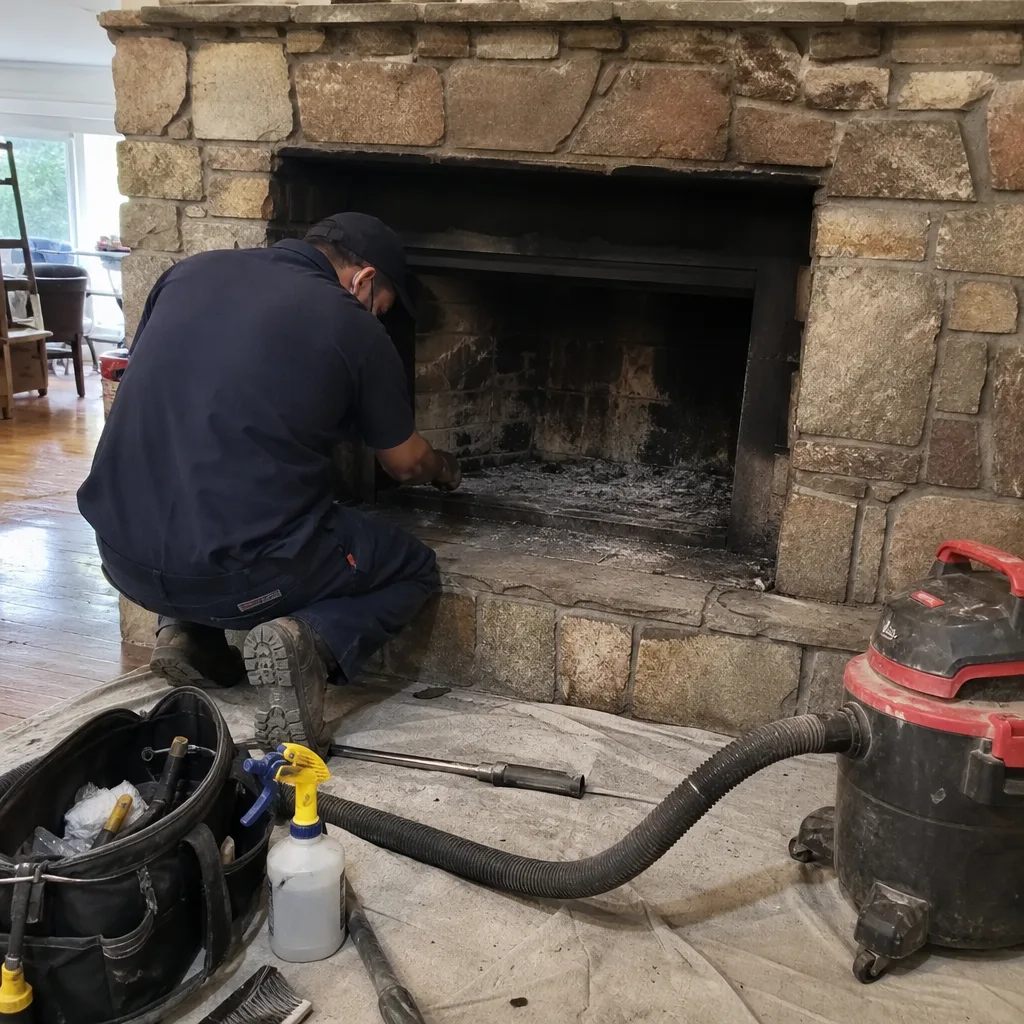 Before
 After
 Before
 After
When to Call a Professional
Call a chimney professional if you see smoke rolling back into the room, smell a strong campfire odor when the fireplace is not in use, hear animals in the chimney, notice water stains on the ceiling near the fireplace, or realize it has been more than two years since the last inspection. These are specific signals that something is wrong, not routine maintenance items. A blocked flue, a damaged liner, or a rusted chase cover will not improve on its own. Chimney Cleaning Fremont offers free estimates in Fremont. Call (844) 980-4364. We answer 24/7. Fast dispatch from 7am to 7pm, Sunday through Friday. If you need a chimney sweep or have a dryer vent cleaning concern, one call covers the full ventilation picture for your home. We repair what others only report, using professional-grade materials like DuraFlex and HeatShield when a liner needs restoration rather than replacement. Clean flues, safer homes.
Frequently Asked Questions
How much does a chimney sweep cost in Fremont?
A standard chimney sweep in Fremont costs $180 to $340 depending on roof access, flue height, and the type of deposits. Gas fireplace venting runs lower; heavy creosote or animal nest removal runs higher. Call (844) 980-4364 for a precise quote after a proper inspection.
Do I really need a new liner?
Not always. A camera inspection shows whether the liner has surface damage that can be resurfaced with HeatShield ceramic coating or full replacement with a DuraFlex flexible liner. Some cracks are repairable, some are not, and the only way to know is to see the inside of the flue on video. We walk every customer through the footage before recommending anything.
How often should a chimney be swept in Fremont?
Once a year if you burn wood more than a few times per season, and at least an inspection every year no matter how little you use the fireplace. Fremont’s mild, humid climate means low-use chimneys develop moisture and animal problems faster than soot problems.
What actually happens if I skip a chimney cleaning?
Best case, the fireplace smells musty and burns smoky. Worse case, a blocked flue pushes smoke and carbon monoxide into the house, or a nest ignites and becomes a chimney fire. A cracked liner that goes unnoticed can allow heat to reach framing. The risks increase with each skipped year.
Does BAAQMD require chimney cleaning in Fremont?
No, BAAQMD does not require sweeping, but Spare the Air rules prohibit wood burning on alert days. A clean chimney produces less smoke and burns more efficiently on the days you do use it, which matters for both air quality and your own safety.
Can I clean my own chimney?
You can buy a brush kit, but a hand brush cannot remove the hardened creosote glaze or compacted animal nests we see in Fremont chimneys. Working on a roof with a spinning cable also involves real fall risk. The cost of a professional sweep is small compared to the risk of a blocked flue or an incomplete job. Call (844) 980-4364 for a free estimate.
The Bottom Line
Fremont’s mild climate changes the way chimneys fail. Light use means less soot, but more moisture, more wildlife, and more hardened creosote in the deposits that do form. An annual inspection with a cleaning as needed is the minimum responsible standard. A proper sweep costs between $180 and $340, includes a Level 1 inspection, and gives you a clear answer about what the flue actually looks like. If the inspection finds damage, professional-grade materials from brands like HeatShield and DuraFlex mean repairs that restore the flue instead of patching over the problem. If it has been more than a year since anyone looked inside your chimney, call (844) 980-4364. We answer 24/7. Fast dispatch from 7am to 7pm, Sunday through Friday. Clean flues, safer homes in Fremont.
Written by the team at Chimney Cleaning Fremont, serving Fremont since 2011.