
Last updated November 4, 2026
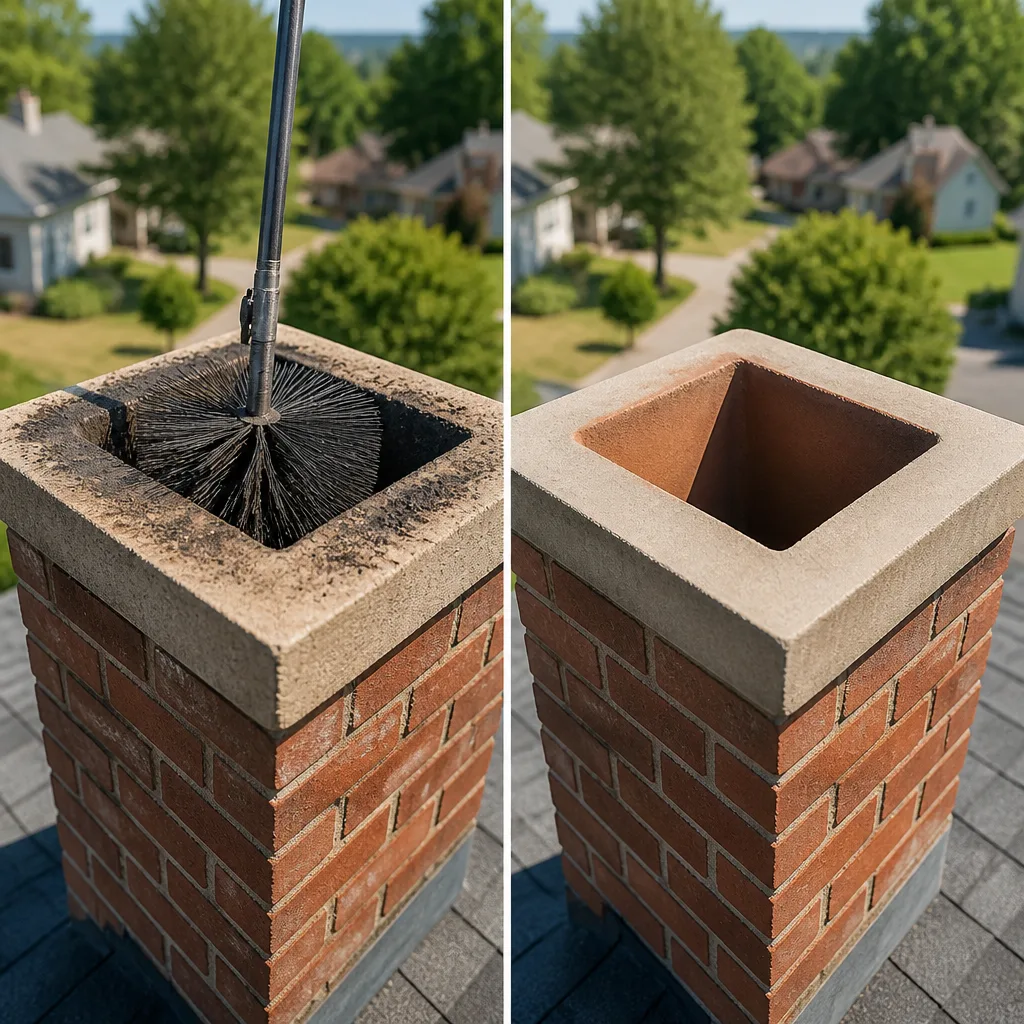 Sweep & inspection
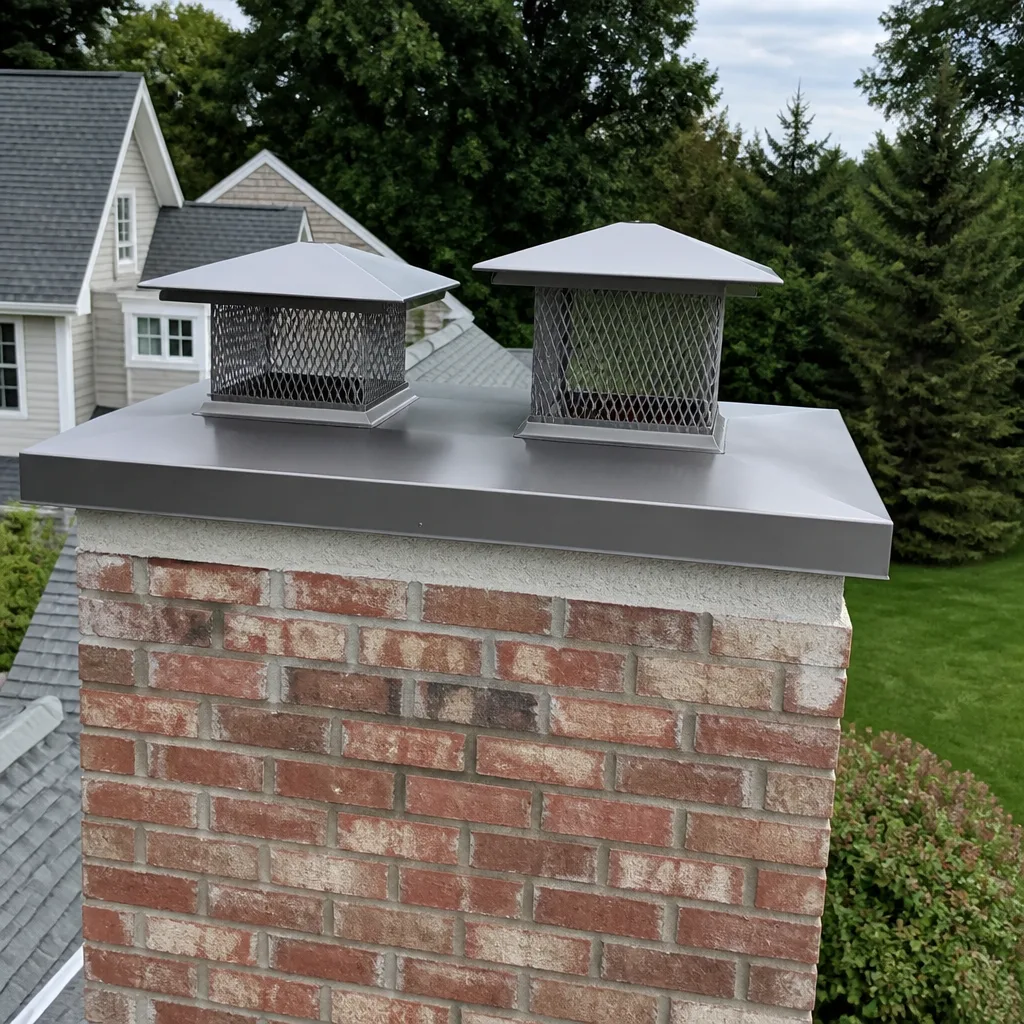 Caps & crowns
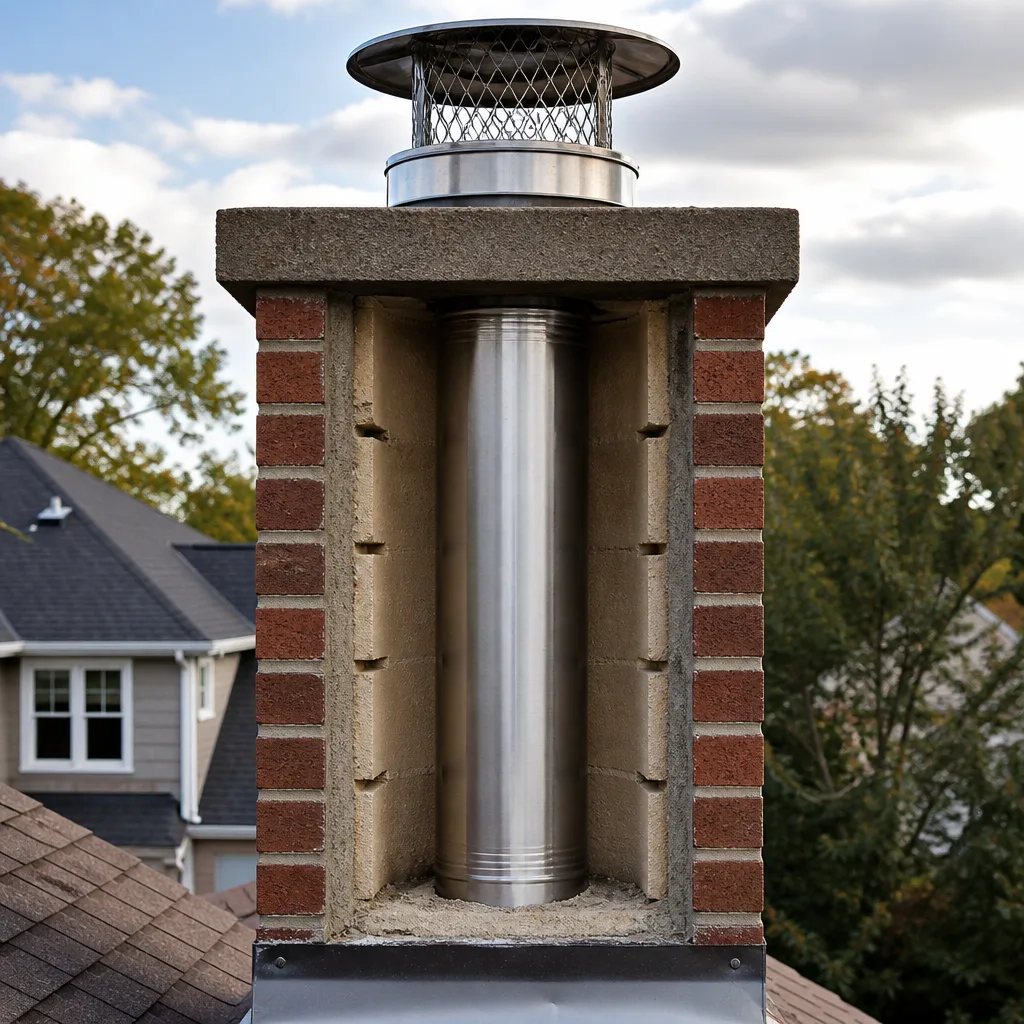 Flue relining
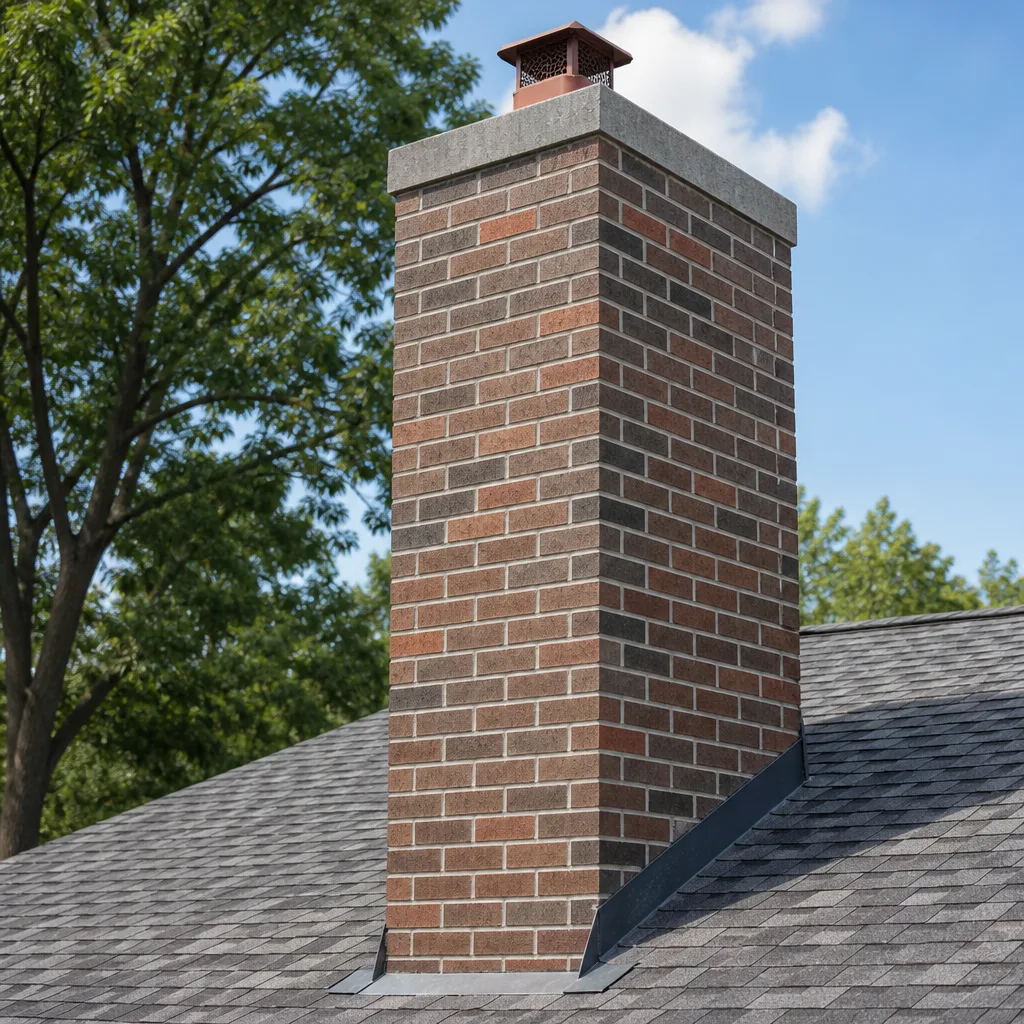 Masonry repair
 Gas fireplace service
Level 1 sweep and inspection to the NFPA 211 annual standard - flue, crown, cap, and flashing checked and photographed
Chimney sweep logs do not sweep chimneys. They loosen some creosote - which then falls where a brush and vacuum still have to collect it.
How to Hire a Chimney Cleaning Contractor in Fremont: A Step-by-Step Guide
Most homeowners in Fremont assume the hard part of chimney maintenance is remembering to book it. The actual hard part is figuring out whether the person who shows up actually knows what they’re looking at. A five-star Yelp rating does not tell you whether the technician has ever heard of NFPA 211, the national standard for chimney inspection and cleaning. And in California, there is no state license specifically for chimney sweeps. Anyone with a ladder and a brush can print business cards. This guide walks you through the vetting framework we use ourselves, so you can hire a chimney cleaning contractor in Fremont with confidence, not hope.
Styles & brands we work with
- Sweep & inspection
- Caps & crowns
- Flue relining
- Masonry repair
- Gas fireplace service
Quick Answer
To hire a chimney cleaning contractor in Fremont, verify their credential with the issuing organization directly, require a written inspection report with camera documentation, and get a line-item estimate that specifies the exact work scope. Ask whether they sweep only or also repair, because a sweep-only technician cannot fix a deteriorating liner they find. Chimney Cleaning Fremont has served Fremont since 2011 and offers free estimates at (844) 980-4364.
Table of Contents
- Why Credentials Matter More Than Reviews in Fremont
- Step 1: Verify Credentials on the Issuing Organization’s Database
- Step 2: Require a Camera Scan Before Any Quote
- Step 3: Demand a Written Inspection Report
- Step 4: Compare Quotes Line by Line
- Step 5: Ask the Right Questions About Tools and Materials
- Red Flags Specific to the Fremont Market
- Common Mistakes to Avoid
- When to Call a Professional
- Frequently Asked Questions
- The Bottom Line
Why Credentials Matter More Than Reviews in Fremont
Chimney sweeping is not a licensed trade in California. A general contractor’s license covers construction work, but sweeping and inspecting a flue falls outside that scope. This regulatory gap means the market fills with generalists. We have seen pressure-washing companies, gutter cleaners, and handyman services add chimney sweeping to their menu because the startup cost is a few hundred dollars in brushes. The homeowner pays for a cleaning and gets a visual once-over from someone who could not identify a spalled flue tile with a flashlight.
Credentials from a recognized chimney organization exist precisely because the state does not filter the market. A CSIA Certified Chimney Sweep has passed a proctored exam on fire codes, clearances, and inspection procedures. An NFI Woodburning Specialist or NFI Gas Specialist certification covers fuel-specific venting systems. These credentials are not permanent. They require continuing education and renewal. A technician who holds one has invested in the trade, not just the marketing. That distinction matters in Fremont, where homes range from 1960s ranches with masonry chimneys to newer construction with factory-built pipe, and each system has different failure patterns.
Reviews cannot verify this. A review tells you the technician was polite and the living room did not smell like smoke afterward. It does not tell you the technician measured clearances, checked the spark arrestor, or documented the liner condition. Those are the findings that matter when a chimney fire starts or a home inspection flags a defect.
Step 1: Verify Credentials on the Issuing Organization’s Database
Never accept a credential as stated. Ask the contractor for their full name as it appears on their certification, then verify it yourself. The CSIA maintains a public directory of certified sweeps. The NFI does the same for its specialists. A legitimate technician will give you their certification number without hesitation. A contractor who hedges, says “my guy is trained,” or changes the subject should be crossed off your list.
- Ask for the technician’s full name and certification body. Write it down. Do not accept a company name alone. The certified individual is the point.
- Visit the organization’s website and search the directory. CSIA and NFI both have lookup tools. Enter the name. Confirm the credential is current, not lapsed.
- Confirm the credential matches the scope of work. A CSIA certification covers inspection and cleaning. An NFI Gas Specialist covers gas venting. A wood-burning fireplace needs someone fluent in solid-fuel systems. Ask which exam they passed.
- Check for repair-specific training. Cleaning is one skill set. Repairing a liner is another. Ask whether the technician has manufacturer training for the systems they install. At Chimney Cleaning Fremont, our work with DuraFlex liner systems and HeatShield ceramic resurfacing means the technician evaluating your flue is also the one qualified to restore it, not just flag it.
This step takes ten minutes. It filters out most of the unqualified operators in the Fremont market before they ever set foot in your home.
Step 2: Require a Camera Scan Before Any Quote
A quote given before an inspection is a guess. Chimney geometry varies. A 30-foot masonry flue in a Mission San Jose two-story behaves differently than a 15-foot factory-built pipe in a Northgate rancher. Two flues can look identical from the roof and have wildly different internal conditions. Anyone who prices a sweep over the phone without seeing the system is pricing a commodity, not a condition.
Insist on a video scan as part of the inspection. A camera attached to a flexible rod shows the flue interior in real time. It documents creosote stage, mortar joint condition, tile spalling, and animal nesting. It also protects you. If a contractor recommends a $4,000 liner replacement, the video is the evidence. You should see the crack, the gap, the deteriorated section. No camera footage, no reason to believe the diagnosis.
We use video equipment on every chimney sweep we perform in Fremont. The footage goes into the written report. When we tell a homeowner their flue is safe to burn, we can show them why. When we tell them it is not, we can show them exactly what we saw. That is the difference between a professional recommendation and a sales pitch.
Beware the contractor who schedules a cleaning and quotes a price before arriving. A legitimate specialist prices the sweep after seeing the system. The estimate should come at the appointment, not before it.
Step 3: Demand a Written Inspection Report
A verbal “looks good” is not a defensible record. If you sell your home, the buyer’s inspector will ask about the chimney. If you file an insurance claim after a chimney fire, the adjuster will want documentation of maintenance. If a contractor misses a defect and something fails, your only recourse is what is written down. In Fremont’s resale market, where buyers are meticulous and inspection contingencies are standard, a paper trail matters.
A proper written report should include:
- Date of service and technician name. Not just the company. The individual who performed the work.
- System type and general condition. Masonry or factory-built. Liner material. Appliance served.
- Creosote level observed. Rate it on the standard scale. Note whether it is first-stage, second-stage, or third-stage glaze.
- Defects or deficiencies found. Cracks, gaps, spalling, water entry, missing mortar, rusted damper parts. Each one with a photo.
- Clearance measurements. Distances from the flue to combustible materials. The code minimums exist for a reason.
- Recommendations, separated by urgency. What needs work now, what can wait a year, what is in good shape.
- Photos or video references. The camera footage should be embedded or referenced by frame. You should be able to see what the technician saw.
We have talked to sellers who avoided a post-inspection renegotiation because they had a folder of dated reports showing regular maintenance. The reports answered the buyer’s questions before they became objections. That kind of record only exists if you insist on it from day one.
Ask before booking: “Will I receive a written report with photos?” If the answer is anything other than yes, call someone else in Fremont.
Step 4: Compare Quotes Line by Line
The most common hiring mistake in Fremont is comparing quotes that are not actually for the same work. One contractor quotes $189 for a sweep and inspection. Another quotes $340 for a Level 2 inspection with video documentation, a sweep, and a written report. On paper, the first one looks cheaper. In practice, the second one is the real service and the first is a brush through the flue and a handshake.
Demand line items. Every legitimate estimate should break out:
- The inspection level. Level 1 is a visual check of accessible areas. Level 2 includes video scanning and is required when the home is changing hands or the system has changed. Level 3 involves removing components to access concealed areas. Know which one you are paying for.
- The sweep itself. Manual brush, rotary cleaning, or both. A rotary system with poly lines handles third-stage creosote that a wire brush cannot remove.
- Any repairs, separately priced. A cracked crown, a missing cap, a deteriorated liner. Each as its own line with its own price.
- Material brands by name. If they are repairing, what are they using? Generic caulk and mortar mix are not the same as the professional-grade materials we use: DuraFlex for relining, HeatShield for ceramic resurfacing, Famco caps and dampers, Copperfield chimney products.
- Timeframe and crew size. A one-hour sweep is different from a two-hour sweep with inspection and documentation. Know what you are buying.
When scopes differ, do not compare bottom lines. Compare line items. A higher quote that includes a video inspection and written report is often the honest price for the actual service. A lower quote that omits those is a smaller number for less work.
Step 5: Ask the Right Questions About Tools and Materials
The tools a contractor brings tell you more than their website copy. Ask these questions before booking:
- “Do you use a rotary cleaning system or just wire brushes?” A rotary system spins whip lines at speed to knock down glaze-stage creosote. It is the difference between cleaning the flue and just loosening the top layer. For a heavily used fireplace in a Fremont home burning oak and almond, rotary power matters.
- “Will the inspection include video?” As covered above. No video, no verifiable diagnosis. This is non-negotiable for a defensible report.
- “What sealant and patch materials do you use?” The answer should be a brand name, not “commercial grade” or “what the supply house had.” We use Gelco and Copperfield products because they are engineered for the temperatures and conditions inside a flue. Hardware-store caulk fails. It is not rated for this application.
- “Do you repair chimneys or only clean them?” This is the question that separates specialists from sweep-only operators in Fremont. A technician who cannot repair will flag a problem and leave. You then need a second contractor, a second appointment, and a second fee. A specialist can diagnose and fix in the same visit. We carry DuraFlex liner systems and FireGuard by HeatShield so most repairs are handled after the sweep, not three weeks later by a different company.
- “What is your process when you find a defect?” The answer should be: document it, show you the footage, explain the options, and quote a repair. A good technician does not scare you into immediate work. They show you the evidence and let you decide with full information.
Take notes on the answers. A contractor who bristles at these questions is telling you something useful. A professional answers them because they are the questions they ask themselves on every job.
Red Flags Specific to the Fremont Market
Fremont’s housing stock spans seven decades of construction methods, from the post-war subdivisions north of 880 to the hillside homes in the Warm Springs district. Each era has its own venting conventions, and a contractor who treats them all the same is not paying attention. Here are the warning signs we hear about from homeowners who call us after a bad experience:
- The quote comes before the inspection. As covered above. A price given over the phone with no system information is a placeholder, not an estimate. The real number comes after they see the chimney, and it is never lower.
- No camera on the truck. If the technician arrives with a brush, a shop vacuum, and nothing else, they are doing a 1980s chimney sweep, not a modern inspection. You will not get documentation. You will not get a defensible record. You will get a clean flue and a warranty you cannot enforce.
- Same-day service with no written report. Same-day is not the problem. We offer same-day dispatch from 7am to 7pm, Sunday through Friday. The problem is same-day with a verbal summary and a receipt that says “chimney cleaned.” No report, no photos, no record. That is not a service, it is a transaction.
- The technician cannot name the liner material. Clay tile liners fail differently than stainless steel liners. Factory-built pipe has its own issues. If the person examining your flue cannot tell you what they are looking at, they should not be charging you for the assessment.
- They push a liner replacement without showing footage. This is the one to watch. A liner replacement is a legitimate and often necessary repair, especially in older Fremont homes. But it is also the highest-ticket item in this trade, and unscrupulous operators know it. No video showing the actual defect, no reason to approve the work. At Chimney Cleaning Fremont, we will not recommend a liner without camera evidence you can see on the spot. When the footage shows a compromised flue, we can reline it with DuraFlex, a flexible stainless system that installs without demolition. That is a real repair with a real brand behind it. What it is not is a guess dressed up as urgency.
Any one of these is a reason to keep looking. Two or more is a pattern. Trust the pattern, not the pitch.
Common Mistakes to Avoid
- Hiring on price alone. A $99 sweep in Fremont is almost always a loss leader. The company makes its money on repair upsells they find, or did not actually find, once they are in the house. The cheapest sweep is the most expensive inspection because you will pay for it later, either in repair work or in a missed defect.
- Skipping the credential check. “Certified” is a word, not a fact, until you verify it. Ten minutes on the issuing organization’s website saves you from a technician who learned the trade from a YouTube video. In a state with no chimney-specific license, this is your only real filter.
- Accepting a verbal report. “Looks fine to me” is not a maintenance record. When the home inspector asks, when the insurance adjuster asks, when the buyer asks, your answer cannot be “the guy said it was okay.” Written reports exist because professional work is documented work.
- Comparing quotes for different scopes. A sweep-only quote is not cheaper than a sweep-plus-inspection quote. It is a smaller number for less service. Put the quotes side by side and compare the line items, not the totals.
- Ignoring the dryer vent. Most homeowners think of chimney maintenance and stop there. But a clogged dryer vent is one of the leading causes of residential fires, and it is a venting system just like a chimney. We treat dryer vent cleaning as a core service in Fremont, not an add-on. Your home’s ventilation safety picture includes every exhaust path, not just the fireplace.
- Waiting for a problem to appear. Chimneys do not send warning emails. By the time you see smoke backing into the room or smell something odd, the system has already been failing for a while. Annual inspection catches the problem when it is a $300 fix, not a $3,000 one.
When to Call a Professional
Call if you have not had the chimney inspected in over a year and you use the fireplace regularly during Fremont’s winter months. Mild weather does not eliminate creosote risk. It just means the fireplace might sit dormant longer between uses, and dormant systems collect moisture, dust, and sometimes animals. Call if you just bought the home and have no maintenance records from the previous owner. Call if you see staining on the ceiling near the chimney, hear dripping in the flue, or smell a campfire odor when the fireplace is not lit. Call if your dryer takes two cycles to dry a load and the lint trap is clean. Chimney Cleaning Fremont offers free estimates in Fremont – call (844) 980-4364. We answer 24/7. Fast dispatch from 7am to 7pm, Sunday through Friday.
Frequently Asked Questions
Visit the Chimney Safety Institute of America’s website and use their public directory search tool to enter the technician’s full name. The directory shows current certification status, not just past credentials. If the name does not appear, the certification is either lapsed or was never issued. Ask the contractor for their name and certification number before booking, then verify it yourself. Do not rely on a logo on a website.
A defensible chimney inspection report includes the date, technician name, system type, creosote level, defects found with photo references, clearance measurements, and recommendations separated by urgency. It should not be a verbal summary or a receipt. If the contractor cannot provide a written report with visual documentation, treat the inspection as unverifiable and find a specialist in Fremont who does it properly.
A basic sweep and Level 1 inspection in Fremont typically runs $180 to $300, while a Level 2 inspection with video documentation adds $100 to $200 more. Repairs are quoted separately after the inspection shows what is actually needed. The estimate is free, and the written estimate sets the final price per job. Call (844) 980-4364 for an exact quote – we answer 24/7 and dispatch from 7am to 7pm, Sunday through Friday.
For most Fremont homes, a visual check is not enough. The flue interior is not visible from the firebox or the roof without video equipment. A camera scan documents creosote stage, joint condition, and liner integrity in a way a flashlight cannot. Without footage, a contractor’s diagnosis is opinion. With footage, it is evidence. Camera inspection is standard for a Level 2 and should be part of any thorough cleaning, not an upsell.
Many chimney defects can be repaired without demolition. Deteriorated flue liners can be relined with a flexible stainless system like DuraFlex, which installs inside the existing flue without tearing out masonry. HeatShield ceramic resurfacing restores cracked clay tile liners by coating the interior surface. A chimney specialist who performs repairs, not just sweeps, can evaluate whether your system qualifies for these non-demolition solutions and quote accordingly.
The general rule is an annual inspection, with a sweep performed whenever creosote reaches a stage that warrants removal. Homes that burn wood heavily during Fremont’s winter months may need a sweep every cord or two of wood. Homes that rarely use the fireplace still need the yearly inspection because moisture, debris, and animals can create problems even in an idle chimney. If it has been over a year, book the inspection and let the written report guide the next step.
The Bottom Line
Hiring the right chimney cleaning contractor in Fremont comes down to verification, documentation, and scope. Verify the credential with the issuing organization. Require a camera scan and a written report you can keep. Compare quotes by line item, not bottom line. Ask about tools and materials, and expect brand names, not vague assurances. A real Chimney Cleaning Fremont specialist answers these questions without hesitation because the profession has standards and the standards are knowable. The contractor who cannot meet them is not cheaper; they are just unqualified with a lower price. Safety is the point. The paperwork is the proof.
Written by the team at Chimney Cleaning Fremont, serving Fremont since 2011.
See the difference
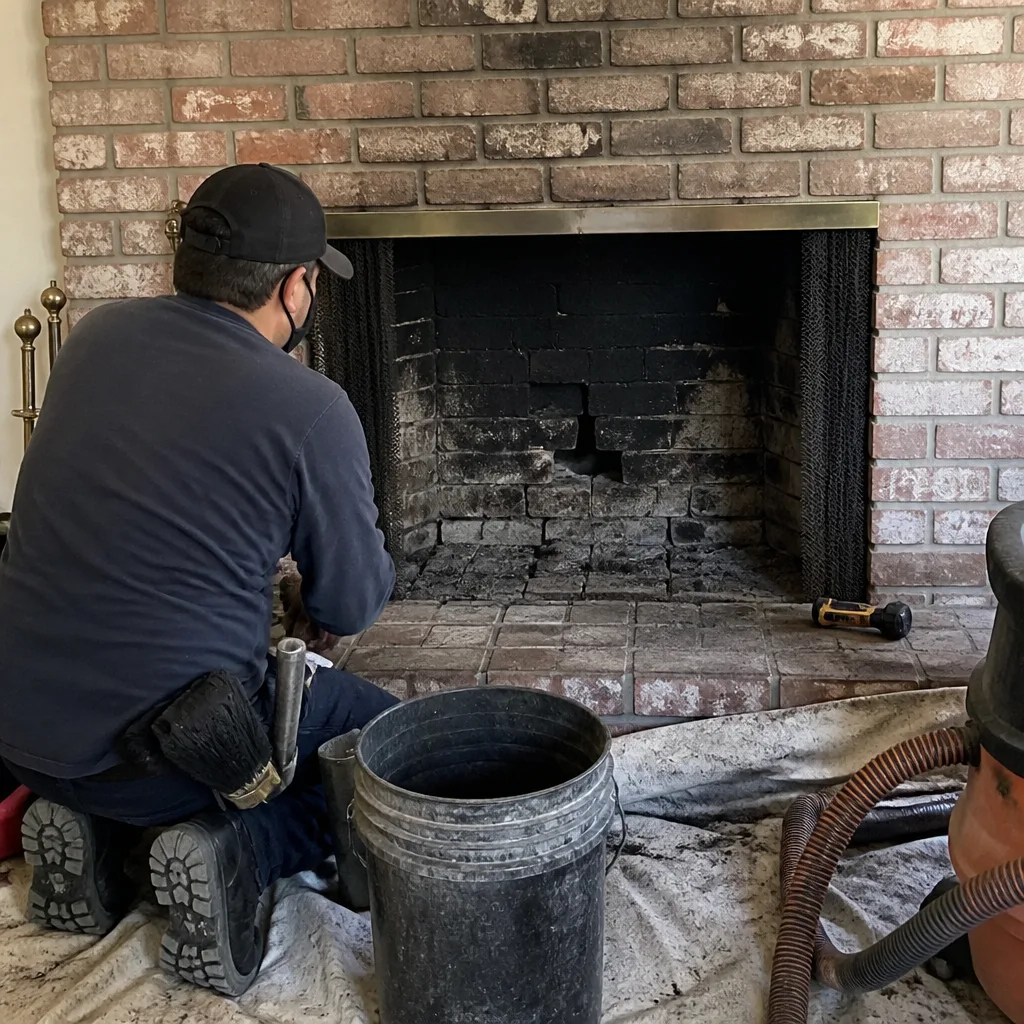 Before
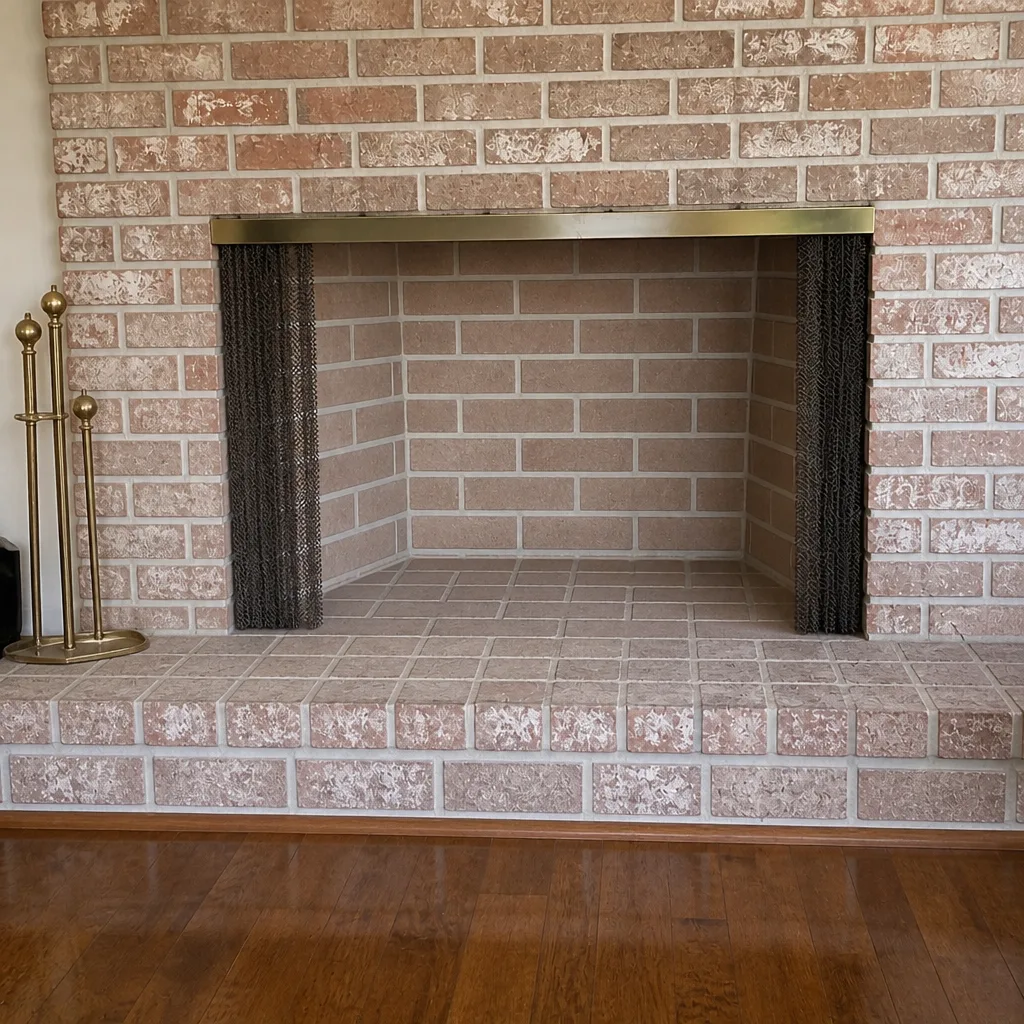 After
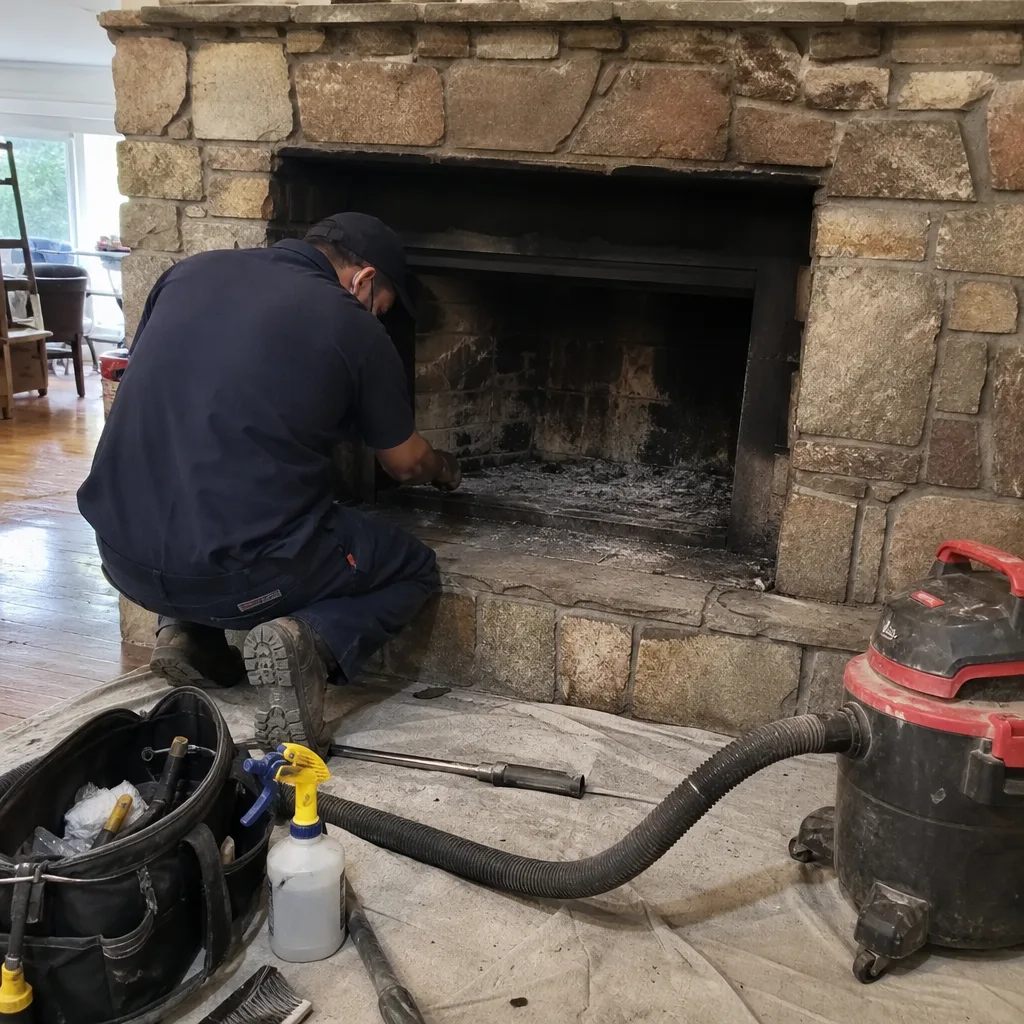 Before
 After
 Before
 After